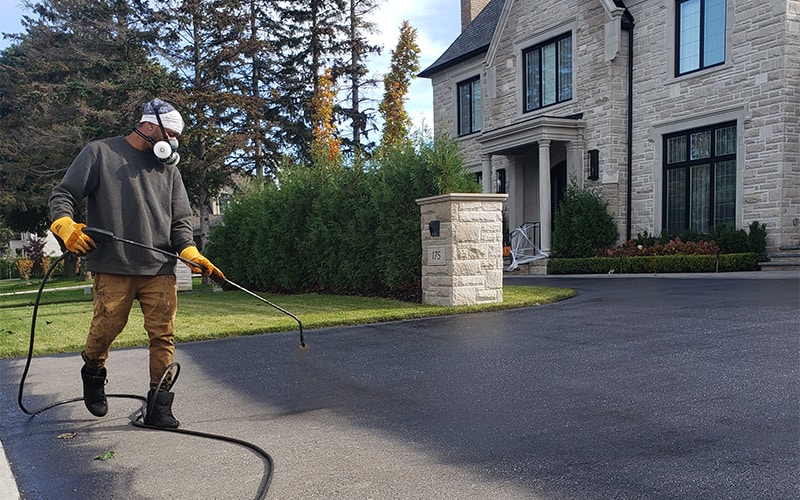
Parking lot repairs become expensive when they are unplanned. A structured budget built on a professional condition assessment, prioritized repair list, and scheduled maintenance cycle gives property managers control over costs and keeps pavement safe and functional year-round.
Why Budgeting for Pavement Repairs Matters
Deferred maintenance is one of the most common causes of premature pavement failure. Small cracks that cost a few hundred dollars to seal today can grow into structural failures costing tens of thousands in full-depth reconstruction. A proactive repair budget converts predictable deterioration into planned expenditure rather than emergency spend that disrupts operations and strains capital budgets.
Property managers who maintain structured pavement budgets consistently report lower total maintenance costs over a pavement’s lifecycle. Pavement condition also affects property value, tenant retention, and liability exposure, making it a material operational concern beyond the surface itself.
Step 1: Start with a Professional Condition Assessment
No budget is credible without accurate data on what actually needs to be fixed. A professional condition assessment gives you a documented baseline covering crack types and severity, drainage performance, surface oxidation, pothole locations, and line marking condition.The Pavement Condition Index (PCI) is the standardized rating system used across North American infrastructure management, scoring pavement from 0 (failed) to 100 (excellent). A PCI rating gives you an objective starting point for prioritizing parking lot repairs and allocating budget by urgency. Seal Canada conducts site assessments for commercial properties across Ontario at no charge.
Step 2: Prioritize Repairs by Safety and Progression Rate
After the assessment, rank repairs by two variables: safety risk and damage progression rate. Not every defect carries the same urgency.
- Safety-critical first: potholes, trip hazards at pedestrian crossings, and failed accessible parking surfaces that create immediate liability.
- High-progression second: active cracks wider than 6mm that will worsen through freeze-thaw cycles without intervention. Early
- Preventive treatments third: sealcoating and line repainting on surfaces that are structurally sound but need protection.
Separating safety-critical from preventive work allows you to phase spending intelligently rather than trying to address every issue in a single budget cycle.
Step 3: Estimate Repair Costs by Work Type
Commercial pavement repair costs in Ontario vary by repair type, surface area, site access, and material pricing at the time of work. Use these ranges for initial planning:
- Crack sealing: $0.50 to $2.00 per linear foot depending on crack width and preparation depth.
- Sealcoating: $0.08 to $0.20 per square foot for a commercial lot in sound condition.
- Pothole patching: $150 to $400 per location using infrared or cut-and-patch methods.
- Asphalt overlay (resurfacing): $2.00 to $5.00 per square foot depending on overlay depth and site conditions.
These figures are planning estimates only. Final costs depend on site-specific scope, quantities, and contractor rates. Getting three written quotes from qualified contractors before finalizing your budget is the most reliable way to produce accurate cost projections.For lots that have deteriorated beyond the point where surface treatments are effective, asphalt resurfacing is a cost-effective rehabilitation option that restores performance without full-depth reconstruction.
Step 4: Build a Realistic Budget with a Contingency Reserve
Commercial pavement budgets should include a 10 to 15 percent contingency reserve. Subgrade conditions revealed during patch work, drainage issues discovered mid-project, and weather-related delays can all affect final scope and cost. A contingency reserve absorbs these without requiring emergency budget approvals.
For multi-year capital planning, structure your pavement budget in three tiers:
- Annual operating budget: crack sealing, line repainting, and minor patching.
- Three to five year capital budget: sealcoating cycles and major patching programs.
- Ten to fifteen year replacement reserve: resurfacing or reconstruction for lots approaching end of service life.
This tiered approach prevents large capital events from appearing as surprises in year ten because they were never planned for.
Step 5: Explore Financing and Phased Repair Options
Large-scale pavement rehabilitation projects are candidates for phased execution or financing rather than single-year capital expenditure. Staged repair programs, where work is broken into defined annual phases, allow property budgets to absorb major investments over two to three years without hitting a single-year capital ceiling.
Commercial banking institutions in Ontario offer capital improvement loans for property upgrades including parking lot repairs. Some municipal programs also provide incentives for commercial property improvements that affect public access and safety. Consult your financial advisor and local municipality for current program availability.Seal Canada structures phased maintenance programs for commercial property managers across Ontario, aligning repair sequencing with annual budget cycles.
Effective Long-Term Budgeting Strategies
Schedule Preventive Maintenance on a Fixed Cycle
The most cost-effective pavement budget is a preventive maintenance schedule. Sealcoating every three to five years and crack sealing every two to three years consistently deliver better lifecycle economics than deferring treatment until major repairs become unavoidable. Preventive maintenance intervals should be based on actual condition, not a fixed calendar, which is why annual condition inspections are valuable.Understanding the financial case for preventive treatment is straightforward: the benefits of sealcoating at the right time cost far less than corrective repairs after oxidation and water infiltration have done structural damage.
Manage Drainage Proactively
Water infiltration through cracks is the leading driver of accelerated asphalt deterioration in Ontario’s climate. Keeping catch basins clear, maintaining proper surface grades, and correcting low spots as part of your repair program dramatically slows the deterioration rate and reduces future parking lot repair costs.
Time Repairs for Maximum Value
Ontario’s commercial paving season runs from late April through October, with peak conditions from May through September. Scheduling non-emergency repairs during mid-season avoids the premium pricing of early spring and late fall demand spikes. Off-peak scheduling also improves contractor availability and material delivery times.
The Transportation Association of Canada publishes pavement management frameworks used by municipalities and property managers across the country. The National Research Council of Canada also maintains construction quality guidance relevant to commercial property infrastructure. For Ontario-specific standards, the Ministry of Transportation sets pavement design requirements referenced by contractors province-wide.
Building a Maintenance Plan That Works Year After Year
A one-time repair budget solves today’s problems. A recurring maintenance plan protects your pavement investment for its full service life. The most effective plans combine an annual condition inspection, a documented repair priority list updated each year, a defined sealcoating and crack sealing schedule, and a line marking assessment tied to each sealcoating cycle.Property managers who treat pavement as a managed asset rather than a periodic emergency consistently achieve longer service lives and lower total costs. Seal Canada works with commercial clients across Ontario to build and execute multi-year pavement maintenance programs. For larger properties with complex maintenance needs, understanding how sealcoating extends asphalt life is an important foundation for building a credible long-term plan.
Frequently Asked Questions
1. How often should a commercial parking lot be inspected?
An annual condition inspection is the standard recommendation for commercial parking lots. Inspections after severe winter seasons or following incidents involving heavy vehicle loads are also worthwhile. Regular inspections allow early identification of developing issues before they progress to expensive structural repairs.
2. What is the most cost-effective parking lot repair investment?
Crack sealing consistently delivers the highest return on maintenance investment. Treating active cracks before water infiltration reaches the subbase prevents structural failures that cost ten to fifty times more per square foot than the original crack treatment.
3. Can parking lot repairs be phased over multiple budget years?
Yes. Phased repair programs divide work into annual stages based on condition priority, allowing property budgets to absorb major investments over two to three years. Seal Canada structures phased programs for commercial clients regularly and can develop a multi-year repair sequence for your property.
4. What does a professional parking lot condition assessment include?
A professional assessment maps existing distress conditions including cracking, potholes, drainage issues, surface oxidation, and line marking condition, and produces a prioritized repair list with cost estimates suitable for budget planning.
5. How do I get accurate repair cost estimates for my parking lot?
Request written proposals from three qualified commercial paving contractors based on a clearly defined scope of work from your condition assessment. Written proposals that specify materials, quantities, and timelines give you the data needed to build an accurate budget.
6. What should I include in a parking lot contingency reserve?
A 10 to 15 percent contingency on top of estimated repair costs covers scope changes from unexpected subgrade conditions, drainage issues discovered mid-project, material price fluctuations, and weather-related delays.
7. How does drainage affect parking lot repair costs?
Poor drainage accelerates asphalt deterioration by allowing water to infiltrate through cracks and erode the subbase. Properties with drainage issues spend significantly more on repair cycles. Addressing drainage as part of a repair program reduces the frequency and cost of future parking lot repairs.
Take the Next Step for Your Parking Lot
A well-budgeted maintenance plan starts with understanding what your parking lot actually needs. Seal Canada provides free site assessments for commercial properties across Ontario, producing the condition data and repair prioritization you need to build an accurate, defensible maintenance budget. Our team works with property managers, asset managers, and facility directors to build phased programs that protect pavement assets without budget surprises.
We also handle the full scope of parking lot repairs once priorities are set: from crack sealing and asphalt sealcoating to resurfacing and line marking programs.
Key Takeaways
- A professional condition assessment is the foundation of any credible parking lot repair budget. Start there before estimating costs or allocating funds.
- Prioritize repairs by safety risk and damage progression rate, not by cosmetic appearance or convenience.
- Include a 10 to 15 percent contingency reserve to absorb scope changes, unexpected subgrade conditions, and weather-related delays.
- Preventive maintenance on a fixed cycle delivers lower total lifecycle costs than reactive repair. Crack sealing and sealcoating at the right intervals are the highest-return investments.
- Phased repair programs allow major pavement investments to be distributed across budget years without hitting a single-year capital ceiling.
- Drainage management is not optional. Addressing water infiltration and pooling as part of your repair plan reduces the frequency and cost of future parking lot repairs.
- Ontario’s optimal paving season runs from May through September. Scheduling repairs during this window improves contractor availability and reduces premium pricing.