Line striping is the painted layout of stalls, drive lanes, arrows, crosswalks, fire routes and accessible parking on a lot. Clear markings guide drivers, protect pedestrians, make the most of available space and help properties meet AODA and fire route requirements. On most commercial lots, line striping should be refreshed every one to two years, after new asphalt paving, and after every sealcoat, so markings stay visible and parking lot safety does not slip.
Parking lots are where drivers and pedestrians share the same space, often in a hurry and sometimes in poor weather. Without clear markings, that space quickly becomes confusing and unsafe. For property managers, facility managers and commercial owners, line striping is one of the simplest and most affordable ways to improve parking lot safety. This guide explains what striping does, what a professional job involves, how it fits with asphalt paving and maintenance, and how Seal Canada’s line painting services keep your lot safe and organized.
What Is Line Striping and Why Does It Matter?
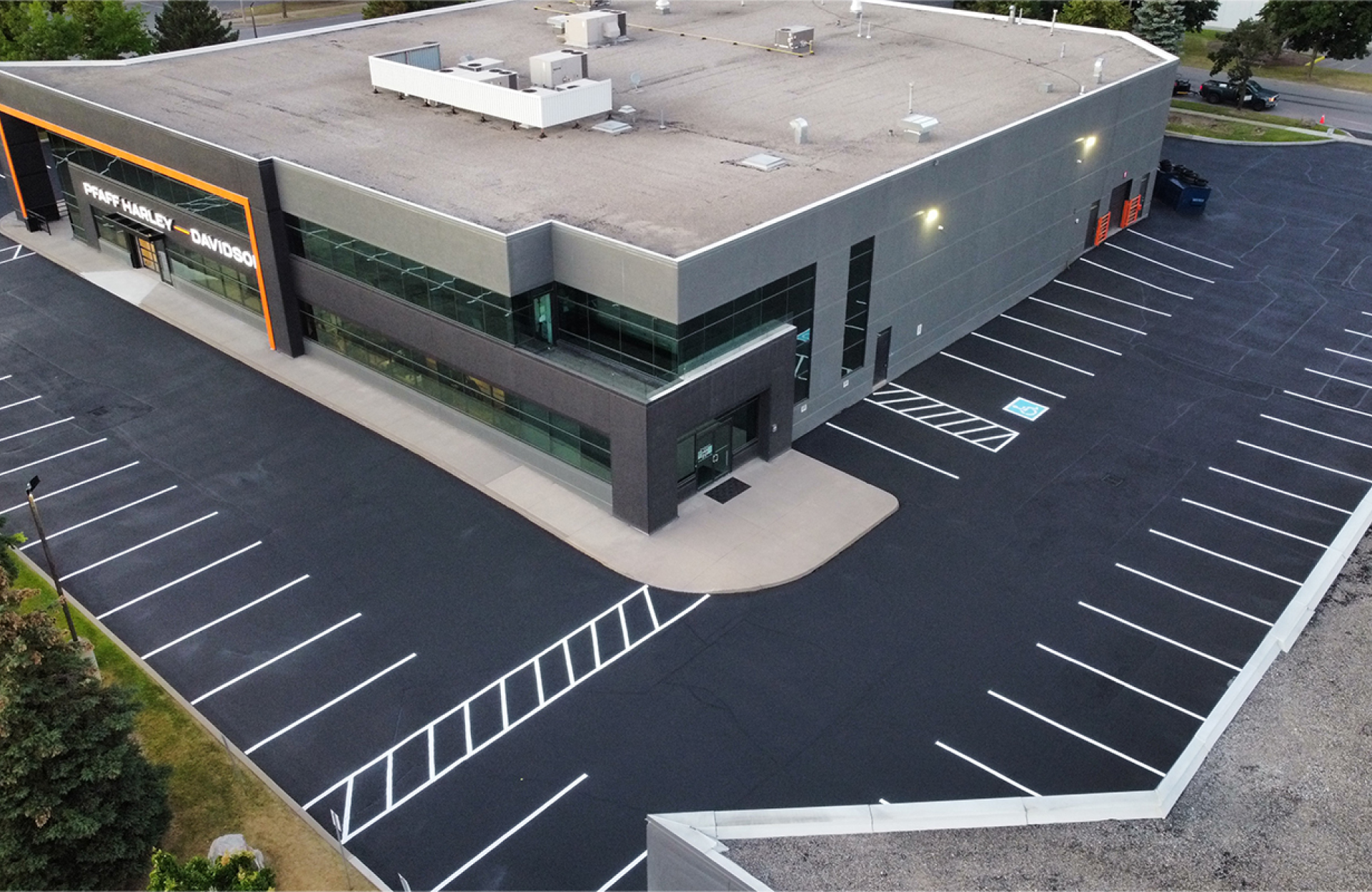
Line striping is the process of painting or applying durable markings on a paved surface to define parking stalls, traffic lanes, pedestrian walkways and special-use zones. These markings tell every driver and pedestrian where to go and where not to go, which is the foundation of parking lot safety.
Line striping fades faster than most owners expect. Traffic, snowplows, salt and UV exposure all wear paint down, and once lines are hard to read, drivers start creating their own layout. That is when near misses, door dings and pedestrian conflicts increase.
How Does Line Striping Improve Parking Lot Safety?
Clear Traffic Flow
Line striping for directional arrows, lane lines and stop bars shows drivers how to move through the lot. Clear traffic flow reduces wrong-way driving, head-on conflicts in aisles and congestion at entrances and exits during busy periods, which directly improves parking lot safety.
Pedestrian Protection
Crosswalks and painted walkways alert drivers to where people will be crossing and give pedestrians a defined route to the building. These markings are especially important near entrances, drop-off zones and loading areas, where parking lot safety risks are highest.
Fire Routes and Emergency Access
Many GTA municipalities require marked fire routes on commercial and multi-residential properties. Faded or missing fire route markings can lead to orders or fines and, more importantly, can slow emergency vehicles. Keeping these lines visible is a core part of line striping and parking lot safety on any commercial site.
Accessible Parking
In Ontario, accessible parking spaces and access aisles must follow the AODA Design of Public Spaces Standards and local bylaws. Clear, correctly sized accessible stalls with the right line striping help properties stay compliant and make the lot easier and safer to use for everyone, which is an often-overlooked part of parking lot safety.
What Other Benefits Does Line Striping Provide?
Better Use of Space
Well-planned line striping layouts prevent vehicles from straddling lines and wasting spaces. On busy retail, office and condo lots, an efficient layout can recover parking capacity without any new asphalt paving.
Curb Appeal and Professional Image
Fresh, crisp lines make a lot look organized and well managed. Line striping right after sealcoating gives the sharpest result, with bright white and yellow lines on freshly sealed or new asphalt paving. That first impression matters to tenants, customers and anyone evaluating the property.
Reduced Liability
Clear markings help show that a property is being maintained responsibly. Visible crosswalks, stop bars and fire routes reduce the confusion that leads to accidents and claims, which makes regular striping an easy win for parking lot safety and risk management.
What Happens When Parking Lot Lines Fade?
Faded markings are more than a cosmetic problem. When drivers cannot see stall lines, they park unevenly and block aisles. When arrows disappear, wrong-way traffic increases. When crosswalks fade, pedestrians lose the visual cue that tells drivers to slow down. Over time, these small breakdowns add up to a real decline in parking lot safety.
Regular line striping restores that structure, and it costs far less than dealing with an incident or claim. Property managers should note faded areas during spring and fall inspections and schedule line striping before markings become hard to read.
What Does the Line Striping Process Involve?
1. Surface Preparation
Markings only last as long as the asphalt paving under them. Cracks should be sealed and potholes fixed through professional parking lot repairs before striping, so new lines go down on a smooth, stable surface. The pavement is then swept or blown clean so paint bonds properly and markings support parking lot safety for longer.
2. Layout and Measurement
The crew measures and marks the layout, checking stall widths, aisle widths, accessible spaces and fire routes. On re-striping jobs, the existing layout is usually followed unless the property wants to improve flow or add capacity, or the lot has new asphalt paving.
3. Application
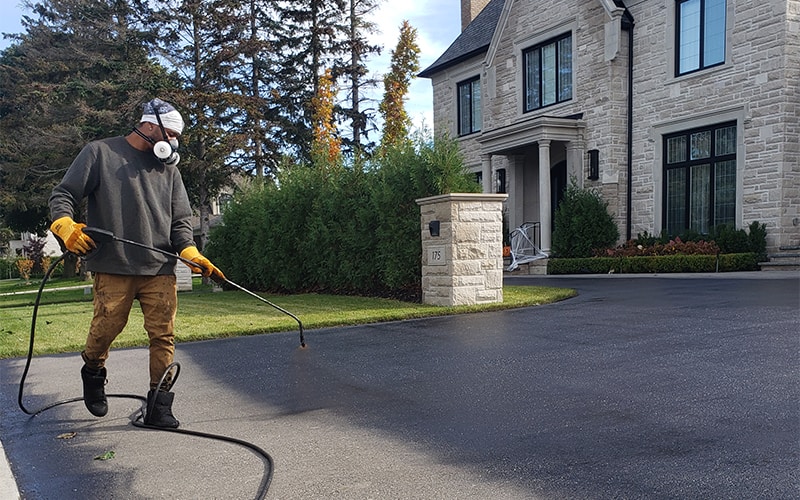
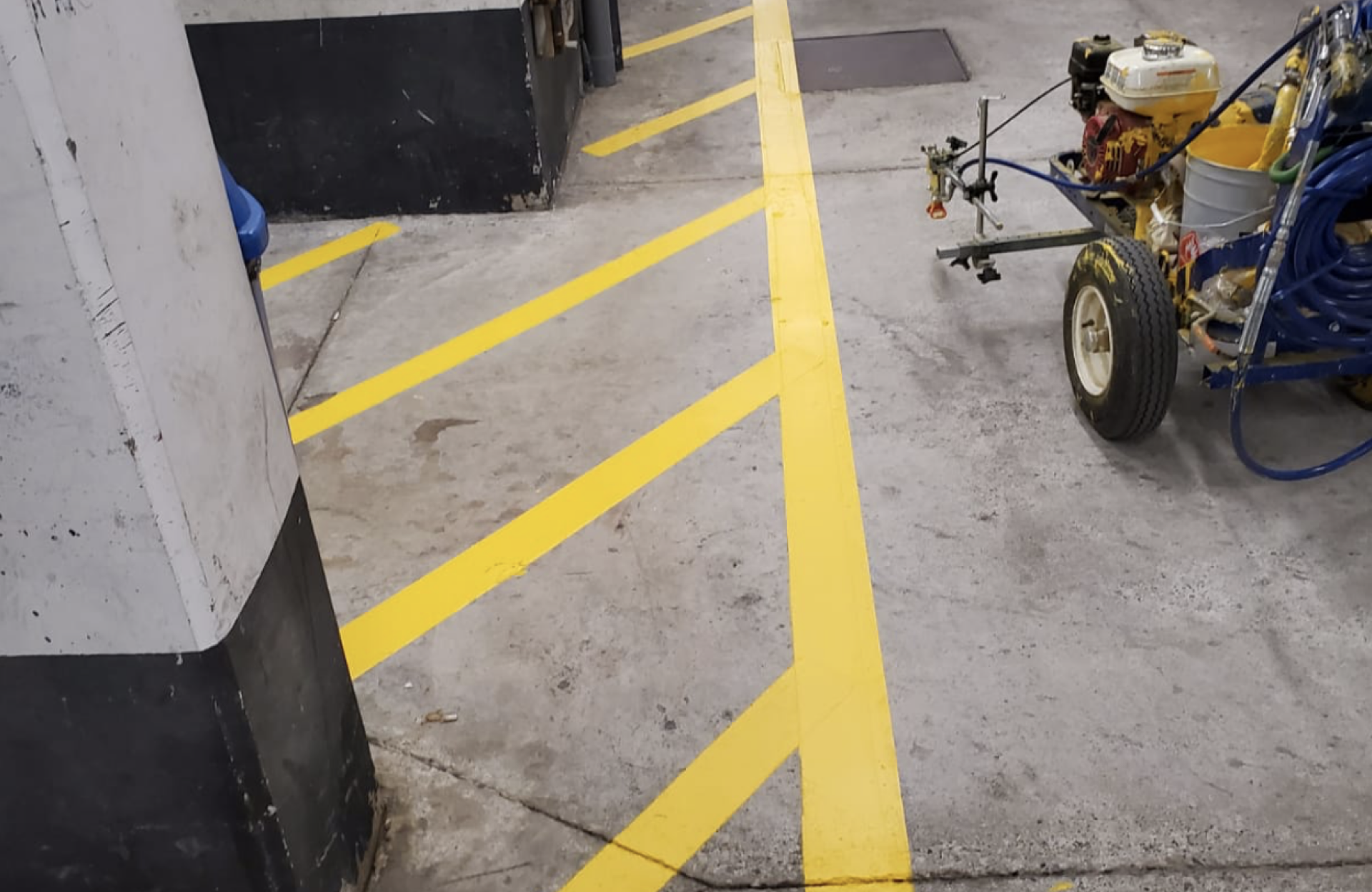
Line striping is applied with specialized equipment for straight, even lines. Traffic paint is the most common choice on commercial lots because it is cost-effective and quick to apply. More durable materials such as thermoplastic are sometimes used in very high-traffic areas, and the right choice depends on traffic, budget and how often the lot is resealed.
4. Drying and Inspection
Traffic paint usually dries quickly, often within an hour in good weather, so lots can reopen the same day. On new asphalt paving, striping waits until the surface has cured. A final walk-through confirms that lines, arrows, stencils and signage are clear and accurate.
How Does Line Striping Fit With Asphalt Paving and Maintenance?
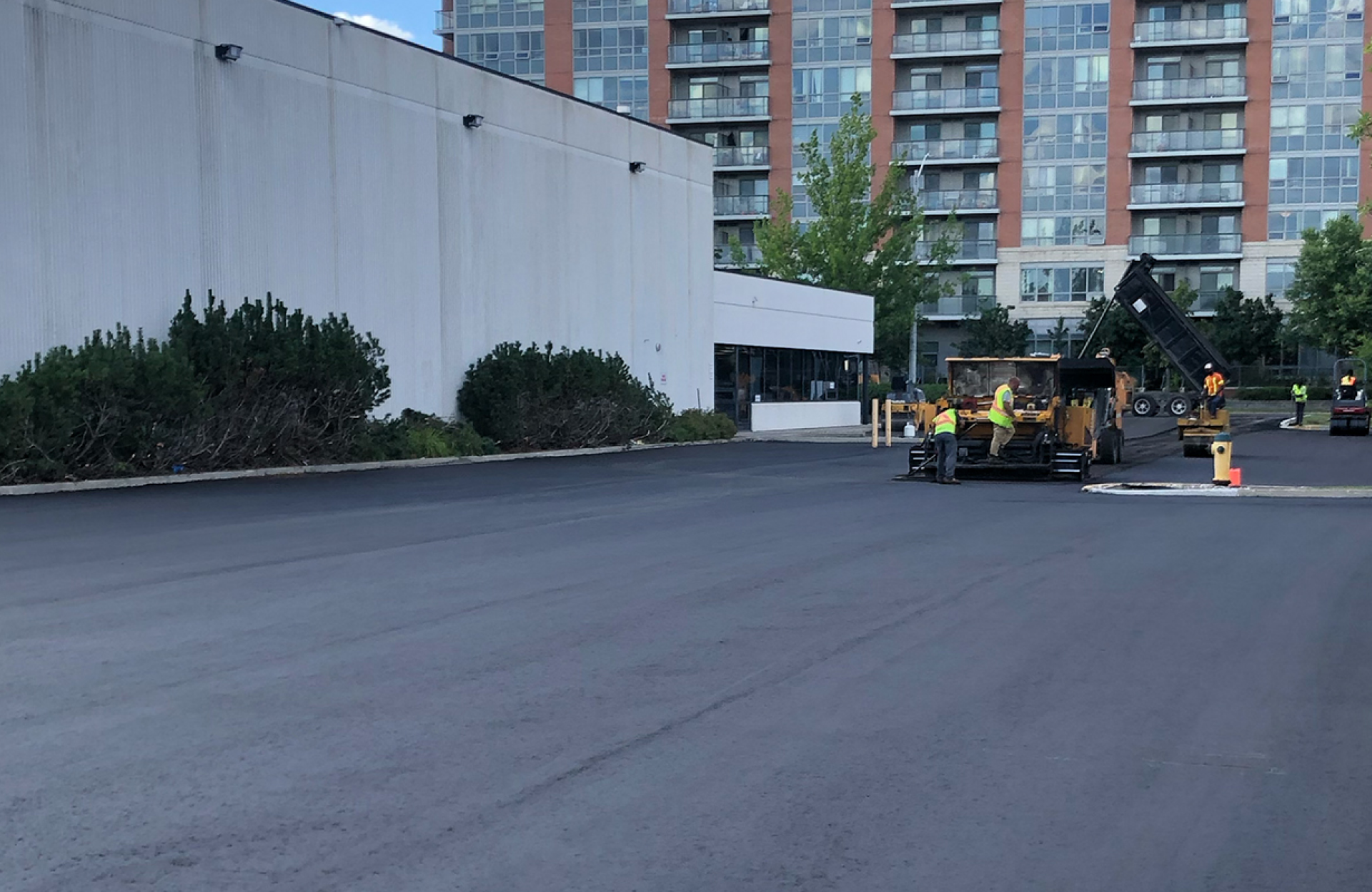
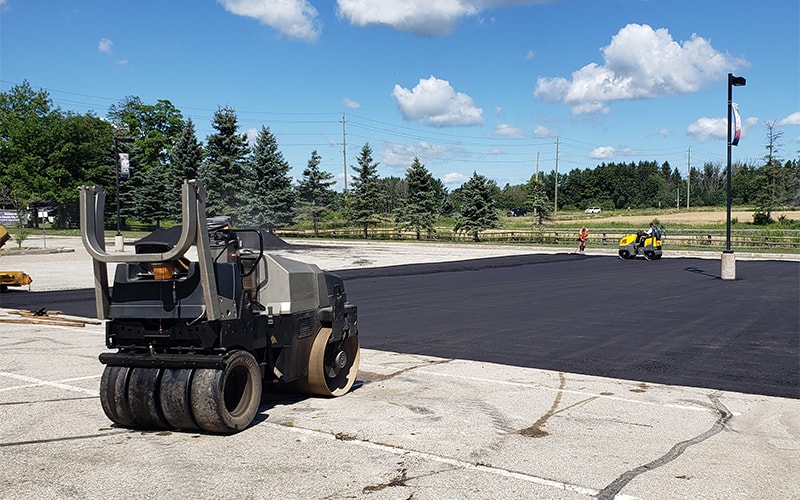
Striping is the final step of almost every pavement project. After new commercial asphalt paving, the surface needs time to cure before lines are applied. After sealcoating, every line must be repainted because the sealer covers the old markings. Planning crack sealing, sealcoating and line striping in the same visit keeps disruption low and gives the cleanest finish.
For most commercial lots in the GTA, re-striping every one to two years keeps markings readable. High-traffic lots, plaza entrances and areas cleared by snowplows may need touch-ups more often. Including striping in your asphalt paving and maintenance budget prevents parking lot safety from slipping between major projects.
Why Choose Seal Canada for Line Striping?
Seal Canada works with property managers, facility managers, condo corporations and commercial owners across Toronto, Vaughan, Mississauga, Markham, Richmond Hill, Barrie and the wider GTA. Our crews handle line painting, crack sealing, sealcoating, asphalt repairs, asphalt paving and concrete work, so striping can be coordinated with the rest of your pavement program and parking lot safety plan.
Every project starts with a free site assessment and a detailed written report. We schedule striping during evenings, weekends or off-peak hours to keep your property open, respond promptly, and offer 24/7 emergency service. Learn more about our commercial paving and maintenance services, delivered well above industry standards, on time and on budget.
Frequently Asked Questions
1. How often should a commercial parking lot be re-striped?
Most commercial lots need re-striping every one to two years, plus after every sealcoat or new asphalt paving. Busy lots and plowed areas may need touch-ups more often.
2. How long does line striping take?
Many lots can be striped in a single day or overnight. Paint usually dries within an hour in good weather, so the lot can reopen quickly.
3. Are fire route markings required in Ontario?
Many municipalities require designated fire routes on commercial and multi-residential properties, with specific markings and signs set by local bylaws. Check your municipality’s requirements or ask your contractor.
4. What rules apply to accessible parking stalls?
In Ontario, accessible parking follows the AODA Design of Public Spaces Standards along with local bylaws, which set the number, size and type of accessible spaces and access aisles.
5. Should line striping be done after sealcoating?
Yes. Sealcoating covers existing lines, so striping is always the last step once the sealer has cured. The same applies to new asphalt paving.
Are faded lines putting your property at risk? Contact Seal Canada to book a free site assessment and a pavement specialist will review your markings and give you a detailed written report with clear, prioritized recommendations.
Key Takeaways
• Clear markings guide drivers, protect pedestrians and improve parking lot safety.
• Fire routes and AODA-compliant accessible stalls must stay visible.
• Repairs and cleaning come before striping; striping comes after sealcoating and new asphalt paving.
• Most commercial lots need re-striping every one to two years.
• Bundling striping with other maintenance reduces disruption and cost