Recycled asphalt, also called reclaimed asphalt pavement (RAP), is old asphalt that has been milled, processed and reused in new mix or as a base material. Its main advantages are lower material costs, less landfill waste and reduced demand for new aggregate and binder, which makes it a practical form of sustainable paving. Its main drawbacks are variable quality, a stiffer binder that can increase cracking at high percentages, and a less uniform look when used as loose millings. When the mix is properly designed, recycled asphalt performs comparably to new asphalt paving on most commercial lots.
Asphalt is the most common surface for roads and commercial parking lots in Toronto and across the GTA. As more property owners and municipalities look for ways to cut costs and reduce waste, recycled asphalt has become a standard part of the conversation. For property managers, facility managers and procurement teams, the question is not whether recycled material is good or bad, but where it makes sense and where it does not. This guide covers the pros and cons of recycled asphalt in commercial asphalt paving projects, so you can ask the right questions before approving a quote.
What Is Recycled Asphalt and How Is It Used?
Recycled asphalt starts as old pavement that is milled or broken out during resurfacing and reconstruction. The material is crushed, screened and stockpiled, then reused in one of two main ways.
RAP Blended Into New Hot Mix
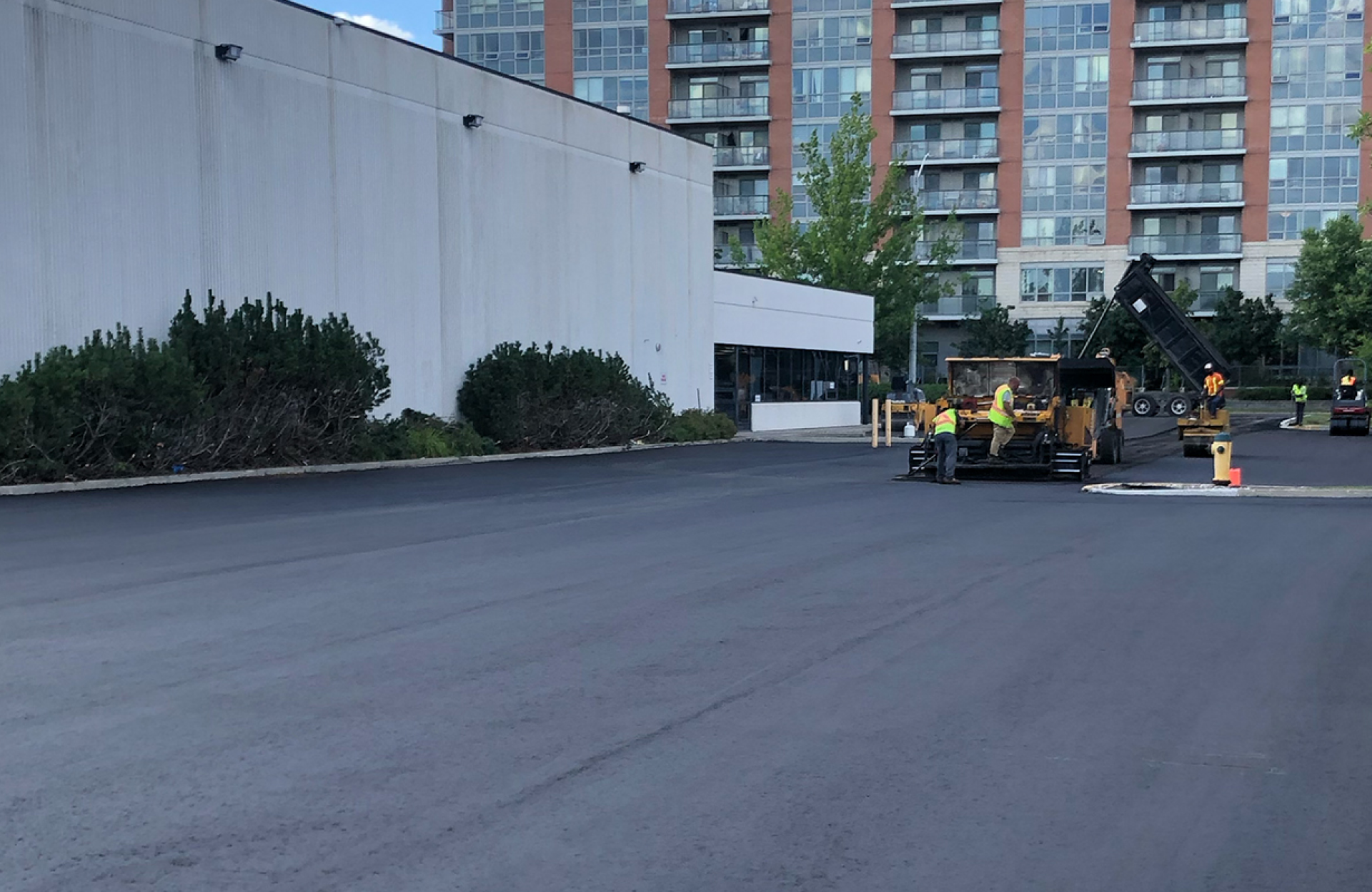
In this approach, a measured percentage of RAP is blended with new aggregate and fresh binder at the asphalt plant. The result is a new asphalt mix that looks and performs like conventional commercial asphalt paving when the recycled percentage is controlled. This is how most recycled asphalt is used on roads and commercial lots in Ontario, and the most common form of sustainable paving.
Recycled Asphalt Millings
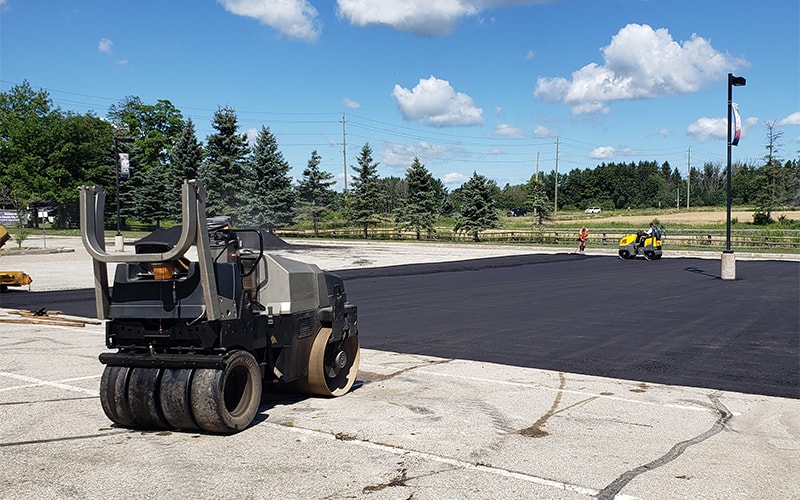
Millings can also be placed and compacted on their own as a granular base, a temporary surface or a low-traffic lane. This is a lower-cost use of recycled asphalt, but it does not deliver the finish, strength or water resistance of proper asphalt paving.
What Are the Pros of Recycled Asphalt?
Environmental Benefits
Reusing old pavement keeps tonnes of material out of landfills and reduces the need to quarry new aggregate and refine new binder. Fewer raw materials also means less trucking and lower emissions. These benefits make recycled asphalt one of the most widely used forms of sustainable paving in North America.
Lower Material Costs
Because RAP replaces part of the new aggregate and binder in a mix, it can reduce material costs on large asphalt paving projects. Savings depend on local supply, mix design and the percentage used, so it is worth asking contractors how RAP affects the price in their quote. Cost savings and sustainable paving goals often go hand in hand.
Comparable Performance When Designed Correctly
When properly designed and produced, mixes containing recycled asphalt can perform comparably to all-new asphalt under traffic and harsh weather. The key is quality control at the plant and a mix design matched to the traffic on your lot. Higher recycled content can stiffen the mix and make it more prone to cracking over time, which is why regular crack sealing for commercial lots matters on any paved surface.
Versatility
Recycled material can be used in surface mixes, base layers and granular sub-base, which gives designers flexibility across a project. That versatility is part of why sustainable paving practices have become routine in commercial asphalt paving rather than a specialty option.
What Are the Cons of Recycled Asphalt?
Quality Variability
RAP comes from many different pavements, so its gradation and binder content can vary. Without proper testing and stockpile management, that variation can lead to inconsistent performance. Reputable asphalt plants test and control RAP to keep mixes within specification for commercial asphalt paving.
Stiffer Binder and Cracking Risk
The binder in recycled asphalt has already aged and hardened. In small amounts that is not a problem, but high percentages can make a mix more brittle in cold weather. In Ontario, where freeze-thaw cycles are hard on pavement, keeping recycled content within specification is important for crack resistance.
Supply and Availability
Availability depends on local plants and recycling operations. Most of the GTA is well served, but supply and pricing can vary by plant and by season, which can affect asphalt paving schedules.
Appearance of Loose Millings
Mixes with RAP look like regular asphalt paving once placed. Loose recycled asphalt millings, however, have a rougher, greyer and less uniform finish, which may not suit customer-facing areas or entrances.
Environmental Precautions
Most RAP is low risk, but very old pavements or coatings can contain materials that should not be reused near sensitive areas. Good suppliers screen and test their stockpiles before reuse, so sustainable paving does not come at the expense of site safety.
Is Recycled Asphalt Right for Your Commercial Lot?
Recycled asphalt usually makes sense when the mix is designed for your traffic and produced by a plant with good quality control. It is a strong fit for base layers, large lots, industrial yards and owners with sustainable paving goals. Use more caution in areas with heavy truck turning, very thin overlays or high-visibility entrances where appearance matters most. Before approving recycled asphalt paving, ask your contractor:
• Mix design: Which mix is specified for each layer, and what percentage of RAP does it contain?
• Quality control: How does the supplying plant test and manage its RAP stockpiles?
• Traffic: Is the mix suited to the heaviest vehicles that use the lot?
• Maintenance: What crack sealing and sealcoating schedule will protect the surface after paving?
How Does Maintenance Protect Recycled Asphalt Paving?
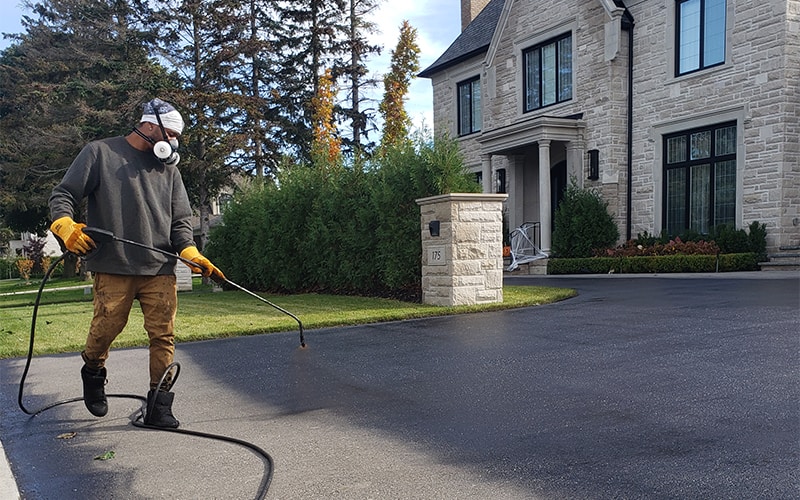
Any asphalt surface, recycled or new, depends on maintenance to reach its full lifespan. Crack sealing keeps water out of the base, sealcoating every two to three years protects against UV rays and salt, and prompt repairs stop damage from spreading. For mixes that include recycled asphalt, consistent crack sealing is especially valuable because the stiffer binder can crack sooner in cold weather. A planned maintenance program protects both the pavement and the sustainable paving value it was chosen for.
How Seal Canada Helps You Choose the Right Paving Materials
Seal Canada works with property managers, facility managers, condo corporations and commercial owners across Toronto, Vaughan, Mississauga, Markham, Richmond Hill, Barrie and the wider GTA. We give straightforward advice on materials, including when recycled asphalt makes sense, how to meet sustainable paving goals, and when all-new mix is the better choice for your site.
Every project starts with a free site assessment and a detailed written report covering current condition, recommended scope and a maintenance plan. Learn more about our commercial paving and maintenance services, from asphalt paving and repairs to crack sealing, sealcoating, line painting and concrete work. We schedule around tenants and operations, respond promptly and offer 24/7 emergency service, with work completed well above industry standards, on time and on budget.
Frequently Asked Questions
1. Is recycled asphalt as strong as new asphalt?
When the mix is properly designed and the recycled percentage is controlled, RAP mixes perform comparably to all-new asphalt and are widely used on Ontario roads and commercial lots.
2. Is recycled asphalt cheaper?
It can reduce material costs because it replaces part of the new aggregate and binder. Actual savings depend on local supply, the mix design and the size of the project, and the sustainable paving benefits come on top of any savings.
3. Can recycled asphalt millings be used for a parking lot?
Millings work as a base or for low-traffic, temporary areas. For customer-facing commercial lots, properly designed asphalt paving gives a smoother, stronger and more water-resistant finish.
4. Does recycled asphalt crack more easily?
High recycled content can make a mix stiffer and more prone to cold-weather cracking. Keeping RAP within specification and sealing cracks promptly manages that risk.
5. Is recycled asphalt environmentally friendly?
Yes. It reduces landfill waste, conserves aggregate and binder and lowers trucking emissions, which is why it is central to sustainable paving.
Wondering whether recycled asphalt and sustainable paving options are the right fit for your next paving project? Contact Seal Canada to book a free site assessment and a pavement specialist will review your lot and give you a detailed written report with clear, honest recommendations.
Key Takeaways
• RAP is old pavement reused in new mix or as millings.
• Its main benefits are lower material use, less landfill waste and potential cost savings, making it a practical form of sustainable paving.
• Properly designed RAP mixes perform comparably to all-new asphalt paving.
• High recycled content can increase cracking risk, so mix design and quality control matter.
• Regular crack sealing and sealcoating protect any surface, recycled or new.