Curb appeal is how a property looks from the street, and for commercial properties it shapes first impressions, leasing interest, tenant satisfaction and long-term property value. The parking lot, curbs and sidewalks are usually the first surfaces visitors touch, so pavement condition carries a lot of weight. Regular repairs, crack sealing, sealcoating and fresh line painting are the most cost-effective ways to keep a commercial site looking professional and well managed.
Visitors judge a property before they reach the front door. Faded lines, cracked asphalt and broken curbs send a message that the site is not being looked after, even if the building itself is in good shape. For property managers, asset managers and commercial owners, curb appeal is not just about looks. It affects how tenants feel about renewing, how customers feel about stopping, and how buyers and lenders view property value. This guide explains why curb appeal matters for commercial properties across the GTA and how Seal Canada’s commercial pavement services help keep your site at its best.
What Is Curb Appeal for Commercial Properties?
Curb appeal refers to how attractive and well maintained a property looks from the street and the parking lot. For commercial properties, it usually includes:
• Pavement: the parking lot surface, drive lanes and entrances.
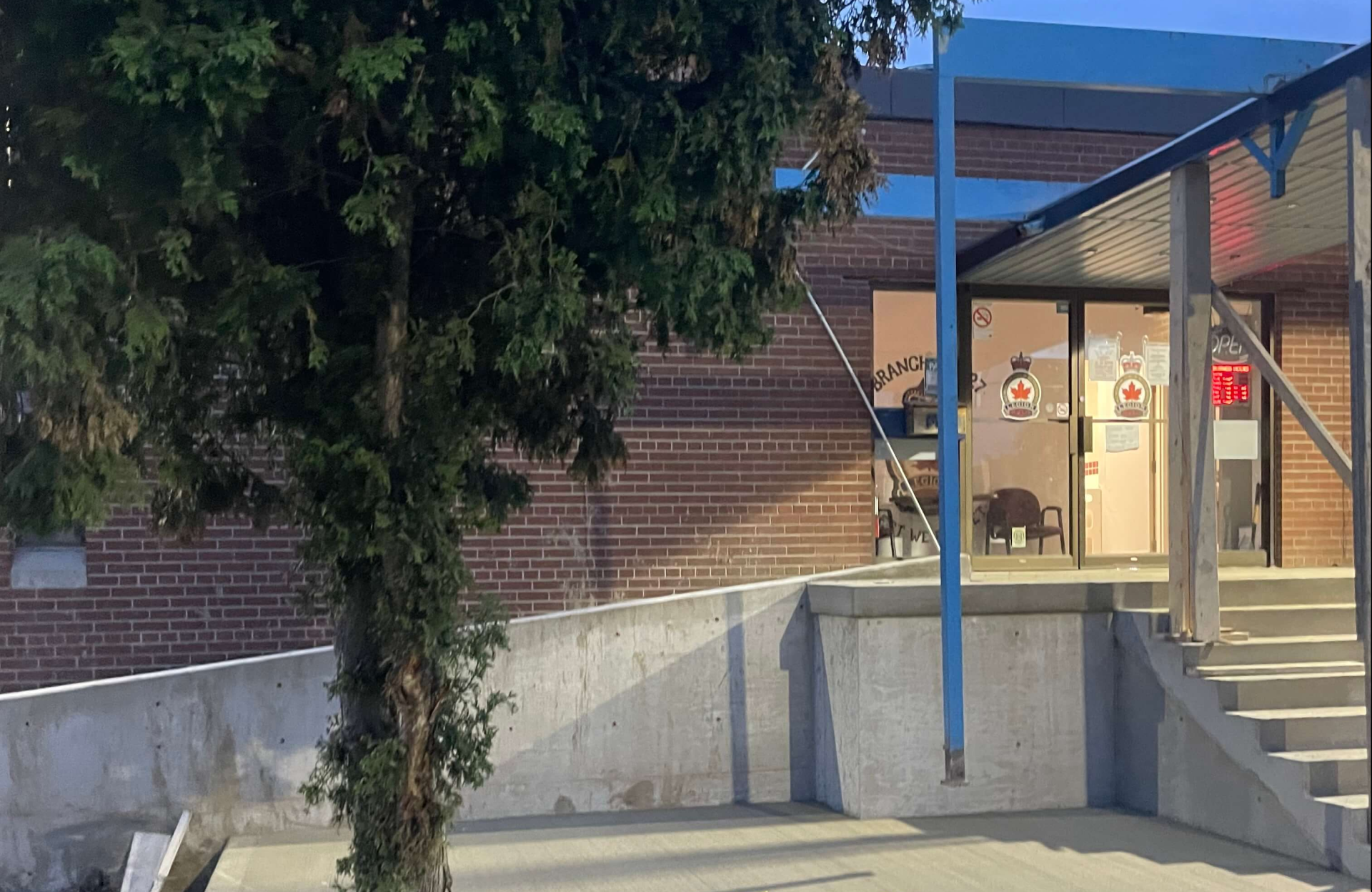
• Concrete: commercial concrete curbs and sidewalks, plus walkways and stairs.
• Line painting: stall lines, arrows, fire routes and accessible parking markings.
• Building and grounds: the façade, signage, lighting and landscaping.
Of these, pavement covers the largest visible area on most sites. A clean, black, well-striped lot with solid curbs frames the building and makes everything else look better. A worn lot does the opposite, no matter how much has been spent on the façade or signage.
Why Does Curb Appeal Matter for Commercial Properties?
First Impressions and Customer Traffic
For retail plazas, medical buildings, dealerships, hotels and offices, the parking lot is part of the customer experience. A smooth, clearly marked lot makes it easy to park and walk in. Potholes, puddles and faded lines make visitors uneasy before they ever reach the entrance, and some will simply choose a competitor with an easier lot. This is especially true for commercial properties that depend on walk-in traffic.
Property Value and Leasing
Buyers, appraisers and lenders all look at the condition of a site. Pavement in poor shape signals deferred maintenance and future capital costs, which can weigh on property value and negotiations. Well-maintained commercial properties are easier to lease, easier to refinance and easier to sell, because they show that the owner has protected the asset.
Tenant Satisfaction and Retention
Tenants want their customers and staff to arrive at a site that reflects well on their business. Strong curb appeal supports tenant satisfaction and renewals, while a neglected lot gives tenants one more reason to look elsewhere when the lease is up. Keeping tenants in place protects income and property value at the same time.
Safety and Liability
Many of the issues that hurt curb appeal are also safety issues. Trip hazards on sidewalks, broken curbs, potholes and missing fire route markings can lead to injuries, vehicle damage and claims. Fixing them improves appearance and reduces liability exposure for owners and managers of commercial properties.
Brand Image and Reputation
The condition of a site reflects on every business that operates there. Clean pavement and crisp lines tell visitors that the property is professionally managed. For portfolio owners, consistent curb appeal across every location strengthens the reputation of the whole portfolio and supports property value across every site.
How Does Pavement Condition Affect Property Value?
Pavement is one of the largest maintenance items on most commercial properties, and its condition is easy for anyone to see. When cracks are left open, water reaches the base and the damage spreads, turning an inexpensive maintenance task into a resurfacing or reconstruction project. That future cost is exactly what buyers and appraisers factor in when they assess property value.
A planned maintenance program keeps pavement in the preventive stage, where repairs are small and predictable. Regular crack sealing for commercial lots keeps water out of the base, and sealcoating protects the surface from sun, salt and fuel. Together, they extend pavement life, protect property value and keep curb appeal strong year after year.
Why Does Ontario Weather Make Curb Appeal Harder to Keep?
GTA winters are tough on commercial properties. Freeze-thaw cycles widen cracks, road salt stains concrete and wears down asphalt, and snowplows scrape curbs and line markings. By April, a lot that looked fine in the fall can be covered in potholes, chipped curbs and faded lines.
That is why spring and fall matter so much. A fall round of crack sealing and repairs protects the surface before the first freeze, and a spring walk-through catches winter damage before it hurts curb appeal or property value during the busy leasing and selling season. Planning these two checkpoints each year keeps commercial properties presentable in every season and avoids emergency repairs.
How Can You Improve Curb Appeal on a Commercial Lot?
1. Walk the Site Like a Visitor
Start at the street and walk the property the way a customer, tenant or buyer would. Note faded lines, cracks, potholes, standing water, damaged curbs and uneven sidewalks. Photograph each issue so you can rank priorities, track progress and show owners how the work supports property value.
2. Repair Before You Beautify
Fix potholes, failed asphalt and drainage problems first. Cosmetic work applied over damaged pavement will not last, and repairs remove the hazards that hurt both safety and curb appeal. Professional parking lot repairs and sealcoating should be planned in that order.
3. Restore Curbs and Sidewalks
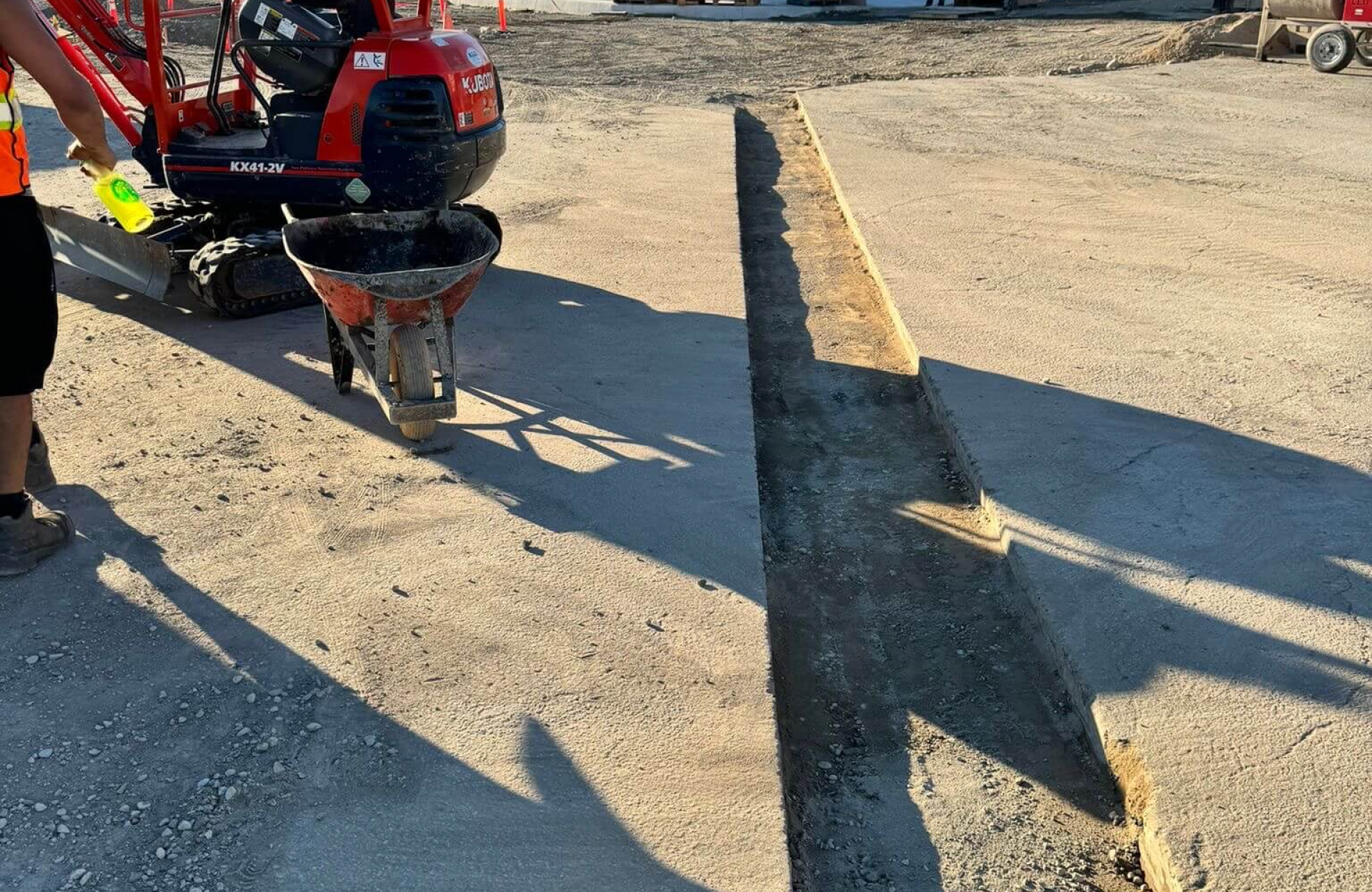
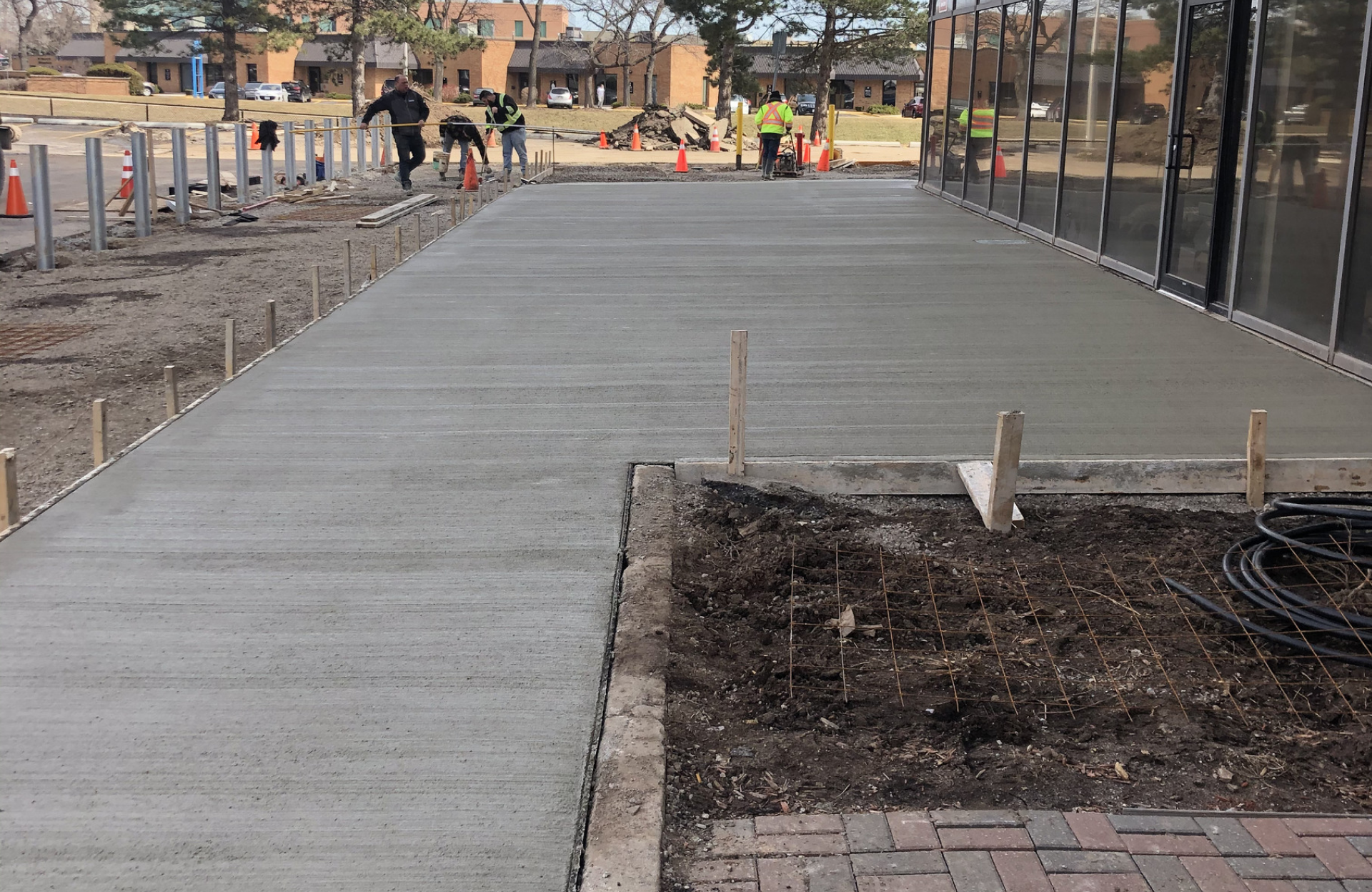
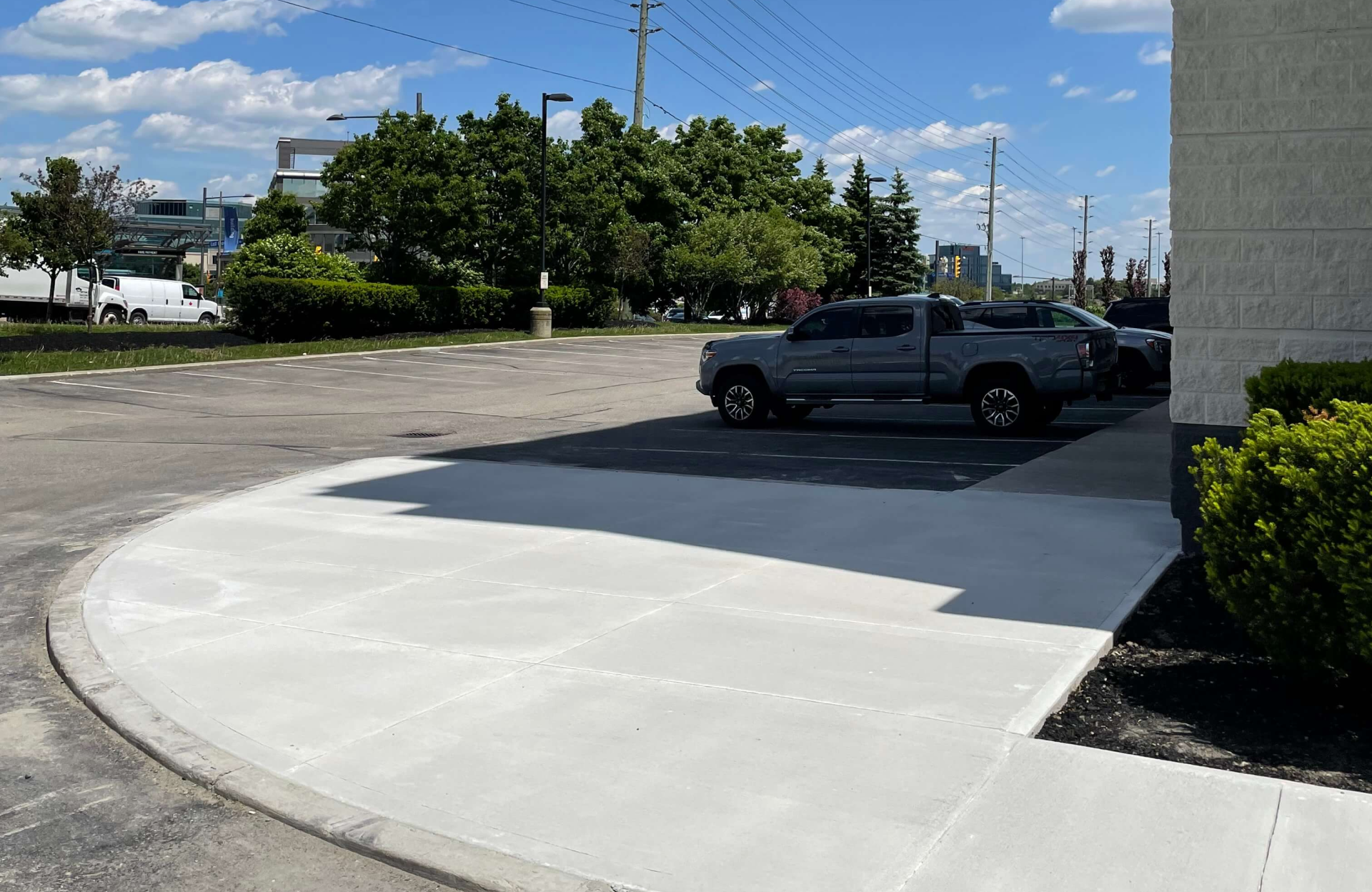
Chipped curbs and heaved sidewalk slabs stand out immediately. Replacing damaged sections with new concrete sharpens the edges of the lot and removes trip hazards near entrances, one of the quickest curb appeal upgrades for commercial properties.
4. Seal and Repaint
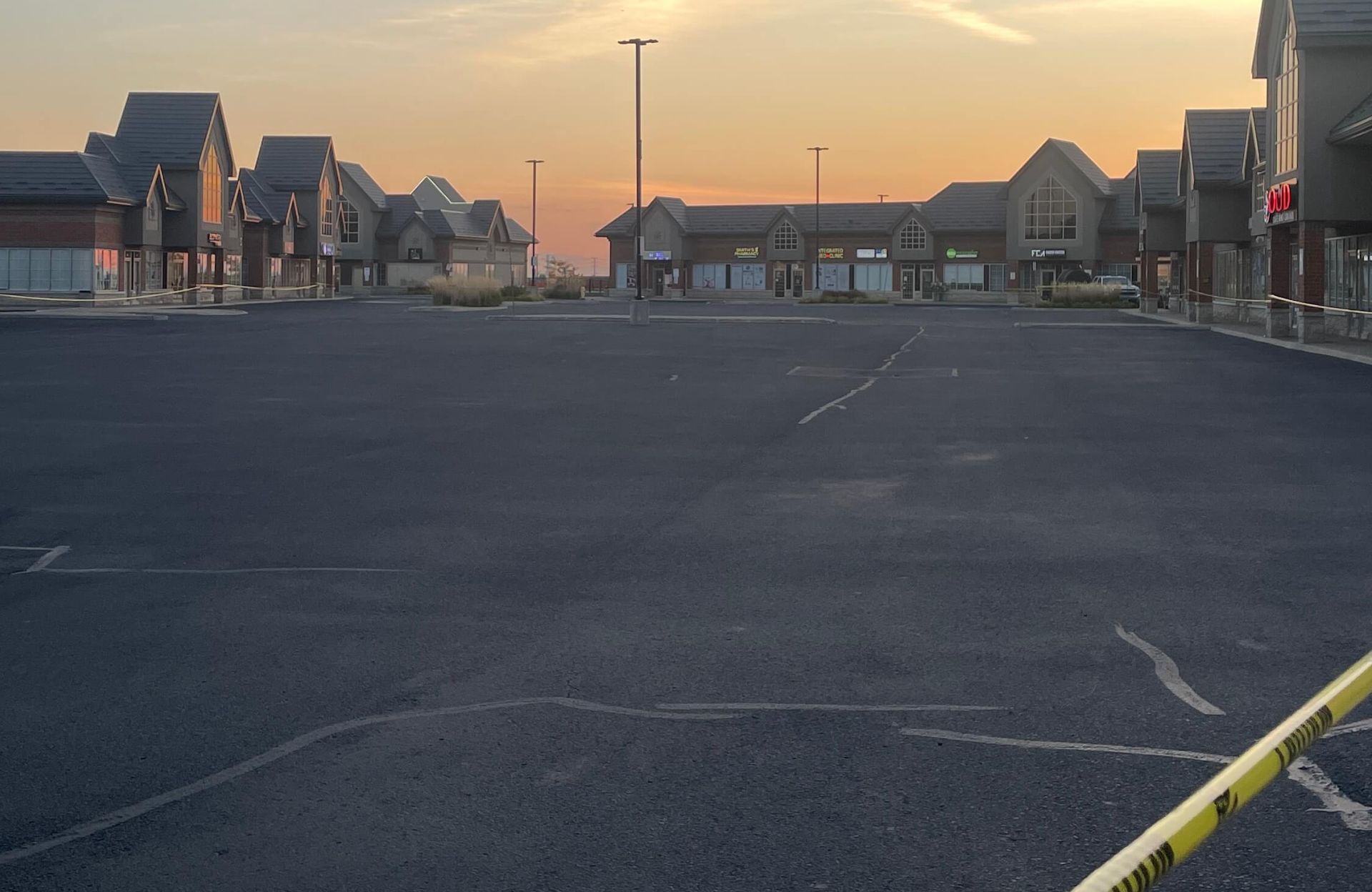
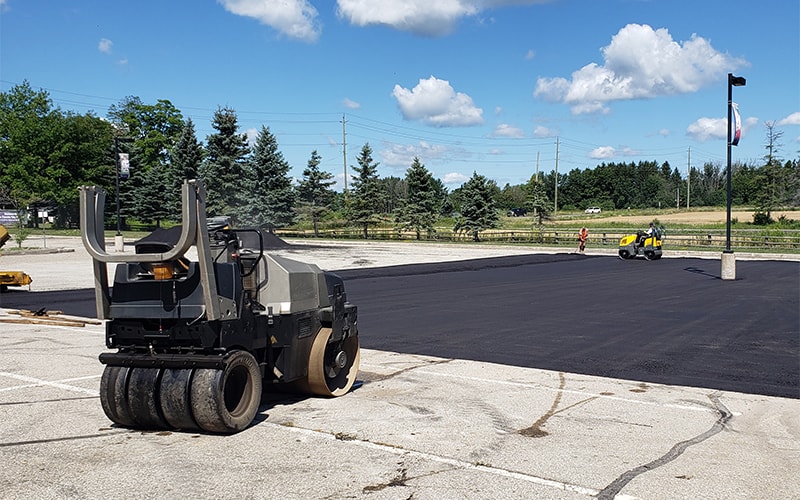
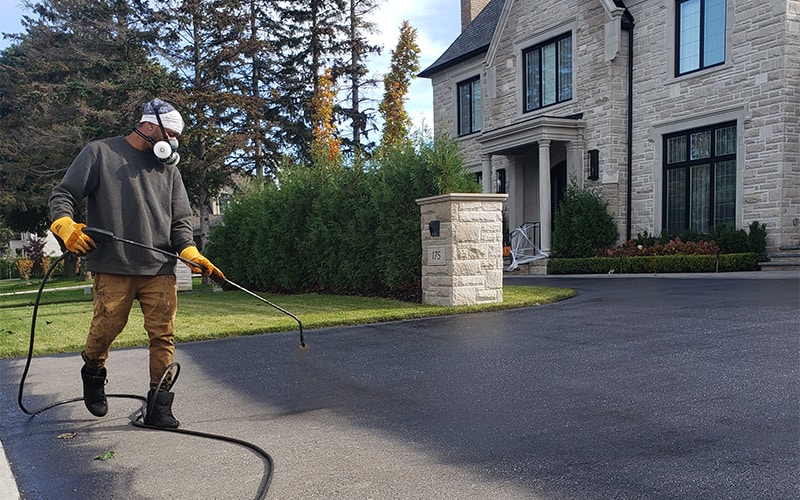
Once repairs are done, crack sealing and sealcoating restore a uniform black surface, and fresh line painting finishes the job. This combination delivers the most visible improvement for the budget on most commercial properties.
5. Plan and Budget Every Year
Build pavement into the annual operating budget instead of waiting for a crisis. A yearly inspection and a multi-year plan keep curb appeal consistent, make costs predictable and protect property value across the portfolio.
How Seal Canada Helps Commercial Properties Improve Curb Appeal
Seal Canada works with property managers, facility managers, condo corporations and commercial owners across Toronto, Vaughan, Mississauga, Markham, Richmond Hill, Barrie and the wider GTA. One contractor handles asphalt paving and repairs, crack sealing, sealcoating, line painting and concrete curbs and sidewalks, so you get a consistent finish across the whole site.
Every project starts with a free site assessment and a detailed written report that shows what needs attention now and what can be planned for later. We schedule work around tenants and business hours, respond promptly, and offer 24/7 emergency service. The goal is work completed well above industry standards, on time and on budget, with honest advice that protects curb appeal and property value.
Frequently Asked Questions
1. What does curb appeal mean for commercial properties?
It is the overall impression a site makes from the street and parking lot, including pavement, curbs, sidewalks, line painting, the building façade, signage, lighting and landscaping.
2. Does curb appeal affect property value?
Yes. Visible deferred maintenance signals future costs to buyers, appraisers and lenders. A well-maintained site supports leasing, renewals and stronger property value.
3. What is the fastest way to improve a parking lot’s appearance?
Repair potholes and damaged areas, then crack seal, sealcoat and repaint the lines. This sequence gives the biggest visible change for the cost.
4. How often should a commercial parking lot be sealcoated and restriped?
Most commercial lots benefit from sealcoating every two to three years, with line painting refreshed whenever markings fade or after each sealcoat.
5. Can pavement work be done without closing the property?
Usually. Work can be phased by section and scheduled during evenings, weekends or off-peak hours so tenants and customers keep access to the site. This flexibility matters for commercial properties that operate seven days a week.
Your parking lot is the first thing visitors see. Contact Seal Canada to book a free site assessment and get a detailed report on what your lot needs to look its best and protect its value.
Key Takeaways
• Curb appeal shapes first impressions, tenant retention, safety and brand image.
• Pavement, curbs and sidewalks are the largest visible surfaces on most commercial properties.
• Deferred pavement maintenance signals future costs and can weigh on property value.
• Repair first, then crack seal, sealcoat and repaint for the biggest visible improvement.
• An annual inspection and multi-year plan keep costs predictable and appearance consistent.