UV rays break down the binder that holds asphalt together, which leads to oxidation, fading, hairline cracks and loose stone. On commercial parking lots across the GTA, that sun exposure opens the door for water, salt and freeze-thaw cycles to cause deeper asphalt damage. The most effective pavement protection is a routine of crack sealing, prompt repairs and professional sealcoating every two to three years, backed by regular inspections.
A parking lot that was jet black a few years ago can turn grey, brittle and cracked with no heavy traffic or major incident to blame. In most cases, the cause is the sun. UV rays slowly strip the oils out of the asphalt binder, and across Ontario that damage builds through the summer and gets worse each winter, when freeze-thaw cycles and road salt widen every opening. For property managers, facility managers and commercial owners, the result is a lot that looks neglected and costs more to fix the longer it waits. This guide explains how UV rays cause asphalt damage, the warning signs to watch for, and how a planned pavement protection program from Seal Canada, a commercial pavement contractor stops the problem before it reaches the base.
How Do UV Rays Damage Asphalt Pavement?
Asphalt is a mix of stone aggregate held together by a petroleum-based binder. The binder keeps the surface flexible and waterproof. UV rays from the sun, combined with oxygen in the air, trigger a chemical reaction called oxidation that dries the binder out. Once those oils are gone, the pavement can no longer flex with temperature swings or traffic loads.
Oxidation and Loss of Flexibility
Oxidation is the root of most UV-related asphalt damage. As the binder hardens, the surface turns brittle and starts to crack under the normal stress of cars, delivery trucks and snowplows. Pavement that once bent slightly under a loaded truck now fractures instead.
Fading and a Rough, Porous Surface
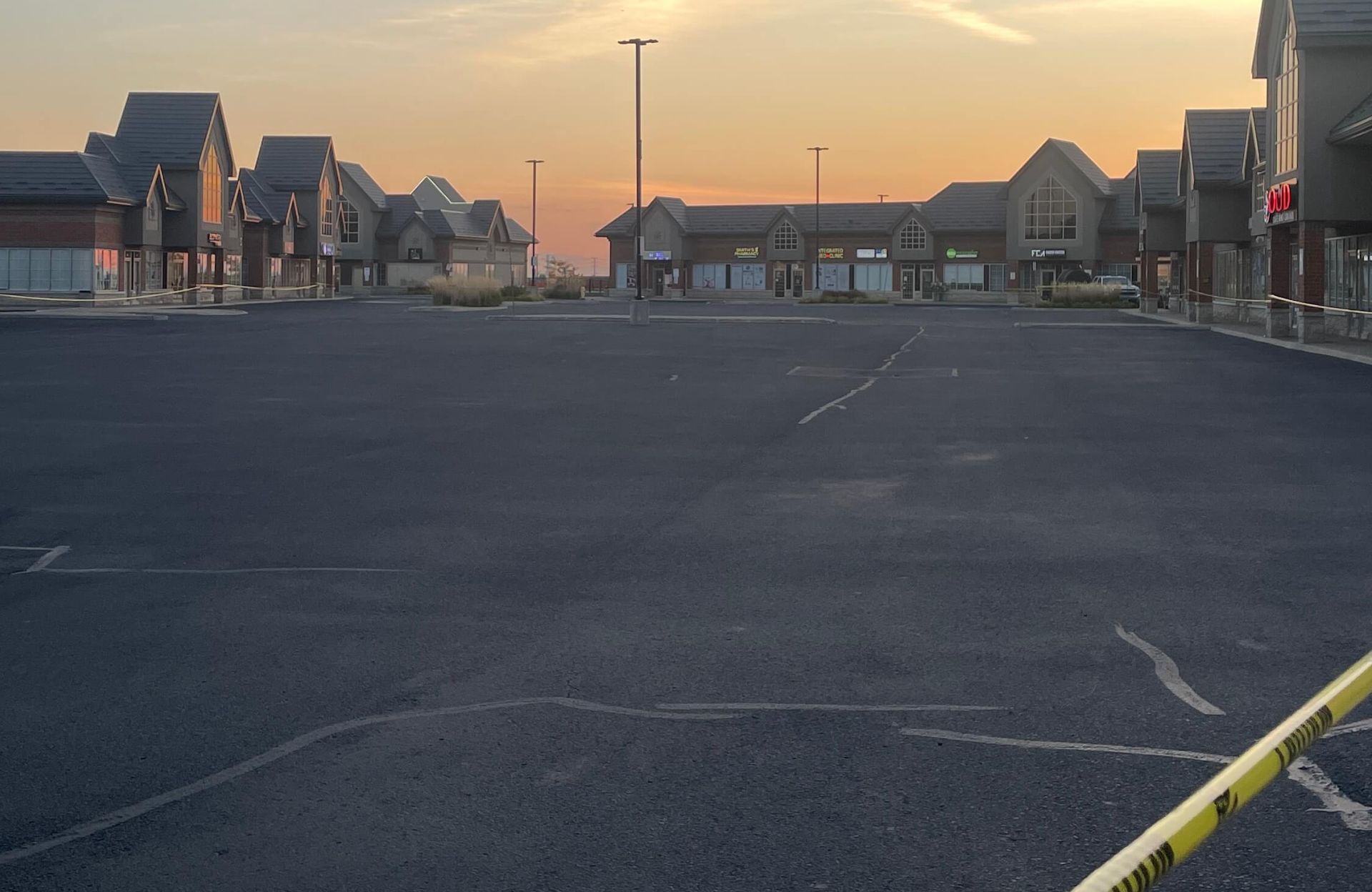
The first visible sign of UV rays at work is colour loss. Fresh asphalt is deep black, while oxidized asphalt fades to grey or light brown. At the same time, the surface becomes rough and porous as fine material wears away. That texture lets water soak in, and this is where cosmetic wear turns into structural asphalt damage.
Thermal Stress and Cracking
Dark pavement absorbs a lot of heat on summer afternoons and cools quickly overnight. That daily expansion and contraction puts stress on a binder already weakened by UV rays, and hairline cracks begin to form. Left open, those cracks let water reach the granular base below, where asphalt damage becomes far more expensive to fix.
Why Does UV Damage Get Worse in Ontario Winters?
Sun exposure starts the problem, but Ontario weather speeds it up. Water that enters cracks opened by UV rays freezes, expands and pushes the crack wider. Road salt and de-icers add chemical wear, and plow blades catch on raised edges. A crack that was a few millimetres wide in October can become a pothole by April.
That is why the most cost-effective time for pavement protection is before winter, not after the spring thaw reveals the asphalt damage. For commercial properties, the stakes go beyond appearance. Potholes, loose stone and uneven edges are trip and vehicle hazards, and they can create liability exposure for the owners and managers responsible for safe access to the property.
What Are the Signs of UV Damage on a Commercial Lot?
Catching asphalt damage early keeps repair costs low. During your next walk-through, look for these warning signs:
• Fading colour: asphalt that has turned from rich black to grey or light brown, especially in sunny areas with little shade.
• Hairline cracks: thin surface cracks, often in a random web pattern, caused by oxidation and thermal stress from UV rays.
• Rough texture: a coarse surface where the fine aggregate is exposed because the binder has dried out.
• Raveling: loose stones separating from the surface near drive lanes and parking stalls, a sign of advanced asphalt damage.
• Water absorption: sections that stay dark and wet after rain long after the rest of the lot has dried.
If you see two or more of these signs, the surface is past the cosmetic stage. Book an inspection and start a pavement protection plan before the next freeze-thaw season turns minor asphalt damage into full repairs.
How Does Sealcoating Protect Asphalt From UV Rays?
Sealcoating is the frontline of pavement protection against UV rays. A sealcoat is a liquid coating applied over clean, repaired asphalt. Once cured, it forms a pigmented barrier that blocks UV rays from reaching the binder, sheds water and resists oil, fuel and salt. It also restores the deep black finish that makes a property look cared for to tenants, customers and visitors.
Professional parking lot sealcoating and repair services work best on a set cycle. Most commercial lots in the GTA benefit from sealcoating every two to three years, with timing adjusted for traffic volume and sun exposure. Sealing too often builds up layers that can crack and peel, while waiting too long leaves the binder exposed to UV rays and avoidable asphalt damage.
Keep in mind that sealcoating is pavement protection, not a repair. Cracks, potholes and failed areas need to be fixed first so the sealcoat bonds to a stable surface and lasts its full cycle.
What Else Belongs in a Pavement Protection Plan?
Sealcoating works best as one part of a broader pavement protection plan. For commercial and industrial properties, that plan usually includes four parts.
Routine Inspections
Walk the lot at least twice a year, ideally in spring and fall. Note new cracks, fading, drainage problems and raveling, and photograph them so you can track changes over time and plan budgets with real data.
Crack Sealing Before Winter
Sealing cracks as soon as they appear keeps water out of the base and is one of the lowest-cost forms of pavement protection. Hot-applied crack sealing for commercial parking lots should be completed before sealcoating, ideally in late summer or fall.
Prompt Repairs to Stop Asphalt Damage
Potholes and failed patches should be repaired with permanent hot-mix asphalt rather than temporary cold patch. Fixing small areas quickly stops asphalt damage from spreading into the surrounding pavement and keeps drive lanes safe.
Quality Materials at Paving Time
When a lot is paved or resurfaced, the mix design, compaction and drainage all affect how well the surface stands up to UV rays and weather. Asking about these details at the quote stage pays off over the life of the pavement and makes every later round of pavement protection more effective.
How Seal Canada Helps GTA Properties Fight UV Damage
Seal Canada works with property managers, facility managers, condo corporations and commercial owners across Toronto, Vaughan, Mississauga, Markham, Richmond Hill, Barrie and the wider GTA. Our commercial paving and maintenance services cover the full pavement protection cycle: free site assessments, detailed condition reports, crack sealing, asphalt repairs, sealcoating and line painting.
We schedule work around your tenants and operations, and our team offers 24/7 emergency response when asphalt damage cannot wait. The goal is simple: work completed well above industry standards, on time and on budget, with honest advice about what your lot actually needs.
Frequently Asked Questions
1. How long does it take for UV rays to damage asphalt?
Oxidation starts within the first year of exposure, and fading is usually visible within one to three years. Without sealcoating or other pavement protection, many commercial lots show hairline cracking and a rough texture within a few seasons, depending on sun exposure and traffic.
2. Does sealcoating really block UV rays?
Yes. A quality sealcoat forms a pigmented layer that blocks UV rays before they reach the asphalt binder. The coating wears down with traffic and weather, which is why reapplication every two to three years is recommended.
3. When is the best time to sealcoat a parking lot in Ontario?
Late spring through early fall, when temperatures stay above roughly 10°C and no rain is expected for at least 24 hours. Sealcoat needs warm, dry conditions to cure properly.
4. Can new asphalt be sealcoated right away?
No. Fresh asphalt needs time to cure before its first sealcoat, usually six months to a year. Sealing too early can trap oils and soften the surface.
5. Is it cheaper to maintain a UV-damaged lot or replace it?
Maintenance is far cheaper. Routine pavement protection costs a fraction of resurfacing or reconstruction, and catching asphalt damage at the crack stage avoids base failure, the most expensive repair a parking lot can need.
Key Takeaways
• UV rays oxidize the asphalt binder, causing fading, brittleness, cracking and raveling.
• Ontario freeze-thaw cycles and road salt turn small UV cracks into potholes and base failure.
• Sealcoating every two to three years is the core of commercial pavement protection.
• In any pavement protection plan, crack sealing and prompt repairs come before sealcoating.
• Twice-yearly inspections catch asphalt damage while it is still inexpensive to fix.
Do not let UV rays shorten the life of your commercial lot. Contact Seal Canada to book a free site assessment and get a detailed report on where your pavement stands and what it needs before winter.