Crack sealing fills open cracks with a flexible, rubberized sealant that keeps water, salt and debris out of the base under your asphalt. In Ontario, where freeze-thaw cycles turn small cracks into potholes within a single winter, it is one of the lowest-cost steps in commercial asphalt maintenance. Sealing cracks early protects pavement longevity, keeps repair budgets predictable and reduces trip and vehicle hazards on your property.
Every pothole in a parking lot starts as a crack. A thin line in the asphalt looks harmless in the fall. By spring, after months of snow, salt and freezing nights, it can become a broken section that damages vehicles, creates trip hazards and costs far more to repair. For property managers, facility managers and commercial owners, crack sealing is one of the simplest ways to prevent that. This guide explains why cracks spread so quickly in Ontario, what professional crack sealing involves, and how it fits into a smart commercial pavement maintenance plan that protects pavement longevity across your property.
Why Is Crack Sealing So Important in Ontario?
Asphalt cracks for several reasons: age, sun exposure, traffic loads and normal expansion and contraction with the seasons. On its own, a crack is a surface problem. The real damage starts when water gets in.
Ontario winters speed that process up. Meltwater runs into open cracks during mild afternoons, freezes overnight and expands. Each freeze-thaw cycle pushes the crack wider and deeper. Road salt makes the problem worse, and snowplows catch raised edges and break them apart. Once water reaches the granular base under the asphalt, the base softens, and the pavement above it starts to sag, split and eventually break into potholes.
That chain reaction is why crack sealing sits at the centre of asphalt maintenance in our climate and why it matters so much for pavement longevity. For more detail on the treatment itself, see our explainer on how asphalt crack treatment works.
How Does Crack Sealing Protect Commercial Properties?
It Keeps Water Out of the Base for Better Pavement Longevity
A properly sealed crack blocks water at the surface. The sealant bonds to both sides of the crack and flexes as the pavement moves through the seasons, so the base underneath stays dry and stable. This is the main reason crack sealing works, and a stable base is the foundation of pavement longevity in any climate with hard winters.
It Lowers Lifetime Pavement Costs
Sealing costs a fraction of what patching, resurfacing or full replacement does. Treating cracks while they are still small keeps them from growing into failures that need to be cut out and repaved. For portfolio and asset managers, that means smaller, predictable asphalt maintenance line items instead of unexpected capital projects, and better pavement longevity across every site in the portfolio.
It Reduces Liability Risk
Wide cracks, broken edges and potholes are trip hazards for tenants, customers and staff, and they can damage vehicles. Keeping the surface intact through regular asphalt maintenance is part of reducing slip-and-fall and property damage exposure, which matters to anyone responsible for a commercial site. An intact surface also supports pavement longevity by limiting plow damage at broken edges.
It Protects the Property’s Image
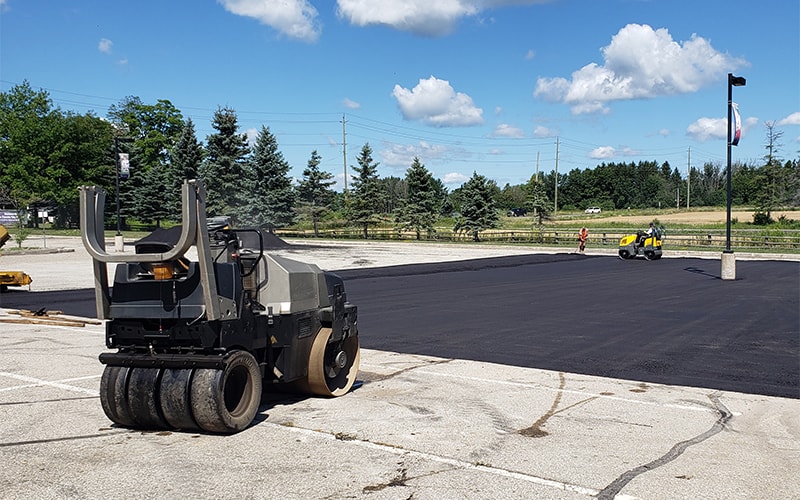
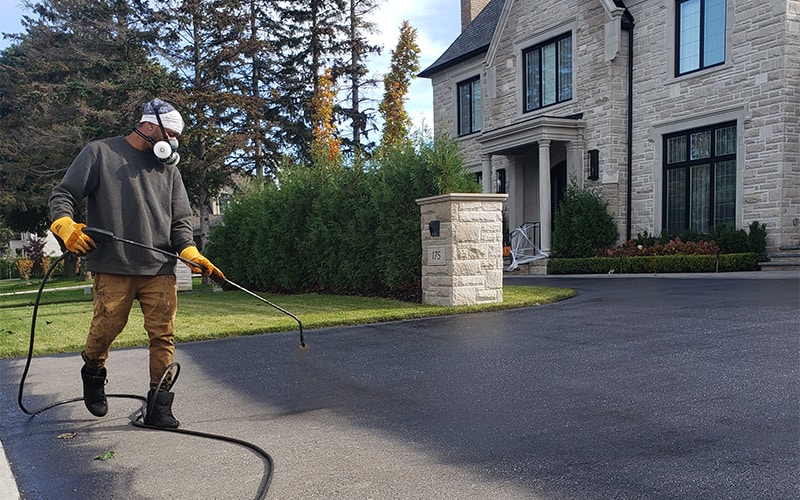
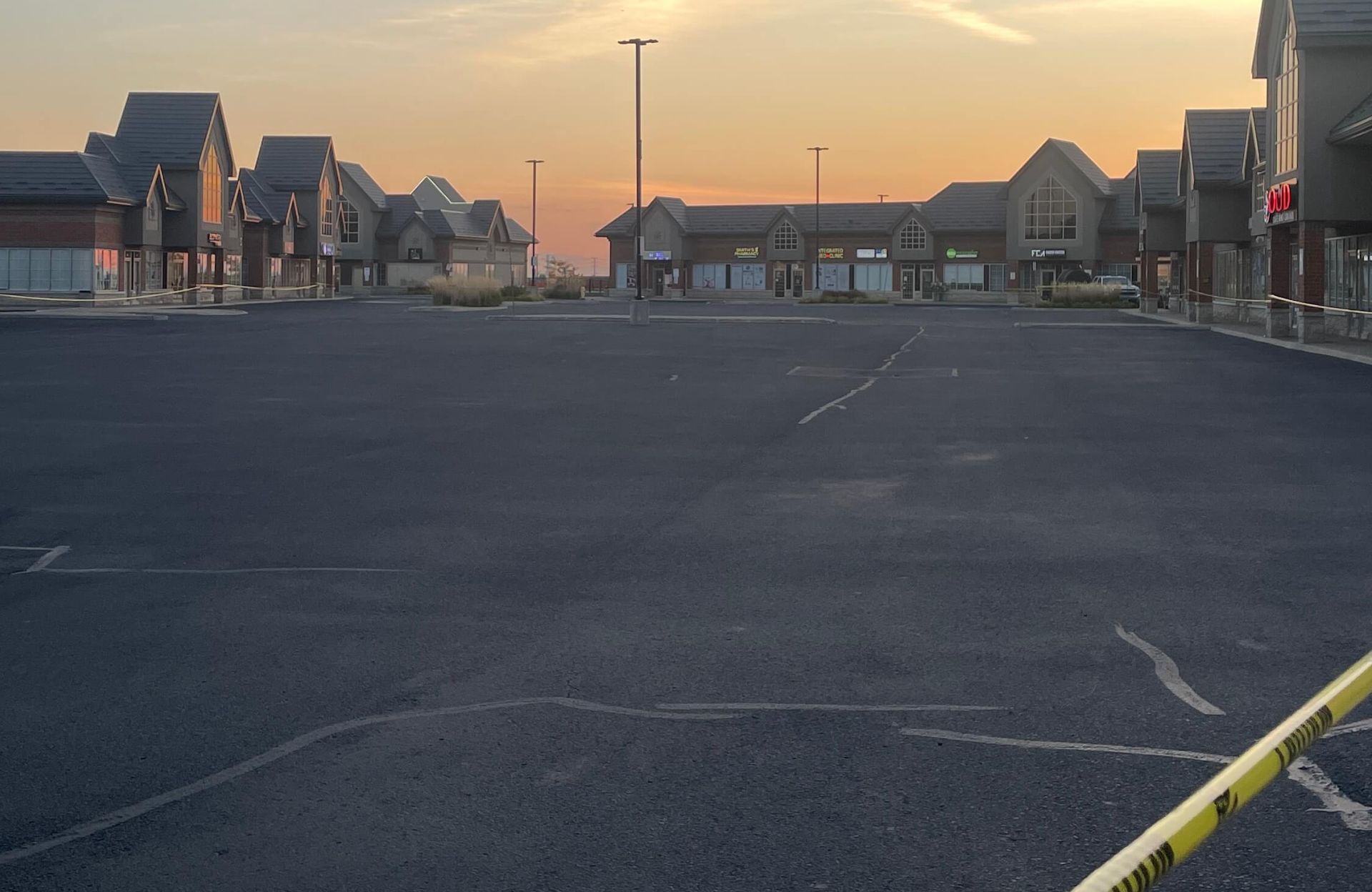
A cracked, crumbling lot tells visitors the property is not being looked after. Crack sealing on its own leaves visible sealant lines. Paired with parking lot sealcoating, it gives the lot a clean, uniform, well-maintained finish and adds another layer of protection for pavement longevity.
What Does the Professional Crack Sealing Process Involve?
Good results depend on preparation and the right material. A professional crack sealing job on a commercial lot follows four steps.
1. Assessment and Crack Mapping
The crew walks the lot, maps the cracks and measures their width and depth. Cracks that are narrow and isolated are good candidates for sealing. Wide cracks, alligator cracking or areas where the base has already failed need patching or repair instead, because sealant cannot fix a broken foundation. Getting this call right is what separates useful asphalt maintenance from money spent on the wrong treatment, and it is the first step toward real pavement longevity.
2. Routing and Cleaning
On many commercial jobs, cracks are routed first. A routing machine cuts a clean, uniform channel along the crack so the sealant has more surface to bond to. The crack is then cleaned with compressed air or a hot air lance to remove dirt, loose material, vegetation and moisture. Sealant applied to a dirty or damp crack will not hold, which is why cleaning is never skipped in professional asphalt maintenance.
3. Hot Rubberized Sealant Application
Hot-applied rubberized sealant is heated in a melter and placed into the crack, then shaped flush or slightly over the surface. Rubberized products stay flexible in cold weather, which is why they outlast cold-pour fillers on Ontario lots. The right sealant choice has a direct effect on pavement longevity, so material selection is part of every quote.
4. Curing and Reopening
Hot-applied sealant cures as it cools, so sealed areas can usually reopen to traffic fairly quickly, often within an hour depending on temperature. Cold-pour products take longer. A short reopening window means crack sealing can be scheduled around tenants, deliveries and business hours with minimal disruption.
When Should Crack Sealing Be Part of Your Asphalt Maintenance?
Spring and fall are the best seasons for crack sealing in Ontario. Cracks are partly open in cooler weather, which lets the sealant fill them properly, and fall work seals the pavement before the first freeze. Most commercial lots benefit from an inspection every year and crack sealing every one to three years, depending on age, traffic and how quickly new cracks appear.
Crack sealing should always come before sealcoating. Sealing cracks first keeps water out of the base and gives the sealcoat a sound surface to bond to. Building both into one asphalt maintenance schedule reduces mobilization costs and gets the most pavement longevity from each visit.
Why Property Managers Choose Seal Canada for Crack Sealing
Seal Canada works with property managers, facility managers, condo corporations and commercial owners across Toronto, Vaughan, Mississauga, Markham, Richmond Hill, Barrie and the wider GTA. Our crews handle commercial crack sealing, asphalt repairs, sealcoating and line painting, so one contractor can manage your full asphalt maintenance program.
Every project starts with a free site assessment and a detailed written report that shows where the cracks are, what needs sealing and what needs repair. We schedule around your tenants and operations, respond promptly, and offer 24/7 emergency service when pavement problems cannot wait. The goal is work completed well above industry standards, on time and on budget, with honest advice that protects pavement longevity.
Frequently Asked Questions
1. What is crack sealing?
Crack sealing is the process of cleaning cracks in asphalt and filling them with a flexible, hot-applied rubberized sealant. It blocks water and debris from reaching the base and is a core part of preventive asphalt maintenance.
2. What is the difference between crack sealing and crack filling?
Crack sealing uses flexible, rubberized material, often in routed cracks that move with the seasons. Crack filling uses less flexible material in cracks that move very little. Sealing generally lasts longer on Ontario commercial lots because of freeze-thaw movement.
3. How often should a commercial parking lot be crack sealed?
Most lots should be inspected every year as part of routine asphalt maintenance, with sealing every one to three years depending on age, traffic and climate exposure. New cracks should be addressed before winter.
4. Can all asphalt cracks be sealed?
No. Narrow, isolated cracks are ideal. Wide cracks, alligator cracking and areas with base failure need patching or repair, since sealant cannot restore a damaged base. A site assessment sorts each crack into the right asphalt maintenance category.
5. Does crack sealing extend pavement life?
Yes. By keeping water out of the base, crack sealing slows the main cause of pavement failure in cold climates and delays the need for resurfacing or replacement. That added pavement longevity is the main return on the investment.
Small cracks are the cheapest pavement problem you will ever fix. Book a free site assessment with Seal Canada. A Seal Canada pavement specialist will map your lot’s cracks, flag any repair areas and give you a detailed written report with clear recommendations for crack sealing and long-term asphalt maintenance.
Key Takeaways
• Every pothole starts as a crack, and Ontario freeze-thaw cycles turn small cracks into failures fast.
• Crack sealing keeps water out of the base, which is the single biggest factor in pavement longevity.
• Sealing costs a fraction of patching, resurfacing or replacement and keeps budgets predictable.
• Routing, cleaning and hot rubberized sealant give the longest-lasting results on commercial lots.
• Schedule asphalt maintenance so cracks are sealed in spring or fall, always before sealcoating.