Parking lot security is a growing concern for commercial property owners across Canada, where inadequate lighting, poor access control, and lack of monitoring leave assets vulnerable. This guide covers the key technologies and surface-level improvements that directly strengthen parking lot security, reduce liability, and build occupant confidence. Addressing both technology and pavement conditions together delivers the most measurable results.
Why Parking Lot Security Deserves a Closer Look
Commercial parking lots handle hundreds to thousands of vehicle movements daily. They are accessible, often underlit, and rarely staffed around the clock. That combination creates consistent vulnerability. Theft, vandalism, unauthorized access, and slip-and-fall incidents are all more likely to occur in poorly managed parking environments.
Property managers and commercial operators who invest in both technology and surface quality see measurable improvements in parking lot security outcomes. The surface itself plays a more significant role than most realize. Uneven pavement, cracked asphalt, and poor drainage create hazards that compound security risks.
Understanding the Core Challenges in Parking Lot Security
Before selecting any technology solution, it helps to understand what makes parking lot security difficult to maintain. The most persistent issues include:
- Inconsistent lighting that creates blind spots and reduces camera clarity
- Damaged or unmarked pavement that confuses traffic flow and creates slip hazards
- Unauthorized access due to absent or malfunctioning barriers
- Delayed incident response because monitoring is passive or off-site
- Poor stormwater drainage causing surface deterioration and visibility issues
Each of these factors contributes to a less secure environment. Addressing them requires both technology and a well-maintained physical surface. Committing to consistent commercial parking lot maintenance reduces these risks before they escalate into costly incidents.
Surveillance Systems That Strengthen Parking Lot Security
Modern parking lot surveillance is the backbone of any parking lot security strategy. High-definition cameras with 360-degree coverage eliminate the blind spots that older systems leave behind. When footage is sharp and comprehensive, it deters criminal activity before incidents occur and provides actionable evidence when they do.
Key features worth prioritizing in a parking lot surveillance camera system include:
- High-definition resolution capable of capturing license plates and facial detail in low light
- Wide-angle or PTZ (pan-tilt-zoom) configurations for flexible coverage
- Cloud-based remote access so property managers can monitor activity from any location
- Motion-triggered recording that reduces storage costs and highlights events automatically
For properties undergoing surface work, camera placement should be considered during the layout phase. Seal Canada’s commercial paving services include layout planning that accounts for sightlines, lighting placement, and traffic flow, all of which affect camera effectiveness.
Access Control as a Foundational Layer of Parking Lot Security
Unauthorized access is one of the most preventable parking lot security risks. Automated barriers, license plate recognition (LPR) systems, and visitor management platforms all work together to create a controlled entry and exit environment. Installing robust access control systems is one of the highest-return investments a commercial property can make.
License plate recognition technology has become particularly reliable. It logs every vehicle entering and exiting, flags plates against a watchlist, and reduces the need for manned booths. Combined with automated gates, it creates a parking lot security layer that operates continuously without additional staffing.
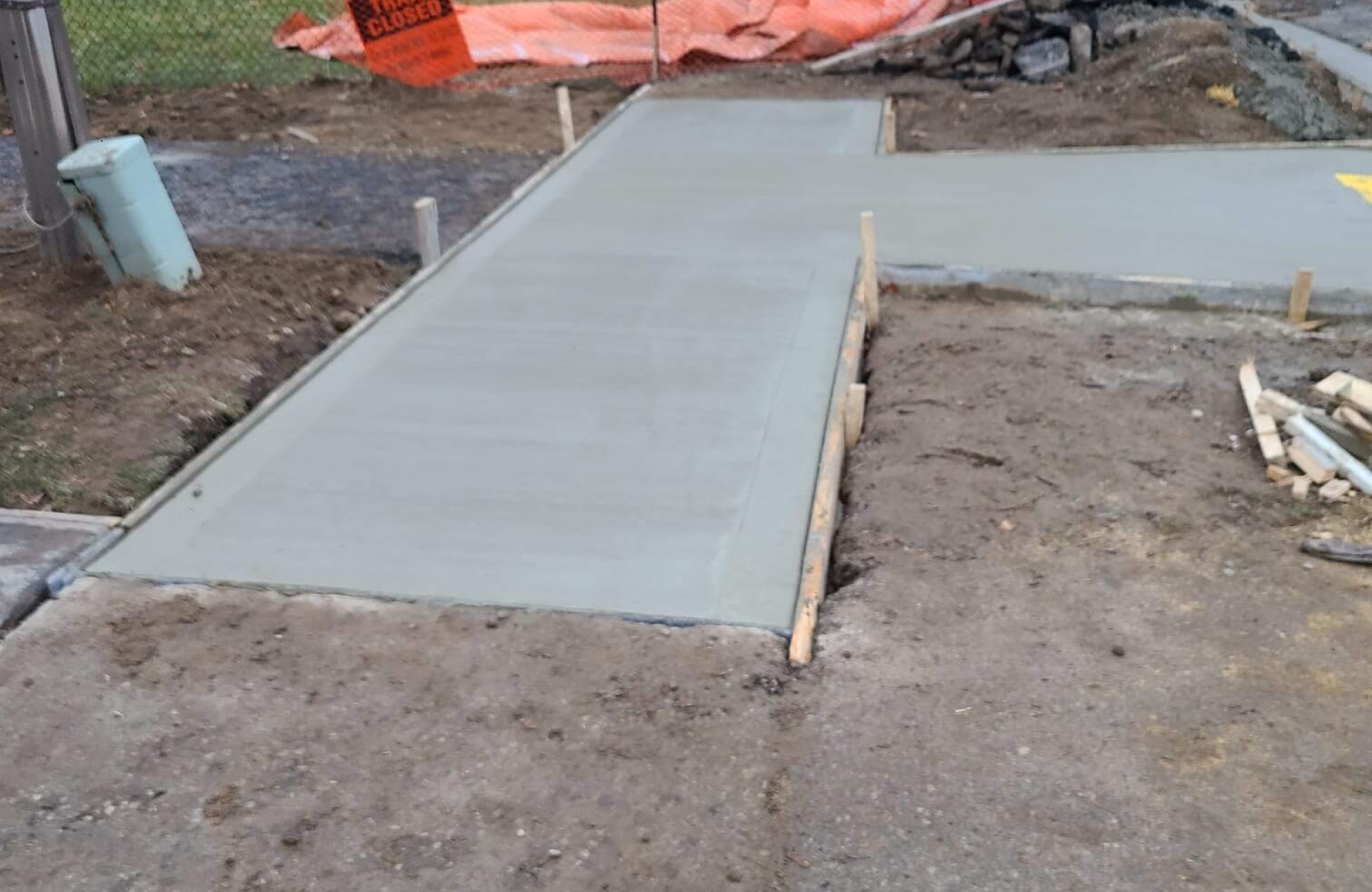
Pavement condition matters here too. Gates and barrier systems require level, well-drained surfaces to operate reliably. Properties with aging pavement benefit from asphalt resurfacing before installing permanent access control infrastructure, preventing costly rework later.
Lighting Solutions That Directly Improve Parking Lot Security
Inadequate lighting is the single most common contributing factor to parking lot security incidents. Poor illumination reduces camera effectiveness, increases pedestrian risk, and emboldens criminal activity. LED lighting upgrades for parking lots address all three concerns at once.
LED fixtures provide consistent, high-output illumination across the full lot surface. Motion-activated zones create dynamic responses to activity after hours, which both conserves energy and signals that the area is monitored. Smart lighting systems integrated with access control allow property managers to respond to alerts by triggering additional lighting in specific zones.
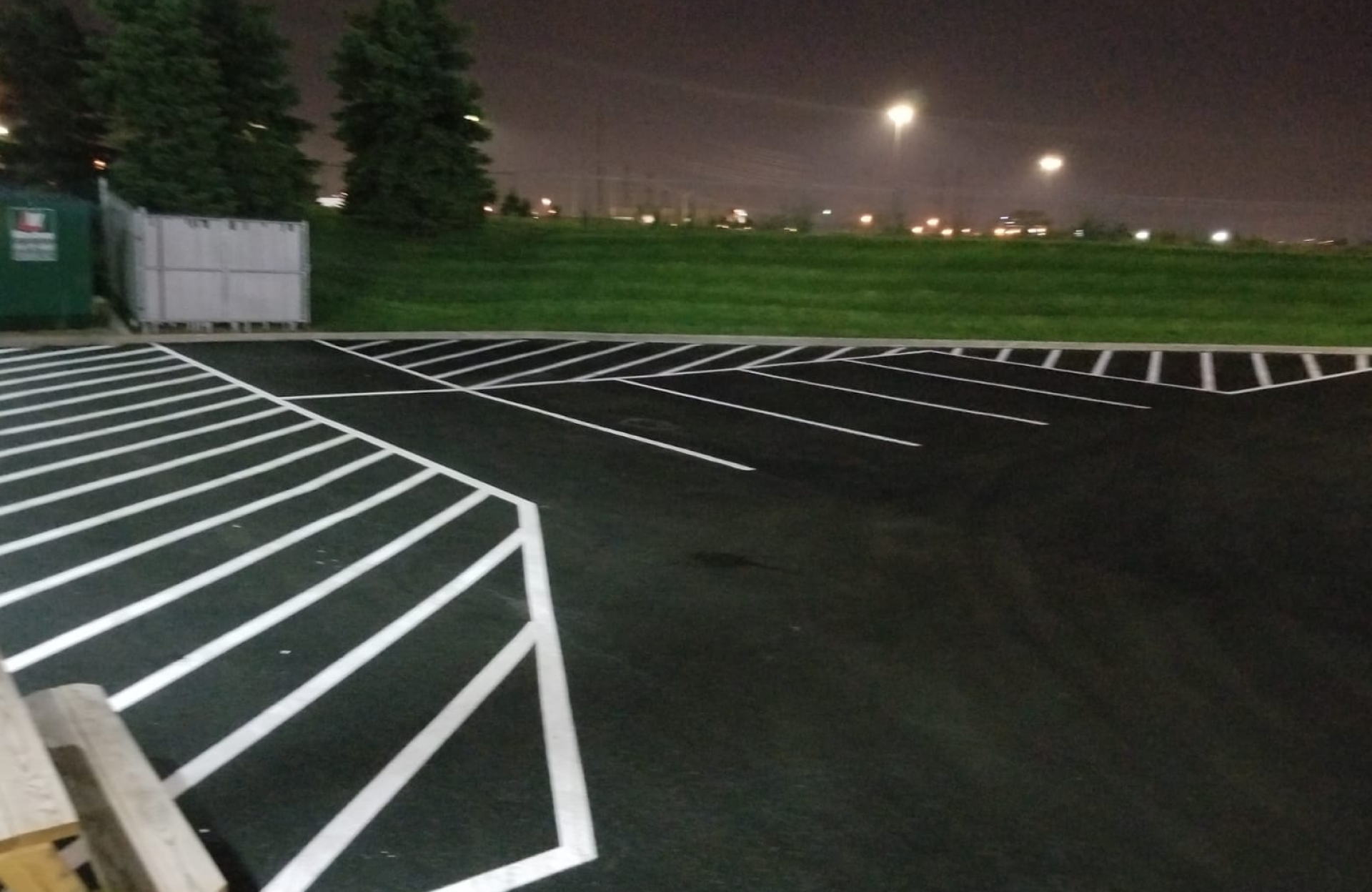
Lighting should be positioned in coordination with surface markings. Clearly painted pedestrian pathways, directional arrows, and accessible parking designations all become more visible and effective under proper illumination. Seal Canada’s parking lot striping team coordinates surface layout with line painting to maximize both traffic safety and the visibility that supports parking lot security goals.
The Surface Connection: How Pavement Condition Affects Parking Lot Security
Surface deterioration is often overlooked in parking lot security discussions, but its impact is real. Cracked asphalt creates tripping hazards that generate liability claims. Faded line markings lead to traffic conflicts and pedestrian risk. Poor drainage causes water pooling that deteriorates both the surface and the equipment mounted on it.
A parking lot security plan that does not account for pavement health is incomplete. The physical environment either supports or undermines every technology deployed within it. Routine commercial parking lot maintenance keeps these vulnerabilities under control.
- Asphalt crack sealing prevents surface degradation that creates hazards and reduces marking visibility
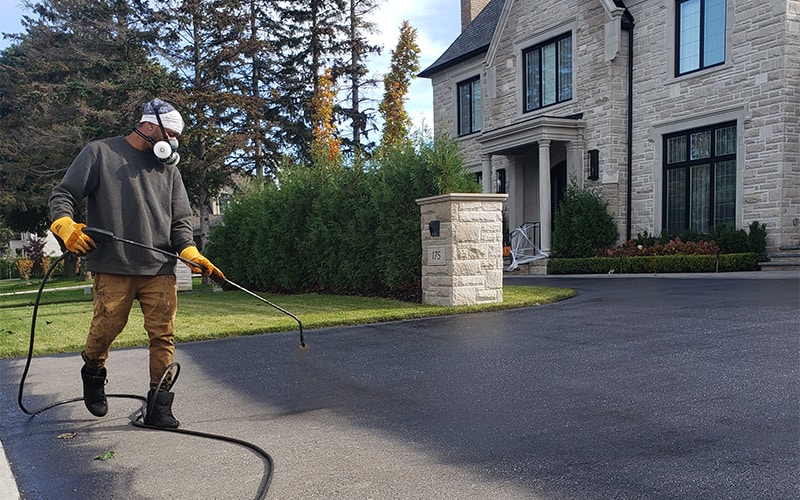
- Asphalt sealcoating extends pavement life and maintains a clean, clearly visible surface
- Line repainting reinforces traffic flow, pedestrian zones, and accessible parking compliance as outlined by Transport Canada regulations
- Drainage improvements prevent water damage to both the surface and installed security hardware
For properties managing active parking lot security concerns, crack sealing and asphalt sealcoating are cost-effective first steps before investing in new surveillance or access technology.
Monitoring, Response, and Integration for Parking Lot Security
Technology only delivers results when paired with a clear response protocol. Real-time monitoring through mobile-connected platforms allows security personnel or property managers to receive alerts and review footage instantly. Alarm systems integrated with surveillance and access control create a layered response that reduces incident escalation.
Incident reporting software plays a supporting role by documenting events, tracking patterns, and improving long-term parking lot security planning. Over time, data from these systems helps identify recurring vulnerabilities and justify capital investment. The Canadian Centre for Occupational Health and Safety provides guidance on workplace safety environments, including parking area risk assessments.
Case Studies in Commercial Parking Lot Security
Retail Shopping Centre: Technology and Surface Upgrade Combined
A retail property in Southern Ontario upgraded its parking lot security by combining high-definition camera installation with a full asphalt sealcoating and line-repainting program. Incident reports dropped significantly in the 12 months following the upgrade, and customer satisfaction scores related to property safety improved in tenant surveys.
Corporate Campus: LPR and Access Control with Pavement Repairs
A multi-building corporate campus addressed unauthorized vehicle access through LPR-integrated barrier gates. Before installation, the property completed targeted asphalt patching and crack sealing to prepare the surface for equipment anchoring. The combined investment resolved both the access vulnerability and the ongoing liability exposure from surface hazards.
What the Future Holds for Parking Lot Security Technology
AI-driven video analytics are already changing how surveillance systems identify threats. Rather than relying on human review of footage after the fact, these systems flag suspicious activity in real time. Integrated with access control, they can trigger automated responses such as gate closure or lighting activation.
As electric vehicle adoption grows, parking lot security planning will increasingly incorporate EV charging infrastructure protection. Charging stations are high-value targets and require both physical access control and dedicated surveillance. The National Parking Association offers industry standards and emerging best practices for technology integration in commercial lots.
Autonomous parking systems present another emerging consideration. As these technologies become more common in Canadian commercial properties, parking lot security frameworks will need to account for both vehicle and data protection.
How Seal Canada Supports Safer Commercial Parking Environments
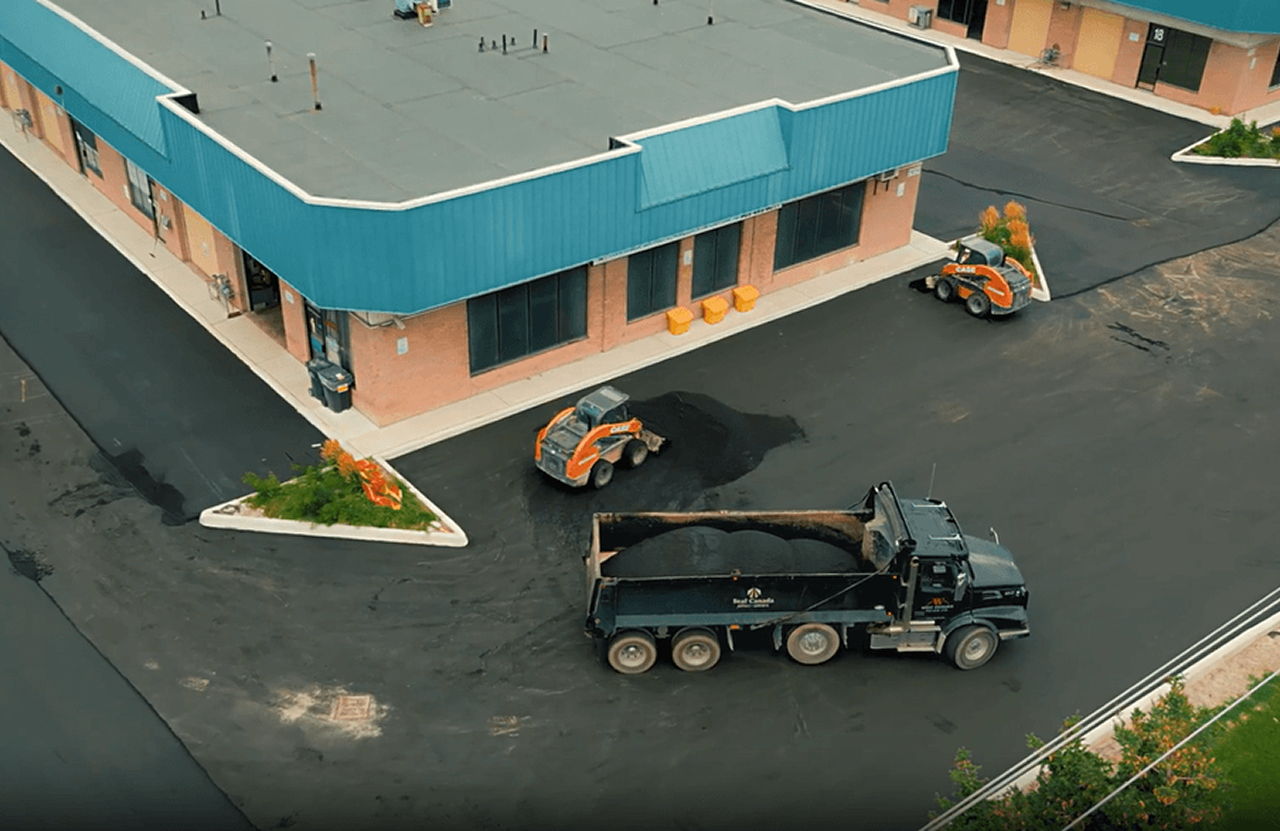
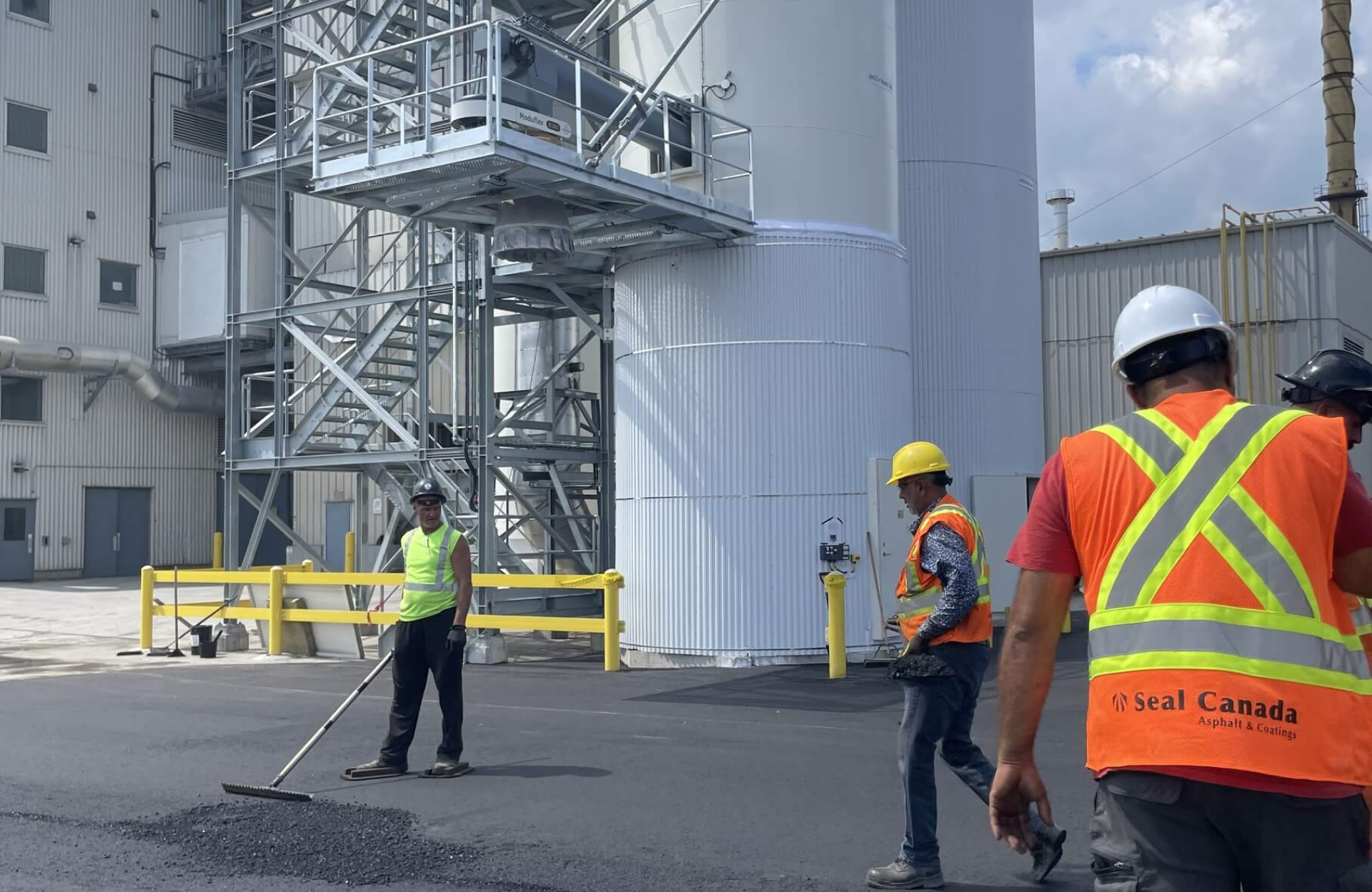
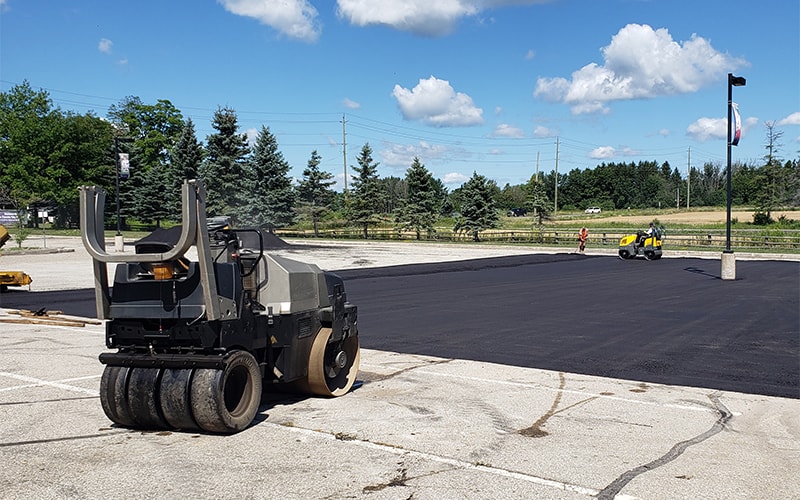
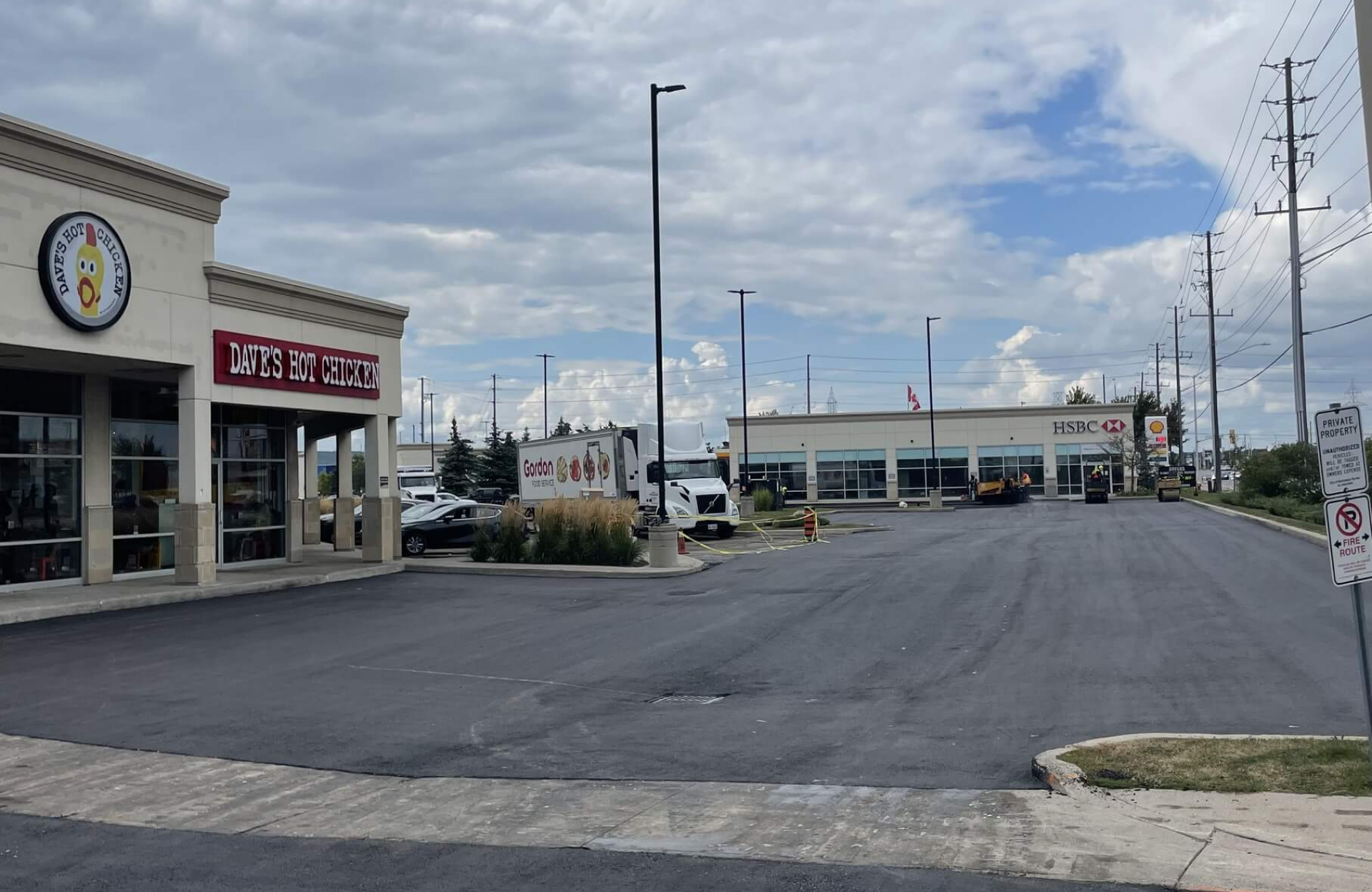
Seal Canada delivers the surface foundation that parking lot security technology depends on. Our commercial paving services cover everything from new asphalt installation to crack sealing, sealcoating, line painting, and drainage improvements across commercial, industrial, and municipal properties in Ontario.
Our team works with property managers and facility directors to assess surface condition, identify safety risks, and complete work on schedule with minimal disruption to operations. Every project is backed by detailed proposals, quality workmanship, and responsive follow-up.
Whether your property needs a full resurfacing program or targeted repairs ahead of a parking lot security upgrade, contact Seal Canada for a free site assessment today.
Frequently Asked Questions
1. What is the most effective technology for improving parking lot security?
High-definition surveillance cameras combined with license plate recognition and automated access control deliver the strongest results. The combination of continuous monitoring, vehicle logging, and restricted entry addresses the most common parking lot security vulnerabilities simultaneously.
2. How does pavement condition affect parking lot security?
Deteriorated pavement creates tripping hazards, reduces marking visibility, and destabilizes equipment foundations. Properties with cracked asphalt, faded line markings, or poor drainage face compounding liability risks that weaken the overall parking lot security environment. Investing in commercial parking lot maintenance resolves these issues cost-effectively.
3. What role does lighting play in parking lot security?
Lighting is the most immediately impactful parking lot security improvement a property can make. Well-lit environments reduce criminal activity, improve camera image quality, and increase pedestrian safety. Motion-activated LED lighting systems offer both energy efficiency and responsive coverage for after-hours activity.
4. How often should a commercial parking lot be resealed to maintain safety?
Most commercial properties benefit from asphalt sealcoating every two to three years, depending on traffic volume and climate exposure. Regular sealcoating preserves surface integrity, maintains marking visibility, and supports the physical conditions that parking lot security technology relies on.
5. Should parking lot security planning happen before or after pavement work?
Ideally, both are planned together. Camera mounting locations, gate positions, and lighting fixtures all need to be anchored into stable, level surfaces. Completing asphalt repairs, crack sealing, or resurfacing before permanent equipment installation prevents rework and ensures equipment performs as designed.
Key Takeaways
- Parking lot security depends on both technology and physical surface condition working together
- High-definition surveillance and LPR-based access control systems are the most effective technology investments
- LED lighting upgrades improve camera performance and reduce criminal opportunity
- Cracked asphalt, poor drainage, and faded markings compound parking lot security risks
- Asphalt sealcoating, crack sealing, and line repainting are cost-effective precursors to any security technology rollout
- AI-driven analytics and EV infrastructure protection represent the next phase of parking lot security planning