The Evolution of Sustainable Paving Materials in Commercial Construction
In the world of commercial construction, paving plays an essential role in creating safe, durable, and visually appealing surfaces. From driveways to parking lots, the right paving material can make a significant difference in the overall look and functionality of a property. However, with growing concerns about the environment and the impact of construction on the planet, sustainable paving materials have become more popular than ever.
In this blog, we will explore the history and evolution of sustainable paving materials in commercial construction. From early innovations to the latest eco-friendly paving solutions, we will take a closer look at how the industry has changed over the years and what lies ahead for sustainable paving in the future.
Early Innovations in Sustainable Paving
The history of sustainable paving materials dates back to the early 20th century, when the first eco-friendly paving options were introduced. Some of the early innovations include permeable paving, which allows water to pass through the surface and reduces stormwater runoff, and recycled asphalt pavement (RAP), which uses recycled asphalt as a primary material.
As the demand for sustainable paving solutions grew, more and more eco-friendly options became available. For example, rubberized asphalt paving, which uses recycled rubber from tires as an additive, became a popular choice for its durability and noise reduction properties.
The Emergence of Eco-Friendly Paving Solutions
In recent decades, the industry has seen a significant shift toward eco-friendly paving solutions. One of the most notable developments is the introduction of porous asphalt, which allows water to pass through the pavement and recharge groundwater resources. Another popular option is the use of recycled materials in paving, such as recycled concrete and asphalt.
Additionally, the use of solar panels on parking lots has become more common in recent years. Solar parking lots use photovoltaic panels to generate electricity, which can then be used to power nearby buildings or the parking lot itself.
The Latest in Sustainable Paving Solutions
The latest innovations in sustainable paving solutions are focused on reducing the environmental impact of construction projects even further. Some of the most exciting developments in this area include:
Permeable Interlocking Concrete Pavement (PICP)
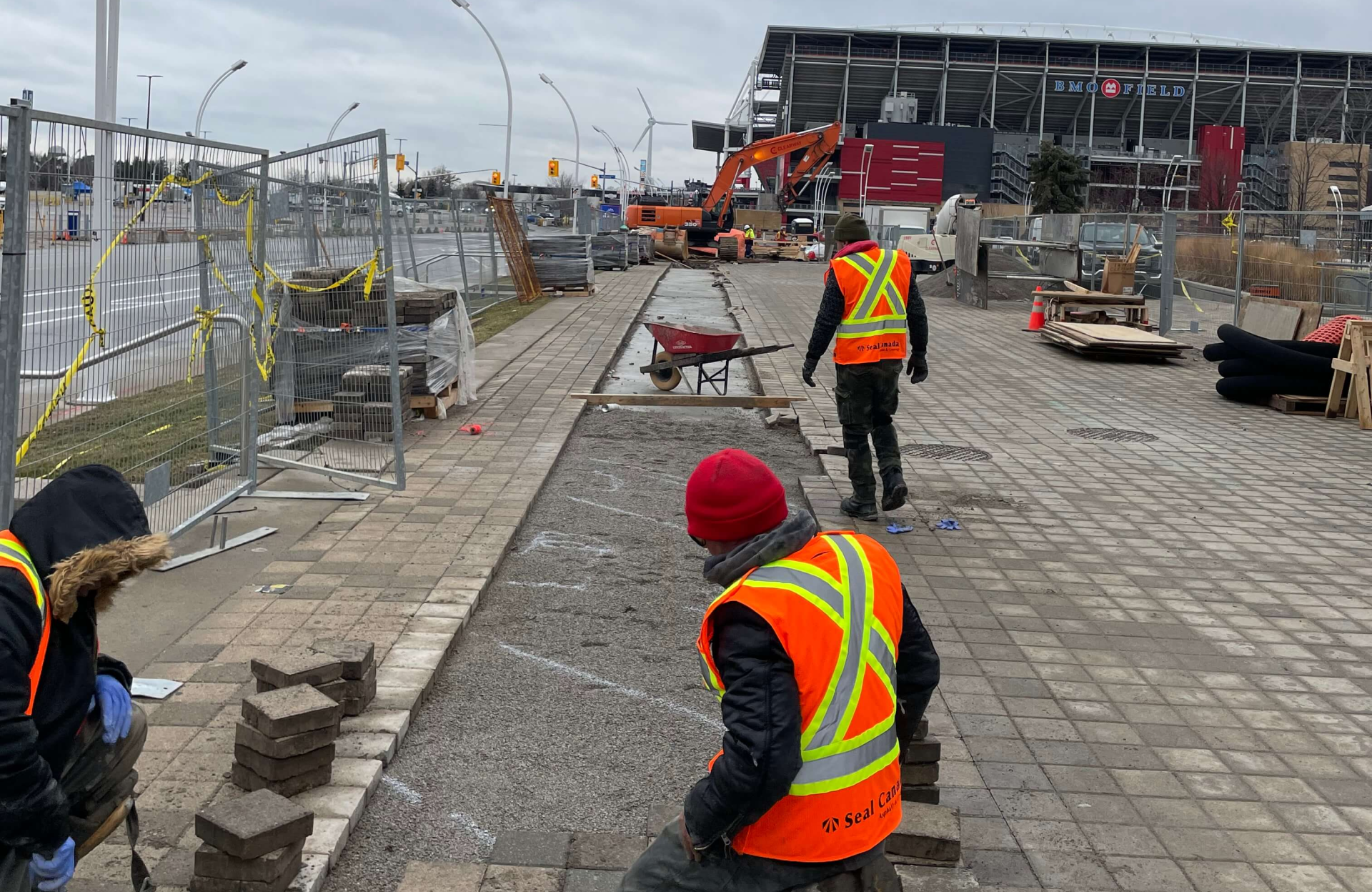
PICP is a type of paving that allows water to pass through the surface and recharge groundwater resources. It is made of individual concrete blocks that are designed to interlock with each other, creating a durable and eco-friendly surface.
Solar Pavements
Solar pavements are made of photovoltaic panels that generate electricity when exposed to sunlight. They can be used on parking lots, driveways, and other surfaces to generate clean energy.
Cool Pavements
Cool pavements are designed to reflect more sunlight and absorb less heat than traditional paving materials. This helps to reduce the urban heat island effect and can also lower energy costs for nearby buildings.
Biodegradable Paving Materials
Biodegradable paving materials are made of natural and renewable resources that can break down over time. They are an excellent option for areas where traditional paving materials would be challenging to remove or recycle.
The Future of Sustainable Paving
The future of sustainable paving in commercial construction looks promising. As the industry continues to innovate and develop new eco-friendly solutions, we can expect to see even more sustainable paving options in the years to come.
Some of the exciting developments on the horizon include self-healing materials, advanced recycling techniques, and new materials that can capture and store carbon dioxide.
Conclusion
The evolution of sustainable paving materials in commercial construction has come a long way since the early 20th century. From early innovations to the latest eco-friendly solutions, the industry has made significant strides in developing sustainable paving materials that reduce the environmental impact of construction projects.
As the demand for eco-friendly solutions continues to grow, we can expect to see even more sustainable paving options in the years to come. By choosing sustainable paving materials for your commercial construction projects, you can help reduce your environmental footprint and contribute to a more sustainable future.
For more information about sustainable paving solutions, contact Seal Canada today. We are experts in the field and can help you find the right paving materials for your project.
Frequently Asked Questions About Sustainable Paving Materials
Sustainable paving materials are eco-friendly paving solutions designed to reduce environmental impact while maintaining durability and performance in commercial construction projects.
They help lower environmental impact, improve stormwater management, reduce heat absorption, and support long-term durability in commercial construction environments.
Common options include permeable paving, recycled asphalt pavement, porous asphalt, permeable interlocking concrete pavement, and cool pavements.
Many sustainable paving materials use advanced designs and recycled components that improve load distribution, reduce cracking, and extend pavement lifespan.
Yes, while upfront costs may vary, sustainable paving materials often reduce long-term maintenance, water management costs, and energy usage.
Sustainable paving materials are widely used in commercial parking lots, driveways, and walkways due to their durability and environmental benefits.
Yes, Seal Canada offers expert guidance and installation of sustainable paving materials tailored to commercial construction project requirements.
Key Takeaways
- Sustainable paving materials reduce environmental impact
- Eco-friendly paving solutions improve durability and performance
- Permeable systems support stormwater management
- Recycled materials lower long-term construction costs
- Innovation continues to shape sustainable commercial paving