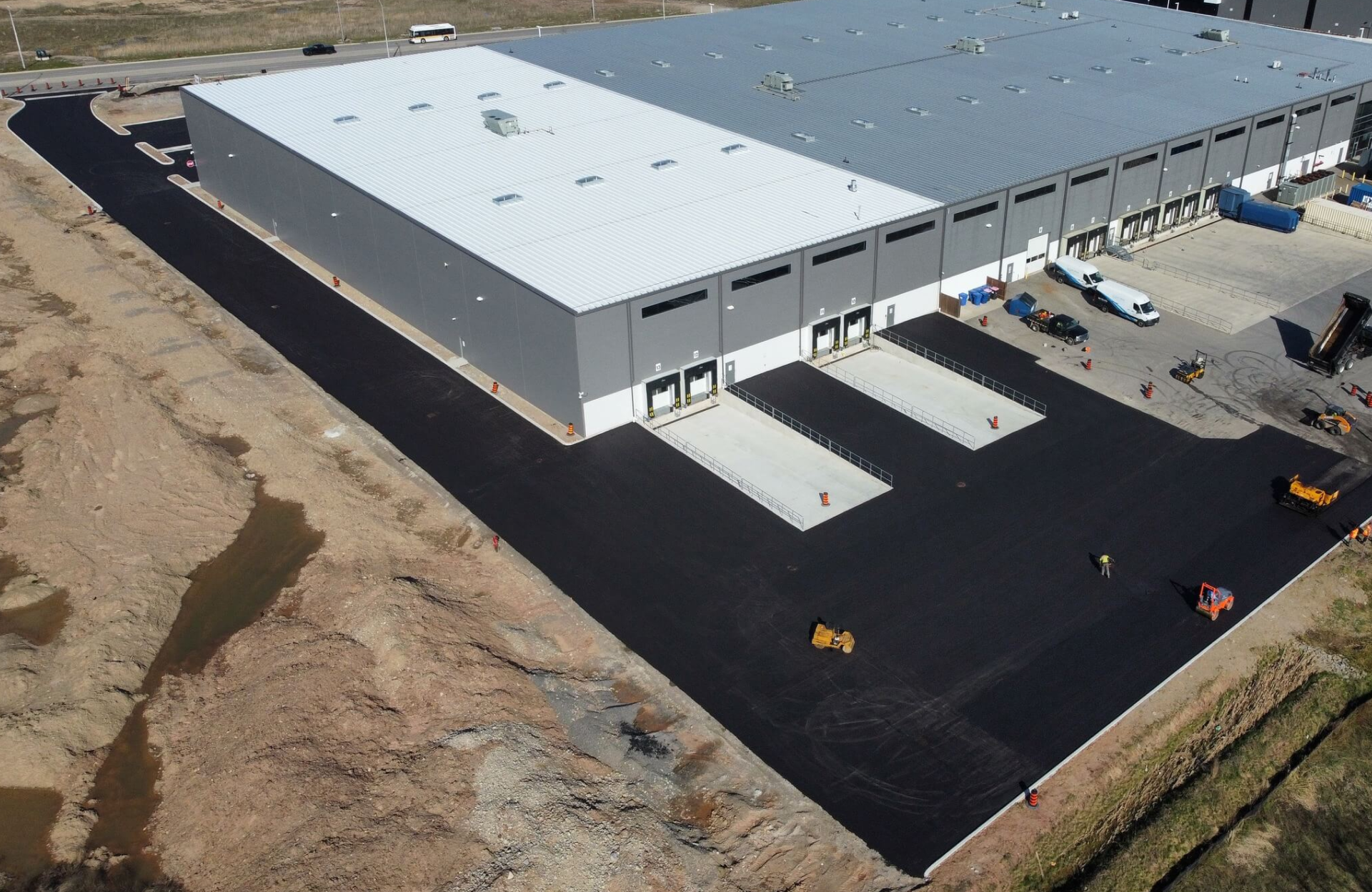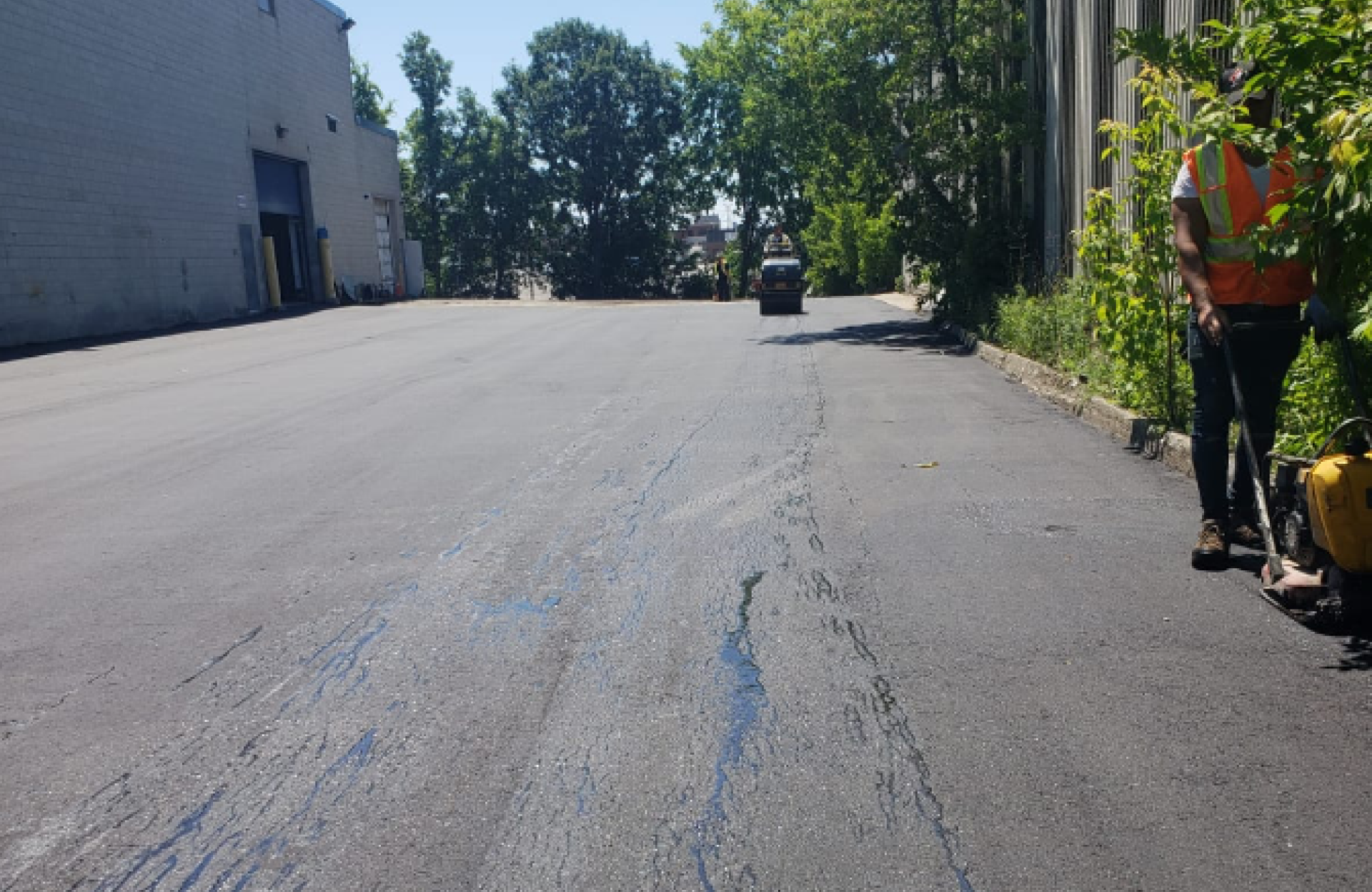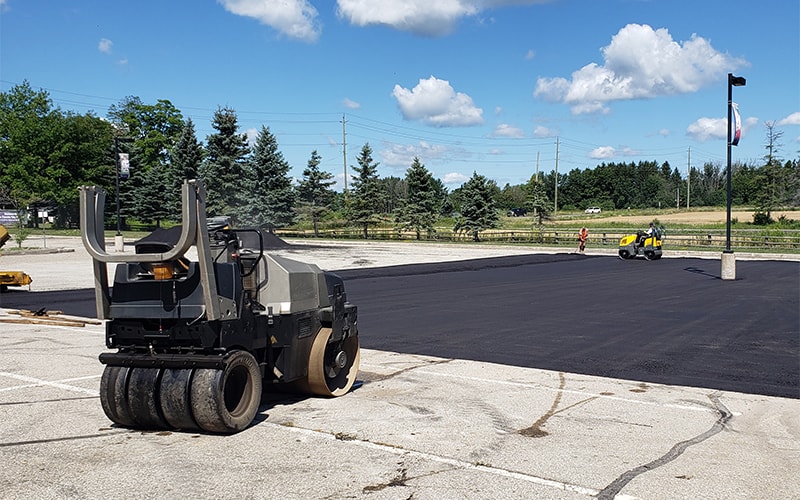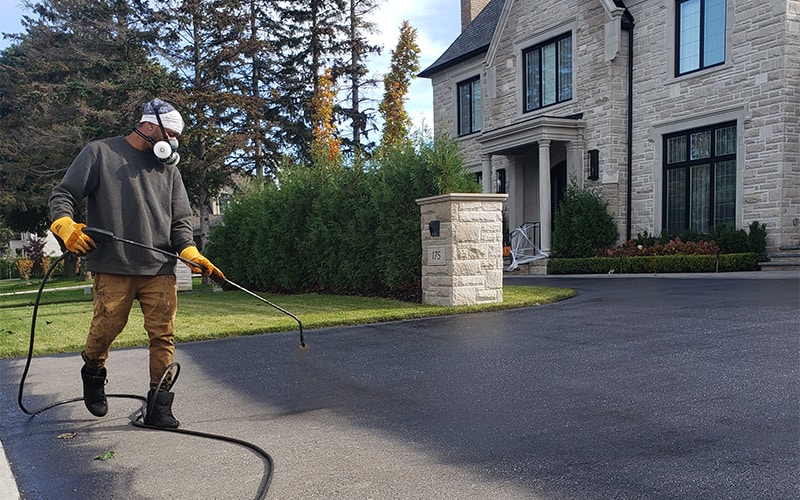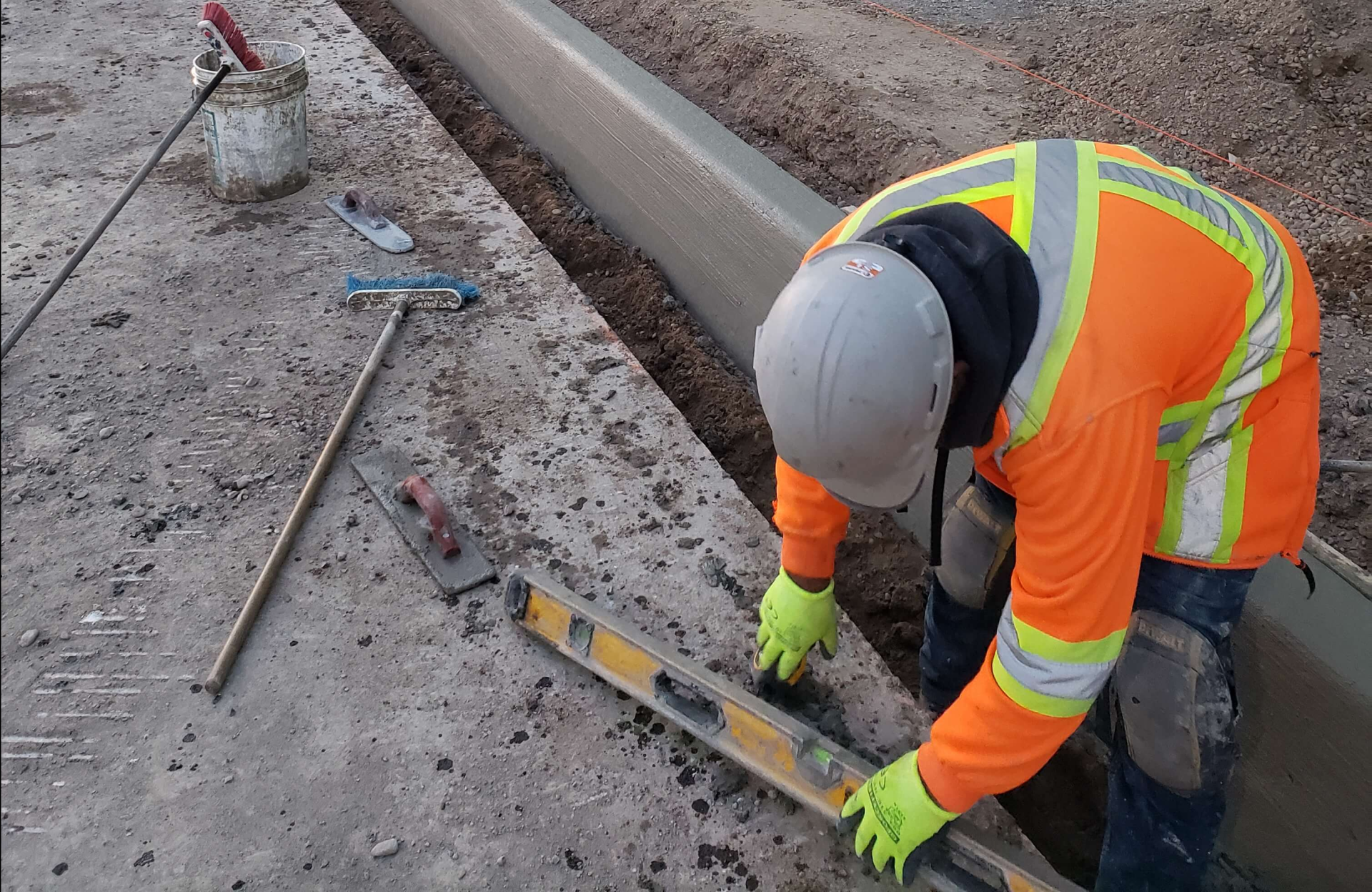
Asphalt overlay and asphalt replacement are two common methods used for restoring and maintaining asphalt pavements. While both methods have their benefits and use cases, understanding the key differences between them is essential for property owners or managers who need to make informed decisions about their pavement needs. In this blog, we will explore the main differences between asphalt overlay and asphalt replacement, their benefits, and when to use each method.
Key Differences Between Asphalt Overlay and Asphalt Replacement
Asphalt Overlay
Asphalt overlay involves applying a new layer of asphalt over an existing pavement surface. This method is typically used when the existing pavement is in relatively good condition, but it requires minor repairs or maintenance to improve its appearance and functionality.
Benefits of Asphalt Overlay
Asphalt overlay has several benefits that make it an attractive option for many property owners and managers. Some of the key benefits include:
Cost-effective: Asphalt overlay is generally more affordable than a full replacement, as it requires less labor and materials.
Quick Installation: Asphalt overlay can be installed relatively quickly, resulting in less disruption to business operations and access for customers and employees.
Enhanced Appearance: Asphalt overlay can significantly improve the appearance of an asphalt pavement, providing a smooth and uniform surface that can improve curb appeal.
Extended Pavement Life: Asphalt overlay can extend the life of an existing pavement, delaying the need for a more costly and time-consuming replacement.
Drawbacks of Asphalt Overlay
Despite its many benefits, asphalt overlay has some potential drawbacks that property owners and managers should be aware of. Some of the key drawbacks include:
Limited Structural Improvement: Asphalt overlay does not address any underlying structural issues, such as a compromised base or subgrade. If the existing pavement has significant structural damage, an overlay may not be sufficient to fix the problem.
Height Considerations: Asphalt overlay adds a new layer of asphalt to the pavement surface, which can increase the height of the pavement. This can affect drainage and may require adjustments to curbs, gutters, and other features.
Surface Preparation: Proper surface preparation is essential for a successful asphalt overlay. Any existing cracks, potholes, or drainage issues must be addressed before the new layer is applied.
Asphalt Replacement
Asphalt replacement, as the name suggests, involves the complete removal of the existing asphalt pavement and its replacement with a new asphalt surface. This method is typically used when the existing pavement is severely damaged or has reached the end of its useful life.
Benefits of Asphalt Replacement
Asphalt replacement has several benefits that make it the preferred method in certain situations. Some of the key benefits include:
Comprehensive Solution: Asphalt replacement addresses all underlying issues, including base and subgrade problems, ensuring a stable and durable pavement.
Long-Term Durability: A new asphalt surface provides long-term durability and performance, reducing the need for frequent repairs and maintenance.
Improved Drainage: Asphalt replacement allows for the correction of drainage issues, ensuring proper water flow and preventing future water-related damage.
Customization Options: Asphalt replacement provides property owners and managers with an opportunity to customize the design and layout of the pavement, including changes to parking configurations, accessibility features, and more.
Drawbacks of Asphalt Replacement
While asphalt replacement is a comprehensive solution for pavement issues, it has some potential drawbacks that property owners and managers should be aware of. Some of the key drawbacks include:
Higher Cost: Asphalt replacement is generally more expensive than asphalt overlay due to the labor and materials required for complete removal and installation.
Longer Installation Time: Asphalt replacement takes longer than asphalt overlay, resulting in more significant disruptions to business operations and access for customers and employees.
Environmental Impact: Asphalt replacement involves the removal and disposal of old asphalt, which can have environmental implications. However, recycling options can help mitigate this impact.
Factors to Consider When Choosing Between Asphalt Overlay and Asphalt Replacement
When choosing between asphalt overlay and asphalt replacement, several factors should be considered to determine the best option for a particular pavement. Some of the key factors include:
Condition of Existing Pavement
The condition of the existing pavement is a critical factor in deciding whether to use asphalt overlay or asphalt replacement. Asphalt overlay is suitable for pavements with minor surface issues, such as cracks and surface wear, but no significant structural damage. Asphalt replacement is recommended for pavements with severe structural issues, such as a compromised base or extensive cracking and potholes.
Budget and Cost Considerations
Budget and cost considerations are also important when choosing between asphalt overlay and asphalt replacement. Asphalt overlay is a more cost-effective option for property owners with budget constraints, offering a quick and economical solution. Asphalt replacement has a higher upfront cost but provides long-term durability and reduces the need for frequent repairs.
Desired Longevity and Performance
The desired longevity and performance of the pavement are also important considerations when choosing between asphalt overlay and asphalt replacement. Asphalt overlay provides a temporary solution that extends the life of the existing pavement but may require additional maintenance over time. Asphalt replacement offers a long-term solution with improved durability and performance, reducing the need for future repairs.
Impact on Business Operations
The impact on business operations is an important consideration, especially for commercial properties. Asphalt overlay has a quick installation time, minimizing disruptions and allowing businesses to maintain access for customers and employees. Asphalt replacement has a longer installation time, which may result in more significant disruptions, requiring careful planning and coordination.
Seal Canada’s Services for Asphalt Overlay and Asphalt Replacement
At Seal Canada, we understand the complexities of choosing between asphalt overlay and asphalt replacement and are committed to helping our clients make informed decisions. We offer a range of services for both asphalt overlay and asphalt replacement, including:
Expert asphalt overlay and replacement services, ensuring durable and long-lasting results.
Customized solutions tailored to the specific needs and budgets of our clients.
Preventive maintenance plans to extend the life of the pavement and reduce the need for future repairs.
Asphalt overlay and asphalt replacement are two common methods used for restoring and maintaining asphalt pavements, and they both have their benefits and use cases. Understanding the key differences between the two methods, their benefits, and when to use each is essential for property owners or managers who need to make informed decisions about their pavement needs. At Seal Canada, we are committed to providing expert services and customized solutions to help our clients choose the best paving solution for their properties.
If you need expert guidance on asphalt overlay and asphalt replacement, contact Seal Canada today. Our team of professionals will work with you to develop a tailored solution that meets your specific needs and budget. Whether you need an asphalt overlay, replacement, or preventive maintenance, our team is here to help. Contact us today to schedule a consultation and take the first step toward ensuring the success of your paving project.