Concrete curbs have come a long way thanks to technological and material advancements that improve their performance, appearance, and longevity. From defining property boundaries to improving safety and drainage, modern concrete curbs are essential elements in both commercial and municipal infrastructure. As construction practices evolve, so do the methods and materials used in installing curbs—resulting in more durable, cost-effective, and aesthetically pleasing outcomes. Learn more about the Evolution of Concrete Curb.
From Hand Forming to Machine Extrusion
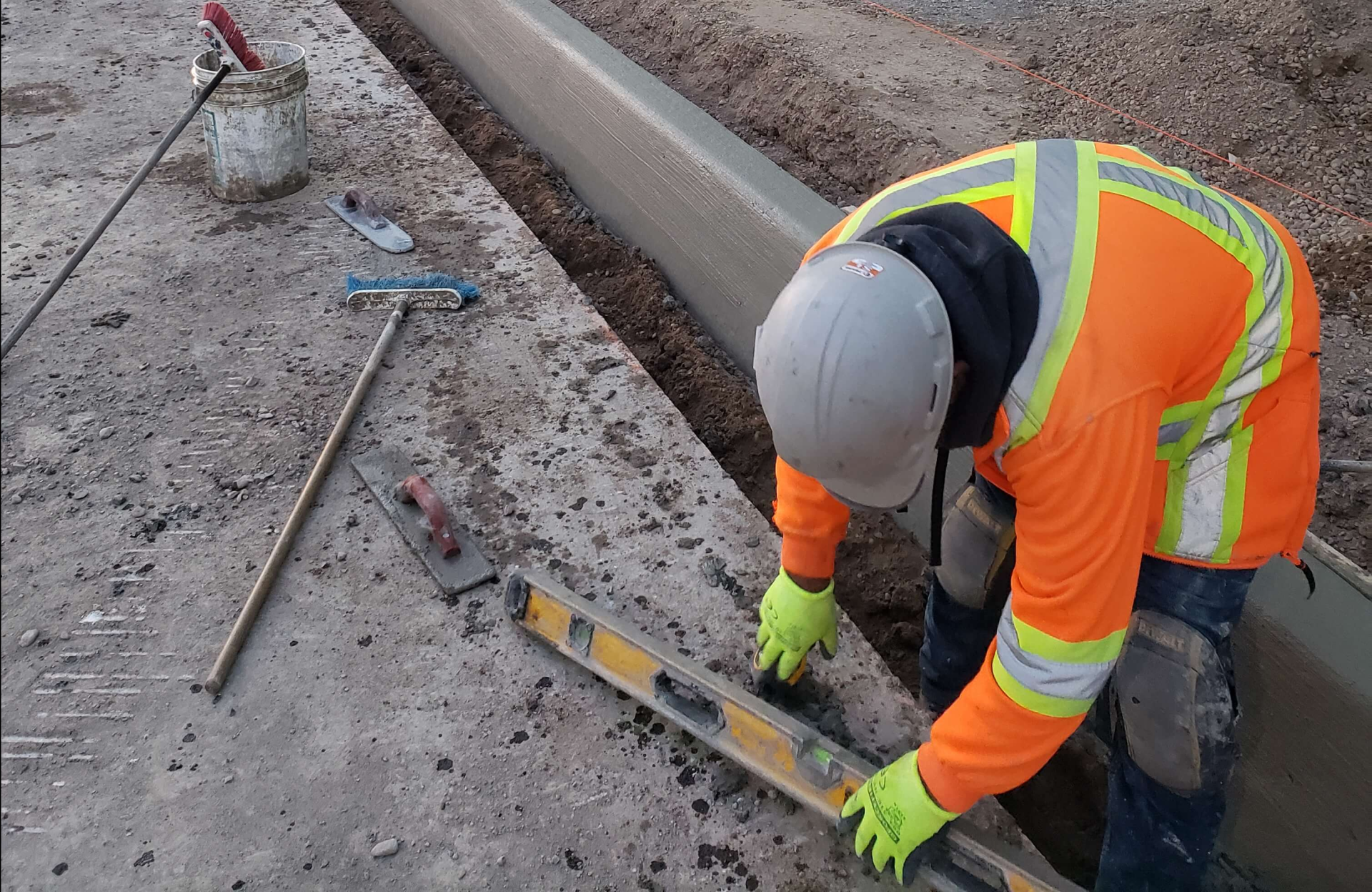
Originally, concrete curbs were shaped manually, a labor-intensive method that led to inconsistencies and slower installations. Today, machine extrusion has become the industry standard. This technology enables continuous, uniform curb placement with greater speed and accuracy. The result is a consistent finish, reduced labor costs, and longer-lasting curbs that require less maintenance over time—an ideal solution for businesses and municipalities alike.
Improved Materials and Mixtures
Modern concrete mixes have been enhanced to boost durability, strength, and weather resistance. Innovations include high-strength concrete for better load support, fiber reinforcement to reduce cracking, and admixtures that improve performance in harsh temperatures. Quick-setting concrete also allows for faster project completion without compromising quality. These enhancements ensure that commercial concrete curbs are better suited to withstand the pressures of industrial and high-traffic environments.
Versatile Design Options
Concrete curbs are no longer purely utilitarian. Today’s commercial curbs are available in a range of finishes, colors, and profiles that can complement a property’s architecture or branding. Popular options include concrete edging pavers for decorative landscaping, stamped concrete for custom textures, and colored concrete for visual contrast. Whether for parking lots, pathways, or landscaped areas, curbs can now contribute to a cohesive and attractive exterior.
Why These Advancements Matter
The evolution of concrete curb technology provides significant benefits to commercial and municipal projects. Modern curbs are faster to install, last longer, and require less maintenance. They also offer better design flexibility and safety features. These improvements contribute to cost savings over the long term and add to the visual and functional value of a property.
The Role of Concrete Curbs in Commercial Properties
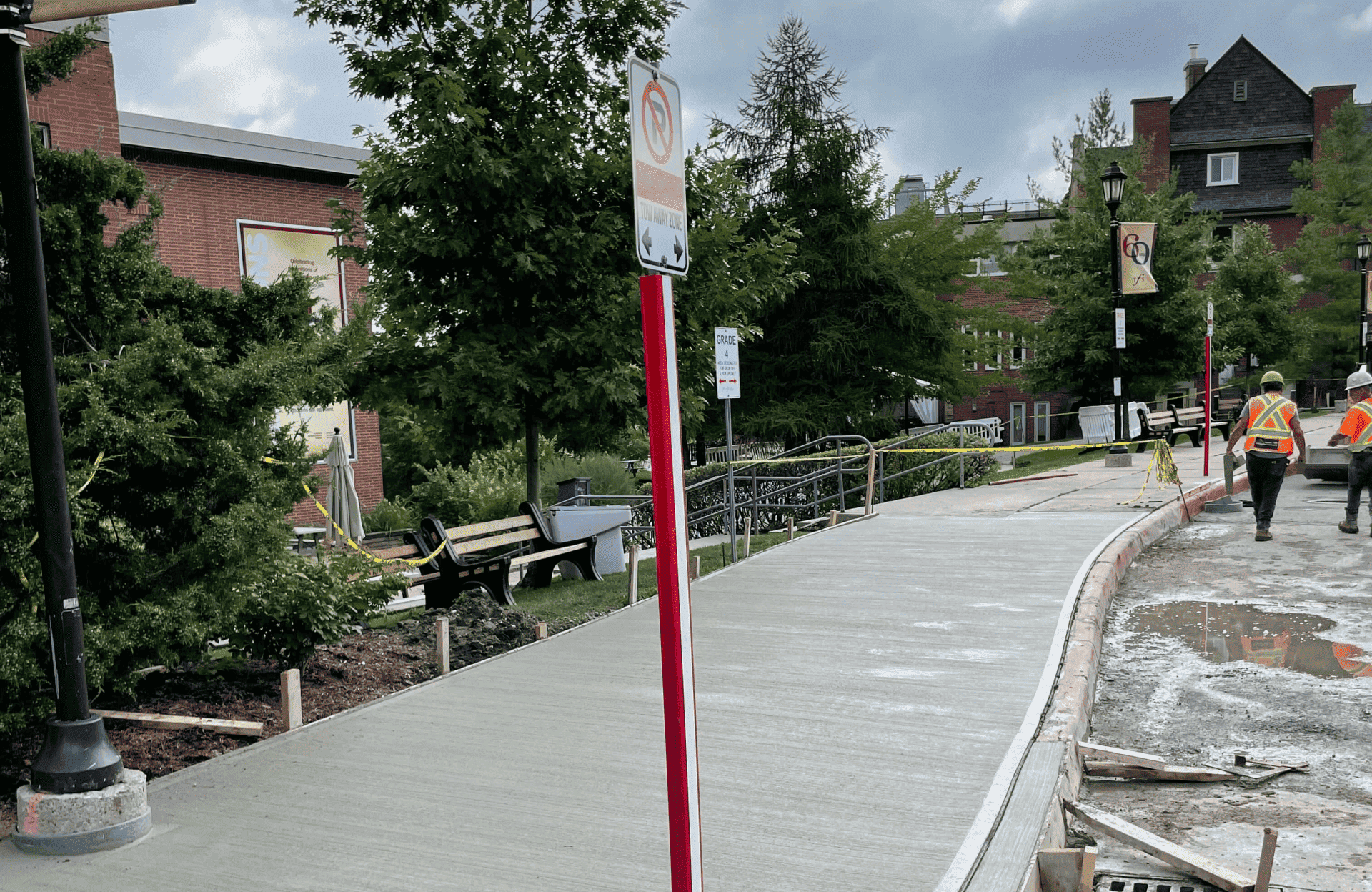
In commercial settings, curbs serve many important functions. They guide traffic flow, define parking and driving areas, protect landscaping, and improve drainage. Curbs also enhance pedestrian safety by establishing clear walkways and buffer zones. When properly installed, they help prevent erosion and vehicle-related damage to infrastructure. For these reasons, concrete curbs are an essential component of commercial site planning and maintenance.
Seal Canada: Your Partner in Concrete Curb Services
Seal Canada specializes in delivering expertly crafted concrete curb solutions tailored to the unique needs of commercial properties. Our services include commercial concrete, asphalt paving, parking lot paving and repair, asphalt sealcoating, concrete edging pavers, and custom concrete curbs. We combine advanced equipment, high-quality materials, and professional expertise to provide durable, attractive, and reliable curb systems throughout Ontario.
Get Expert Concrete Curb Solutions Today
Looking for dependable concrete curb installation or upgrades for your property? Seal Canada offers professional curb services that improve appearance, enhance safety, and ensure long-term performance. Contact us today to get a quote or learn more about how our commercial concrete services can support your project from start to finish. Let Seal Canada help you create lasting curb appeal with modern, high-quality concrete solutions.