When it comes to commercial paving, choosing the right material is critical for long-term performance, cost-efficiency, and appearance. The most common options are commercial asphalt paving vs concrete paving. Each has unique advantages depending on your project’s requirements, timeline, and climate. Here’s a detailed comparison to help you make an informed decision for your property.
Material Composition
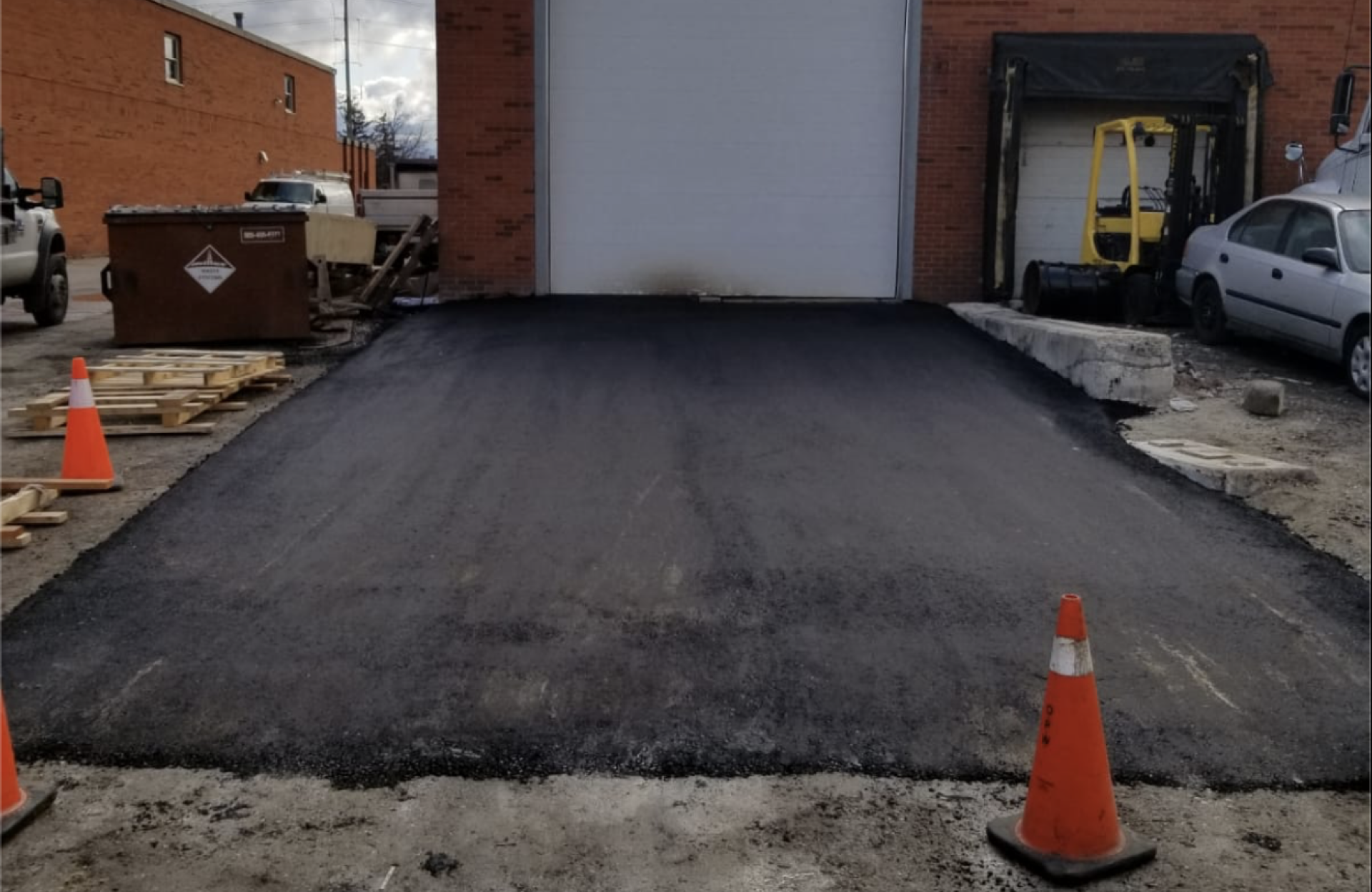
Asphalt paving is made from aggregates like gravel, sand, or crushed stone mixed with bitumen—a petroleum-based binder. The result is a flexible surface that can withstand varying weather conditions. Concrete paving is composed of cement, water, and aggregate, forming a rigid, rock-like surface once it cures. It’s commonly used for high-load commercial areas and offers a strong, long-lasting base.
Installation and Curing Time
Asphalt paving is quicker to install, with surfaces often ready for use within 24 to 48 hours. This is ideal for businesses that require minimal downtime. Concrete paving takes longer to install and cure—typically several days—before it can support heavy traffic. While slower, it offers greater structural integrity once fully set.
Appearance and Aesthetics
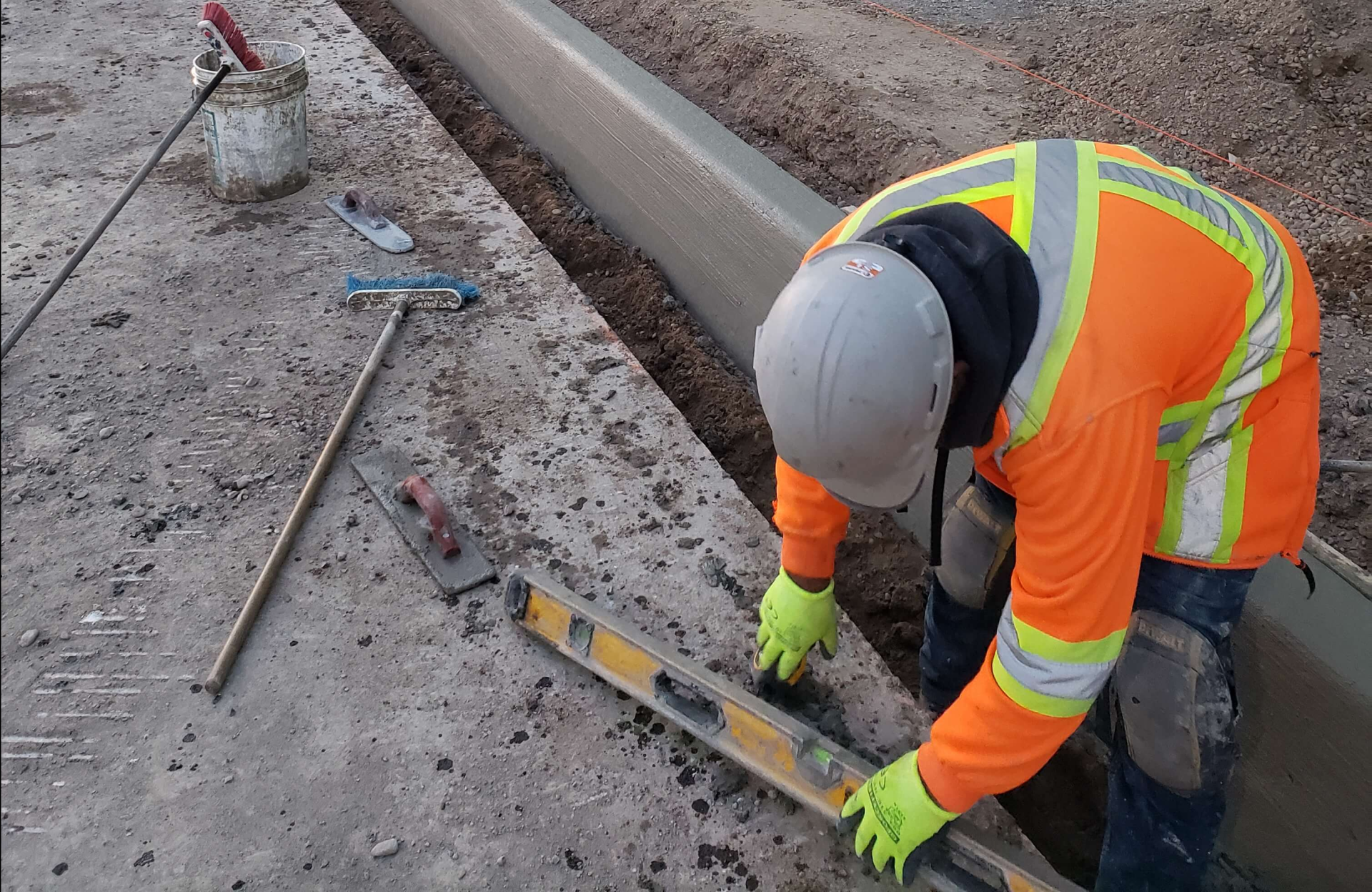
Asphalt has a clean, uniform black finish that delivers a professional look for commercial lots and driveways. Concrete, while naturally gray, can be customized with stains, textures, and stamped finishes. This makes it a preferred option for curbs, sidewalks, and areas where visual appeal is important.
Durability and Lifespan
Asphalt is flexible and adapts well to temperature fluctuations, making it ideal for Ontario’s freeze-thaw climate. It generally lasts 15 to 20 years with routine maintenance. Concrete is more rigid and better suited to handle heavy static loads. It resists heat and abrasion and can last 30 years or more with proper care. However, it is more prone to cracking in colder environments if not properly installed and maintained.
Maintenance and Repair
Commercial asphalt paving requires regular maintenance like sealcoating and crack filling, but repairs are typically fast and cost-effective. Concrete paving requires fewer routine maintenance tasks but is more costly and complex to repair once damaged. When cracks or surface spalling occur, entire sections may need replacement.
Cost Considerations
Asphalt has a lower initial installation cost, making it attractive for budget-conscious projects. Its ongoing maintenance costs are relatively low but frequent. Concrete involves a higher upfront cost but offers long-term savings due to its low maintenance requirements and extended lifespan. It’s a strategic long-term investment for high-load or decorative applications.
Climate Suitability
Asphalt paving performs better in colder climates thanks to its flexibility. It contracts and expands without cracking, making it ideal for Ontario’s winters. Concrete excels in hot climates where its rigidity prevents it from softening or deforming under high temperatures.
Applications for Commercial Properties
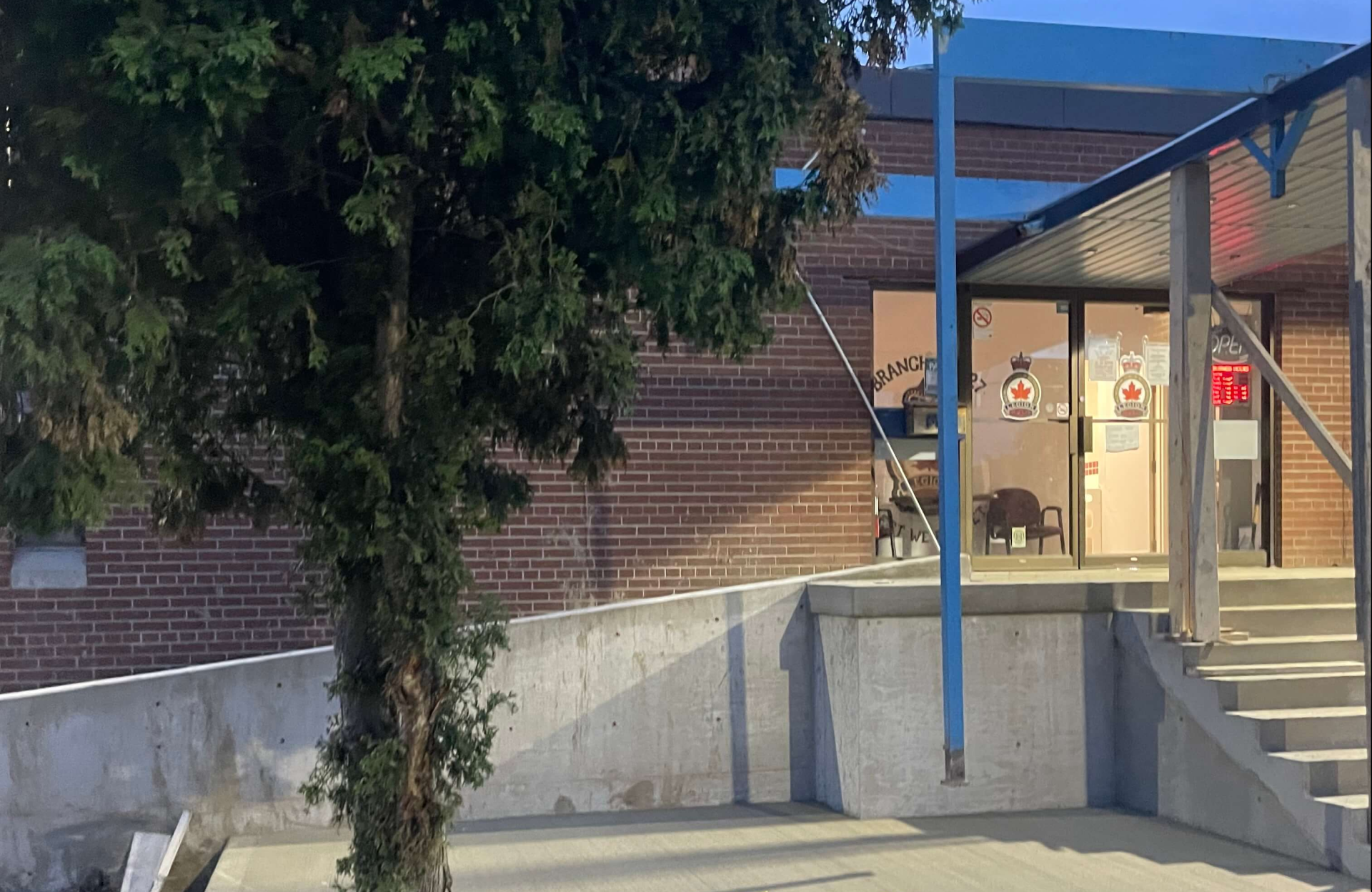
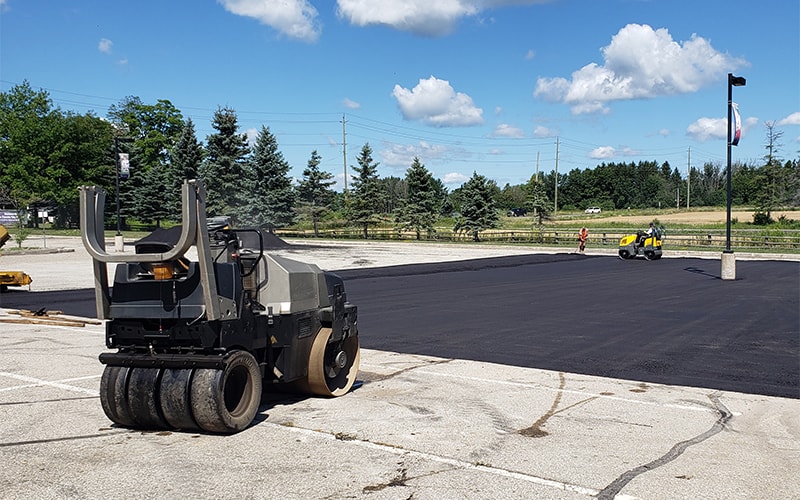
Asphalt is ideal for large-scale parking lot paving, roadways, and areas requiring quick installation and cost-effective maintenance. Concrete is often selected for sidewalks, loading docks, curbs, ramps, and decorative commercial installations. Its strength and finish options make it suitable for visible, high-impact areas.
Environmental Considerations
Both asphalt and concrete can be recycled. Asphalt is 100% recyclable and often reused in new paving projects, reducing material waste and carbon footprint. Concrete recycling is also possible but more energy-intensive. However, both materials offer sustainable paving options, such as porous surfaces for improved drainage and water management.
Choosing the Right Paving Solution
When comparing commercial asphalt paving and concrete paving, consider the following factors:
- Budget: Asphalt is more affordable upfront; concrete pays off over time.
- Traffic Load: Concrete handles heavier loads with better structural integrity.
- Climate: Asphalt suits colder climates; concrete is more durable in heat.
- Maintenance: Asphalt requires more frequent upkeep but is easier to repair.
- Aesthetics: Concrete offers more customization and decorative options.
Seal Canada: Your Partner in Commercial Paving
Seal Canada provides expert commercial paving services across Ontario. Whether your project calls for asphalt or concrete, our experienced team delivers reliable, long-lasting results with minimal disruption to your operations.
Our services include:
- Commercial asphalt paving
- Commercial concrete paving
- Parking lot paving and repairs
- Asphalt sealcoating
- Resurfacing and crack repair
- Concrete curbs and edging solutions
Ready to Make the Right Choice?
Choosing between asphalt paving and concrete paving depends on your priorities—cost, durability, aesthetics, and climate. Let Seal Canada guide you to the best solution for your commercial property. Contact us today to schedule a consultation or get a free quote for your next paving project.