Art in pavement design is reshaping how commercial properties connect with the communities around them, using surface materials, colour, pattern, and cultural reference to create spaces that are as visually engaging as they are functional. This guide covers the practical application of art in pavement design, the business case for investing in it, and the surface quality standards that make decorative paving durable.
Why Art in Pavement Design Matters for Commercial Properties
The pavement surrounding a commercial property is more than a functional surface. It is the first physical environment a visitor, tenant, or customer interacts with. Incorporating art in pavement design transforms that first impression from neutral to intentional, from generic to distinctive.
Art in pavement design has gained significant traction in urban commercial development as municipalities and private developers recognize that the quality of public and semi-public surfaces directly affects foot traffic, dwell time, and commercial vitality. Seal Canada’s commercial paving services support property owners who want to combine durable surface performance with meaningful aesthetic value.
The Business Case for Art in Pavement Design
Differentiation in Competitive Commercial Markets
Art in pavement design creates a visual identity for a commercial property that plain asphalt or concrete cannot deliver. In markets where commercial properties compete for tenants, visitors, and community engagement, a well-executed art in pavement design program signals investment in quality and creates a sense of place that tenants value.
Increased Foot Traffic and Dwell Time
Retail and mixed-use properties with distinctive art in pavement design features see higher pedestrian engagement than those with standard surfaces. Decorative paving elements that invite curiosity, cultural references that resonate locally, and pathway art that guides movement through a space all contribute to visitor behaviour that benefits commercial tenants.
Community Alignment and Brand Expression
Art in pavement design offers commercial properties a direct way to express connection to the surrounding community. Indigenous cultural motifs, local landmark references, and neighbourhood history integrated into decorative paving create a sense of shared ownership that strengthens community relationships. For corporate campuses and institutional properties, art in pavement design can also express brand values through colour, geometry, and material selection.
Materials and Techniques for Art in Pavement Design
Stamped Concrete
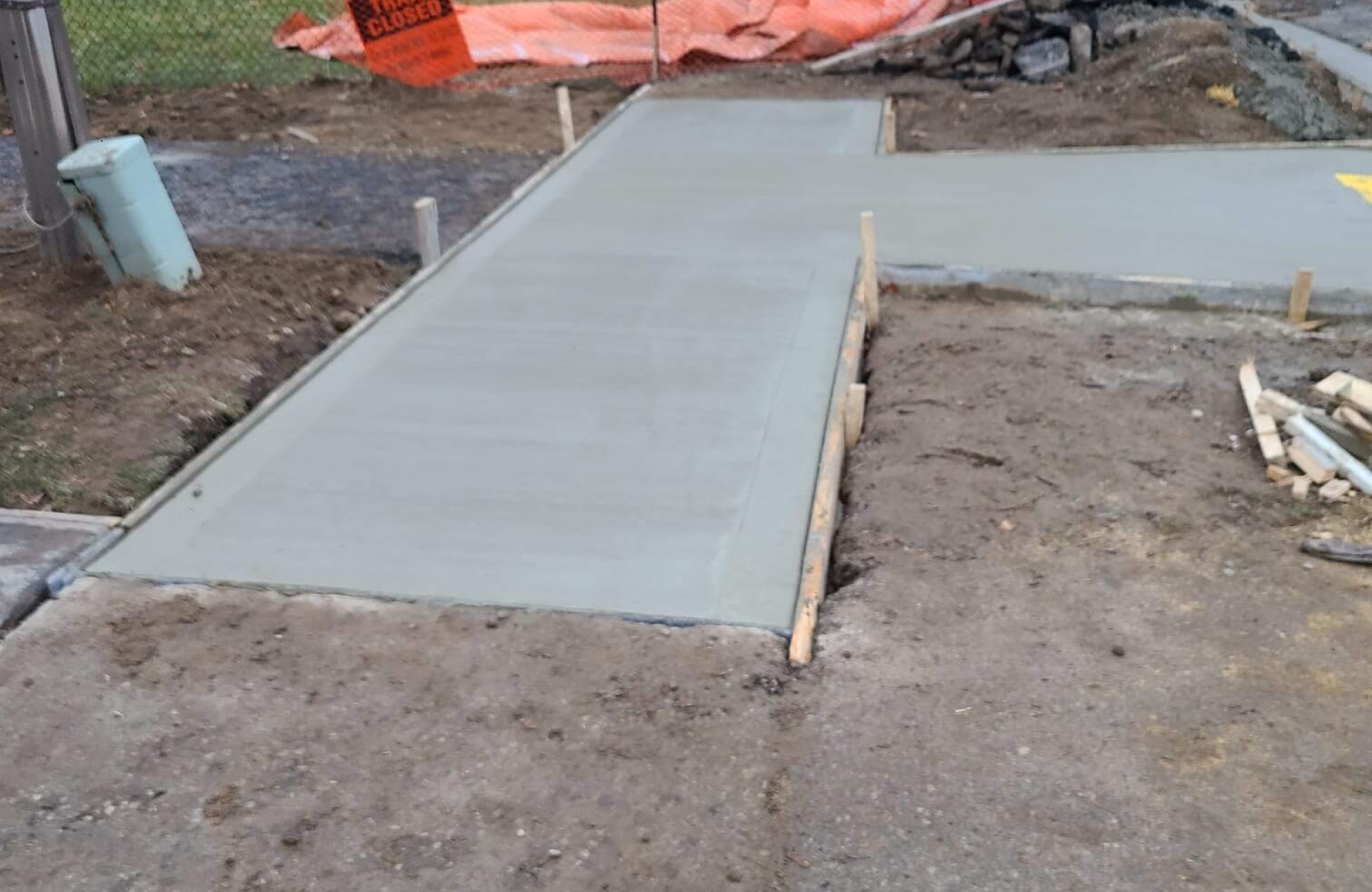
Stamped concrete is one of the most versatile tools for art in pavement design. It allows patterns, textures, and imagery to be pressed into a freshly poured concrete surface, creating durable decorative paving finishes that hold up under commercial traffic. Art in pavement design using stamped concrete can replicate stone, tile, brick, or custom geometric patterns with high precision. Seal Canada’s residential custom concrete and commercial concrete services include decorative concrete work designed to meet both aesthetic and structural performance requirements.
Coloured Asphalt
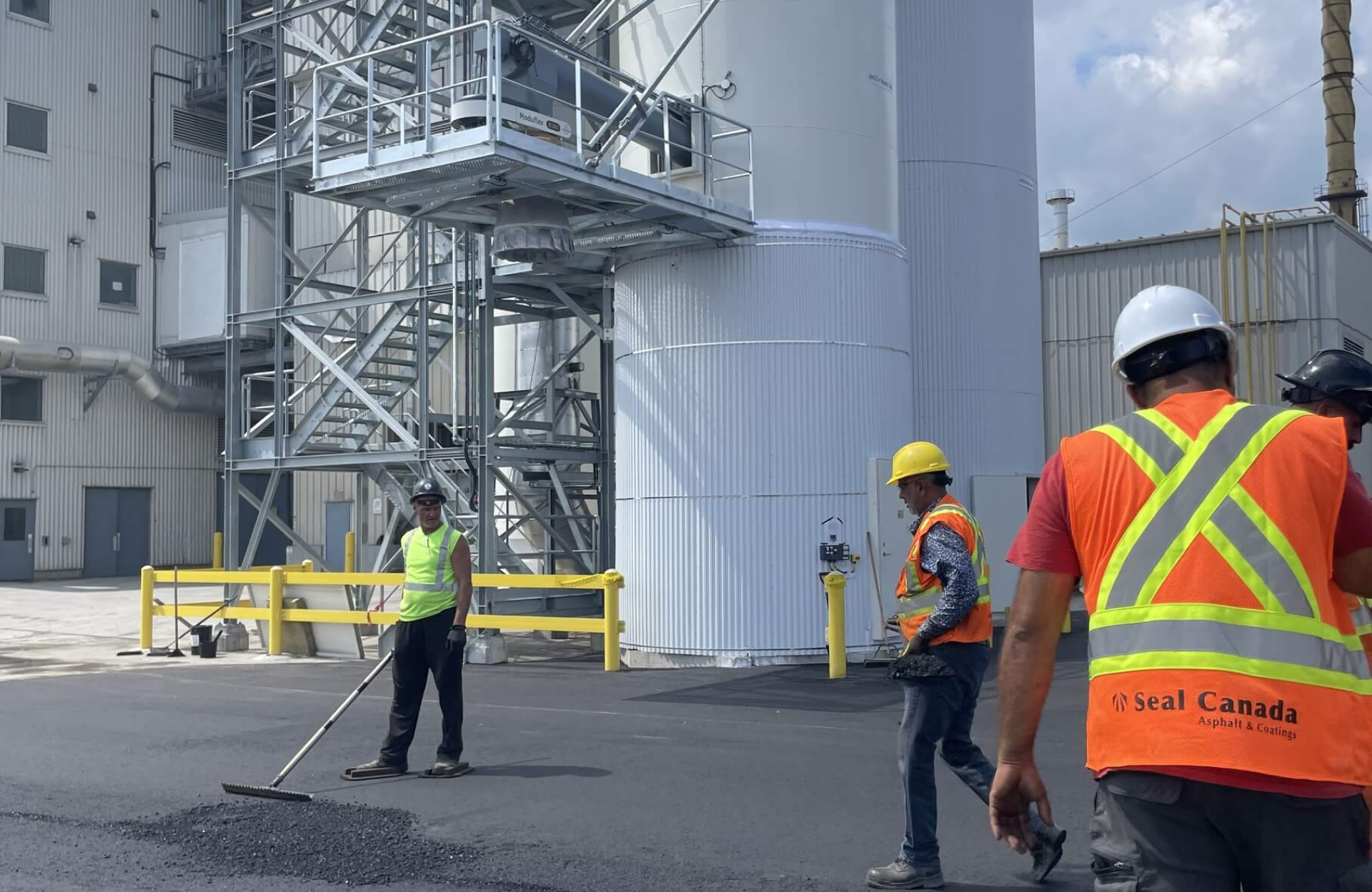
Coloured asphalt extends art in pavement design possibilities beyond standard surfaces. Pigmented asphalt binders produce surfaces in red, green, blue, and other colours, allowing pedestrian zones, cycling paths, and entry features to be distinguished visually from standard vehicle surfaces. Art in pavement design using coloured asphalt is particularly effective in mixed-use environments where clear zone delineation supports both aesthetics and safety.
Interlocking Pavers
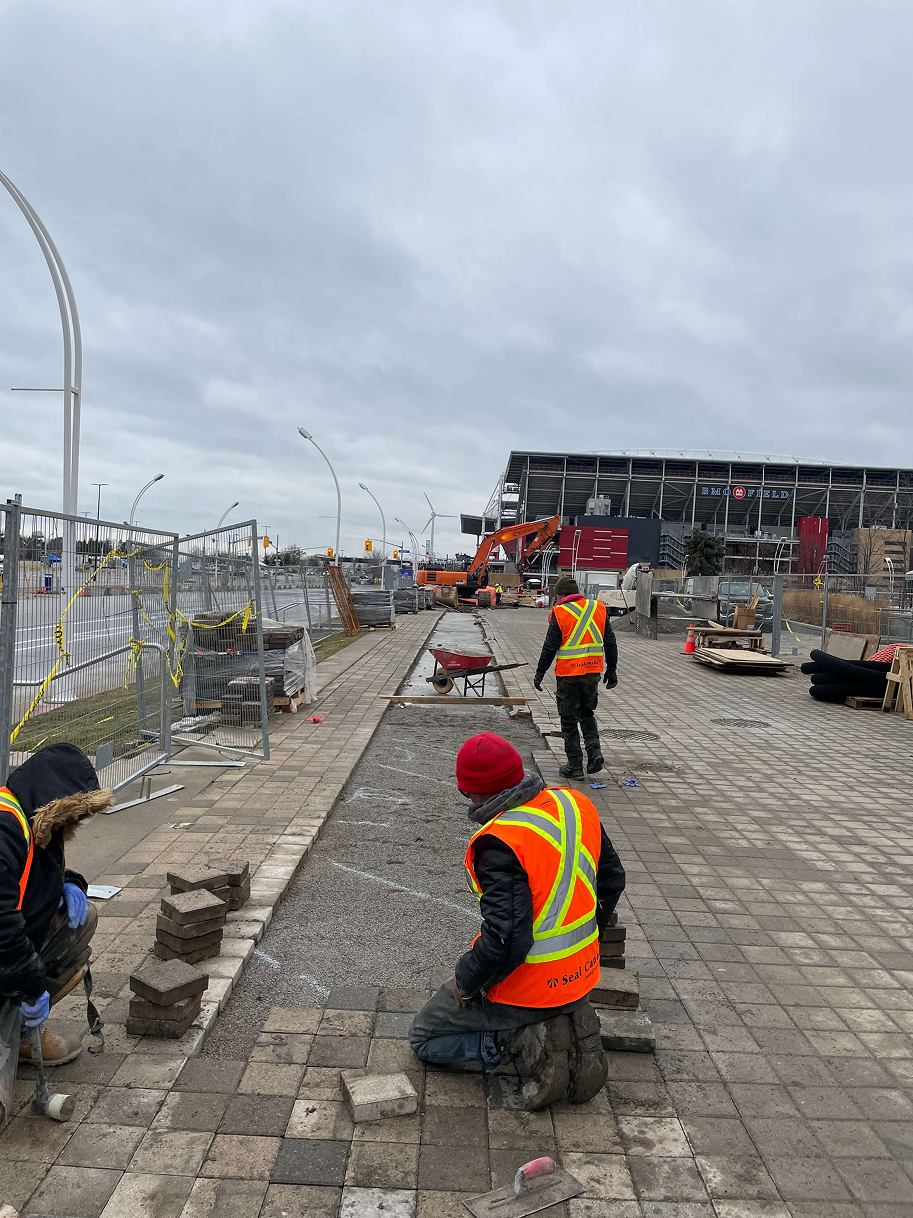
Interlocking concrete pavers offer the widest range of art in pavement design expression, with an extensive palette of colours, shapes, and laying patterns. Art in pavement design through interlocking pavers can incorporate pictorial elements, typographic features, and gradient colour transitions that are not achievable with poured concrete or coloured asphalt alone. Seal Canada’s residential interlocking services demonstrate the range of decorative paving outcomes achievable with high-quality interlocking materials.
Epoxy and Resin Surface Coatings
For interior commercial areas such as lobbies, parking structures, and retail concourses, epoxy and resin coatings bring art in pavement design into the built environment with vibrant colour and custom graphics. Surface preparation for any art in pavement design program begins with sound structural pavement. Properties with surface defects should address them through concrete sealing and asphalt maintenance before decorative paving work begins.
Cultural Integration in Art in Pavement Design
Indigenous Art and Land Acknowledgement
Across Canadian cities, art in pavement design is being used as a form of land acknowledgement and cultural recognition. Incorporating Indigenous art motifs into commercial property paving, in authentic collaboration with local Indigenous communities and artists, creates meaningful connections between the built environment and the histories it sits within.
Neighbourhood and Local History References
Art in pavement design that references local history, industry, or geographic identity creates a sense of place that generic decorative paving cannot. Commercial properties in established neighbourhoods benefit from art in pavement design that reflects the character of the surrounding area, aligning the property with the community rather than standing apart from it.
Public Art Collaboration
Many municipalities offer public art programs that support art in pavement design initiatives on commercial and mixed-use properties. The Canada Council for the Arts offers public art funding and resources that can reduce the capital cost of art in pavement design projects while connecting them with established artists and community stakeholders.
Durability Standards for Art in Pavement Design
Art in pavement design must meet the same structural and durability requirements as any commercial surface. In Canada, freeze-thaw cycling, de-icing salt exposure, and high traffic volumes are the primary durability challenges for decorative paving elements.
Key durability considerations include:
- Material selection appropriate for the traffic category and climate exposure of the site
- Surface preparation that produces a stable, well-bonded substrate for decorative treatments
- Sealant application to protect coloured surfaces, stamped concrete, and epoxy coatings from UV degradation and chemical exposure
- Maintenance scheduling that preserves the visual quality of art in pavement design elements over time
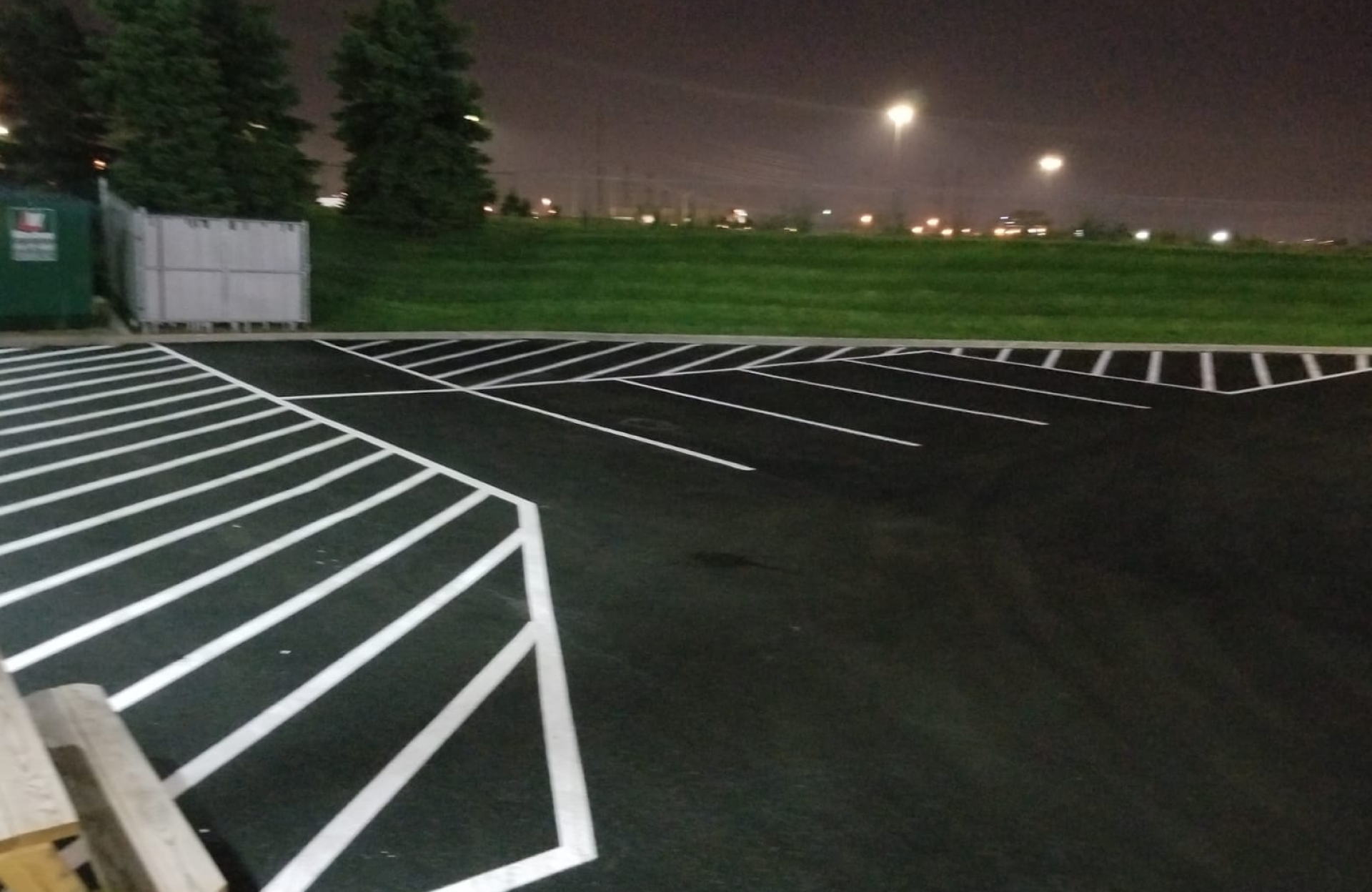
Regular asphalt sealcoating and concrete sealing are part of any responsible art in pavement design maintenance program. The Ontario Association of Architects provides design standards for commercial surfaces that inform best practice for decorative paving integration in commercial development.
Planning and Executing Art in Pavement Design Projects
Engaging the Right Partners
Successful art in pavement design requires collaboration among the property owner, an experienced paving contractor, an artist or designer with relevant experience, and where appropriate a municipal public art officer. Each party contributes something the others cannot: the artist brings cultural and visual expertise, the contractor brings material knowledge and execution capability, and the owner brings the vision and budget framework.
Budgeting for Art in Pavement Design
Art in pavement design carries a cost premium over standard paving. The premium varies significantly by material and complexity: coloured asphalt line features carry a modest premium, while large-scale stamped concrete or interlocking paver programs represent a meaningful capital investment. Budgeting for art in pavement design should account for both initial installation and the ongoing maintenance costs associated with preserving the visual quality of decorative paving surfaces.
Phasing Art in Pavement Design Programs
For larger commercial properties, art in pavement design can be phased alongside routine maintenance cycles. Feature areas, entry courts, and pedestrian pathways are logical starting points, with each phase adding surface quality and visual character to the property. Phased implementation manages capital outlay while building toward a cohesive art in pavement design vision.
Case Studies in Art in Pavement Design
Urban Retail District: Cultural Identity Through Pavement
A commercial retail district in Southern Ontario incorporated art in pavement design into a streetscape renewal project. Stamped concrete panels featuring locally referenced patterns were installed at key pedestrian nodes, and coloured asphalt defined the cycling and pedestrian corridor through the district. Foot traffic in the district increased in the 12 months following completion, with tenant surveys attributing the improvement in part to the enhanced decorative paving environment.
Corporate Campus: Brand Expression in Paved Surfaces
A corporate campus outside Toronto used art in pavement design to express brand values through the paved entry plaza and pedestrian circulation network. Interlocking pavers in the company’s colour palette defined the main approach, while abstract pattern elements carried through to secondary pathways. The art in pavement design program was completed alongside a full asphalt resurfacing, with both elements maintained under an annual sealcoating and inspection program.
Build a Commercial Surface That Makes an Impression
Art in pavement design transforms commercial surfaces from functional necessities into brand and community assets. When the decorative paving work is built on a structurally sound, professionally installed base and maintained with a consistent program of sealcoating and inspections, it delivers durable visual value alongside long-term surface performance. Seal Canada combines structural paving expertise with an understanding of what makes commercial surfaces visually compelling, and our parking lot maintenance programs protect your decorative paving investment across every season in Ontario.
Frequently Asked Questions About Art in Pavement Design
- What commercial paving materials work best for art in pavement design?
Stamped concrete, interlocking pavers, coloured asphalt, and epoxy resin coatings are the most commonly used materials for art in pavement design in commercial applications. Each offers different aesthetic possibilities and durability characteristics. The right choice for decorative paving depends on the traffic category, climate exposure, and the specific visual goals of the program.
- How durable are art in pavement design features in Canadian weather conditions?
Art in pavement design elements installed with appropriate materials and surface preparation perform reliably in Canadian climates. Freeze-thaw resistance, UV stability, and de-icing salt tolerance are the primary performance requirements for decorative paving in Canada. Regular sealant application and maintenance inspection preserve both the structural integrity and the visual quality of art in pavement design features over time.
- Can art in pavement design be phased to manage capital costs?
Yes. Art in pavement design programs can be phased across maintenance cycles, beginning with high-visibility feature areas and expanding over time. Phased implementation aligns decorative paving investment with routine maintenance expenditure and allows visual quality improvements to be delivered progressively without a single large capital outlay.
- How does art in pavement design affect commercial property value?
Art in pavement design contributes to commercial property value by differentiating the property in competitive markets, improving the visitor experience, and signalling the quality of the overall built environment. Properties with distinctive, well-maintained decorative paving elements consistently attract stronger tenant interest than comparable properties with standard surfaces.
- How is Indigenous cultural art incorporated responsibly into art in pavement design?
Responsible incorporation of Indigenous art in pavement design requires authentic engagement with local Indigenous communities and artists from the earliest planning stages. Design decisions should be made in genuine collaboration rather than through the appropriation of cultural motifs without consent or context.
- What maintenance does art in pavement design require to stay looking its best?
Art in pavement design maintenance includes regular crack sealing to prevent water infiltration, sealant application on a two-to-three year cycle for concrete and asphalt surfaces, line repainting where markings form part of the decorative paving design, and pressure washing to maintain surface clarity. A scheduled maintenance program preserves both the structural performance and the visual quality of any art in pavement design investment.
Bring Your Commercial Paving Vision to Life with Seal Canada
Whether your property needs a full surface program, targeted repairs to prepare for decorative paving work, or ongoing maintenance to protect an existing art in pavement design investment, Seal Canada delivers results that combine long-term structural performance with the aesthetic quality your property deserves.
Contact Seal Canada for a free site assessment and take the first step toward a commercial paving program that reflects the quality of your property.
Key Takeaways
- Art in pavement design transforms commercial surfaces from functional necessities into brand and community assets
- Stamped concrete, coloured asphalt, interlocking pavers, and resin coatings are the primary materials for decorative paving in commercial applications
- Cultural integration in art in pavement design requires authentic community engagement, particularly for Indigenous art references
- Durability in Canadian conditions requires appropriate material selection, surface preparation, and regular sealcoating maintenance
- Art in pavement design programs can be phased across maintenance cycles to manage capital investment
- Seal Canada provides the structural paving foundation and ongoing maintenance that art in pavement design programs depend on