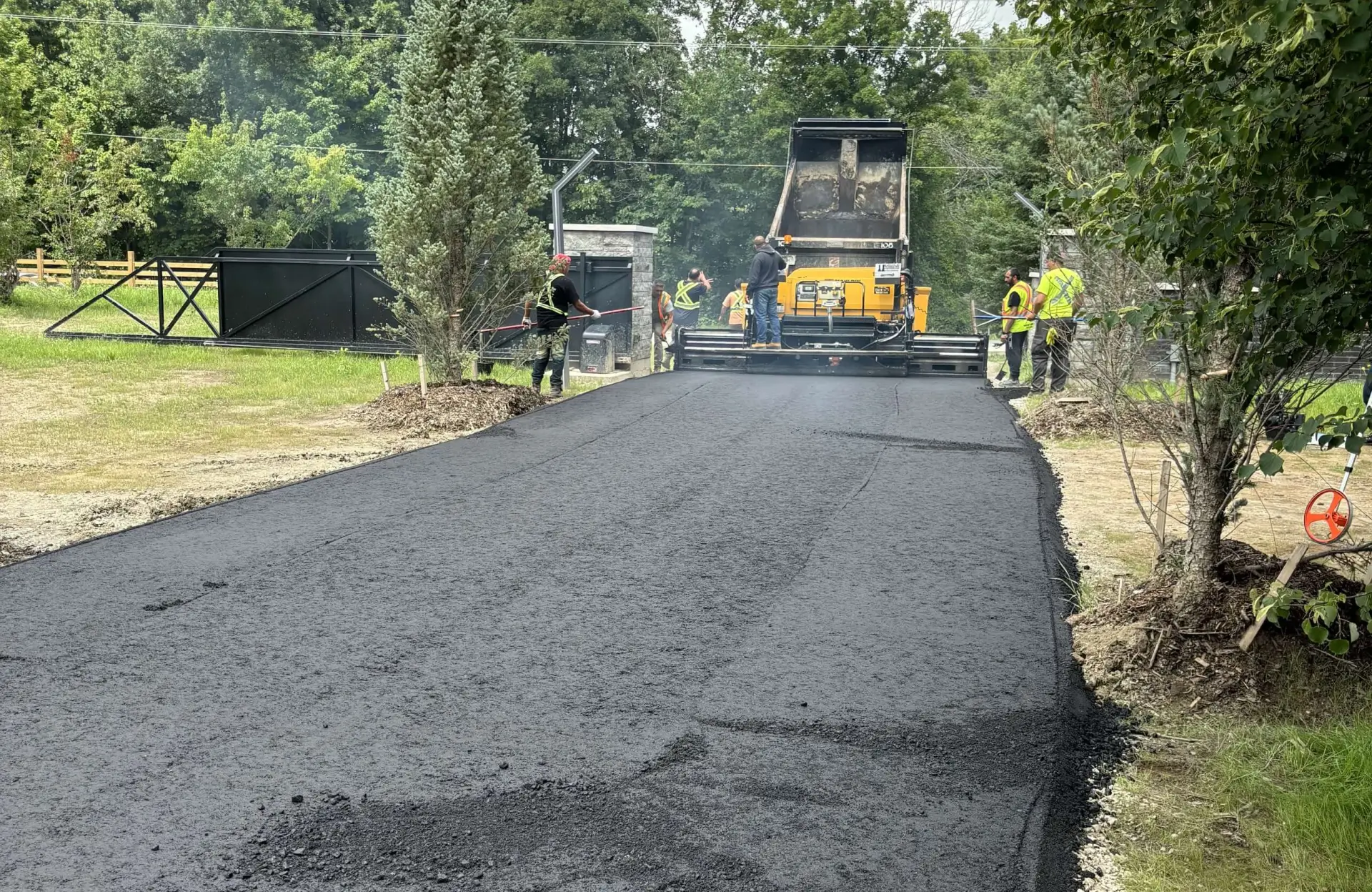
The role of nanotechnology in pavement materials is moving from research laboratories into commercial applications with measurable performance outcomes. Nanomaterial additives improve asphalt and concrete durability, moisture resistance, and longevity in ways that are directly relevant to Ontario commercial properties. Seal Canada monitors emerging pavement science closely to incorporate materials that deliver clients longer-lasting surfaces and lower total maintenance costs.
What Nanotechnology Means for Pavement Performance
Nanotechnology involves engineering materials at the molecular scale, specifically at sizes between 1 and 100 nanometers. At this scale, materials behave differently from their standard counterparts, exhibiting greater surface reactivity, improved bonding characteristics, and enhanced mechanical properties. Applied to pavement, these changes produce real-world performance improvements that show up in condition assessments years after installation.
Understanding the role of nanotechnology in pavement materials is not about abstract science. It is about what property owners and facility managers can expect from next-generation pavement formulations in terms of service life, maintenance frequency, and total lifecycle cost.
Seal Canada keeps pace with these developments as part of our commitment to commercial paving services that deliver superior long-term value for clients across Ontario.
How Nanomaterials Improve Asphalt Performance
Enhanced Durability and Resistance to Wear
Incorporating nanoparticles into asphalt binder increases resistance to rutting under heavy loads and cracking under low-temperature conditions. The role of nanotechnology in this context is to modify the binder at a molecular level, improving flexibility without sacrificing stiffness under load. Nano-modified asphalt maintains structural integrity through more annual freeze-thaw cycles, a critical performance factor in Ontario’s climate.
Improved Moisture Resistance
Water infiltration is one of the leading causes of asphalt deterioration in Ontario. Nanoparticle additives improve the hydrophobic properties of asphalt binders, reducing moisture absorption and the risk of stripping, where binder separates from aggregate under wet conditions. This is among the most commercially valuable outcomes of nanotechnology in pavement, given the volume of precipitation and melt-water Ontario surfaces manage annually.
Seal Canada’s crack sealing services address moisture infiltration on existing surfaces, complementing the moisture-resistance gains that nano-modified binders provide in new installations.
How Nanomaterials Improve Concrete Performance
The role of nanotechnology in concrete is equally significant. Nano-silica and carbon nanotube additives improve concrete compressive strength, reduce permeability, and lower susceptibility to chemical attack. In high-traffic applications such as loading dock aprons, commercial driveways, and industrial floor slabs, this means fewer surface cracks and a longer functional service life.
For Ontario commercial properties where concrete curbs, pads, and structural slabs are part of the site infrastructure, nano-modified concrete formulations represent a meaningful upgrade over standard mixes in demanding environments.
Seal Canada provides commercial concrete services and can advise on material specifications appropriate for high-performance commercial applications.
Self-Healing Pavement Materials
An emerging application of the role of nanotechnology in pavement involves nanocapsule systems embedded within the surface that release healing agents when cracks form. The capsules rupture under stress, filling and rebonding the crack before it progresses to visible surface deterioration.
Self-healing asphalt and concrete materials are primarily in research and advanced pilot phases, with limited commercial availability in select applications. The underlying technology is progressing quickly, and its implications for maintenance economics in high-traffic commercial environments are significant.
Environmental Benefits of Nano-Enhanced Pavement
The role of nanotechnology in improving pavement sustainability is closely tied to durability. Surfaces that require less frequent resurfacing and replacement consume fewer raw materials, generate less construction waste, and cause less disruption to commercial operations over their service life.
Nano-modified materials also support the circular economy goals that are increasingly relevant to corporate sustainability reporting and LEED certification applications for commercial properties.
Learn how Seal Canada incorporates sustainability into our approach: asphalt paving environmental practices.
See how asphalt sealcoating extends surface life as a complement to advanced pavement material performance.
Practical Relevance for Commercial Properties Today
While fully nano-engineered pavement mixes are not yet standard on every commercial project, the underlying science is already informing higher-performance asphalt formulations, premium sealcoating products, and improved concrete admixtures that are commercially available. Property owners undertaking resurfacing or replacement projects are able to specify formulations that draw on these advances.
If your property is due for resurfacing or pavement replacement, explore Seal Canada’s commercial paving services and discuss material specifications suited to your site conditions and performance requirements.
Seal Canada’s asphalt resurfacing services incorporate current best-practice material formulations for the Ontario commercial market.
Research and Industry Context
The National Research Council Canada has published research on advanced construction materials including nano-modified pavement formulations for Canadian climate conditions.
The Transportation Association of Canada tracks the role of nanotechnology in pavement performance as part of its ongoing road surface research program.
The American Society of Civil Engineers maintains technical literature on nanotechnology applications in pavement engineering applicable to Canadian commercial construction standards.
Frequently Asked Questions
- How does nanotechnology improve pavement materials?
Nanoparticle additives modify asphalt and concrete at the molecular level, improving strength, moisture resistance, UV resistance, and flexibility. The role of nanotechnology is to address the failure mechanisms that limit pavement service life under traffic loads and weather exposure more effectively than conventional formulations.
- What are the benefits of nano-modified asphalt?
Nano-modified asphalt resists rutting under load, moisture stripping in wet conditions, and temperature-related cracking through freeze-thaw cycles. These properties make it particularly well-suited to high-traffic commercial applications in Ontario’s variable climate, where conventional binders face repeated stress throughout the year.
- How does the role of nanotechnology reduce the environmental impact of paving?
By improving pavement durability and extending service life, nano-enhanced formulations reduce the frequency of resurfacing and replacement. Fewer construction events mean lower raw material consumption, reduced energy use, and less disruption to commercial operations over the life of the asset.
- Are self-healing pavement materials currently available for commercial use?
Self-healing materials using nanocapsule technology are in advanced research and selected pilot applications. Some formulations are commercially available in limited contexts, though widespread adoption in standard commercial paving is still emerging. Seal Canada monitors developments in this area and will incorporate proven technologies as they reach commercial viability.
- What is the future of the role of nanotechnology in pavement?
Emerging developments include advanced nanocomposite binders with combined performance benefits, energy-harvesting pavement surfaces, and materials that respond adaptively to structural stress. These innovations will continue to improve pavement efficiency, reduce lifecycle costs, and open new opportunities for sustainable commercial infrastructure.
Ready to Move Forward with Seal Canada?
Seal Canada works with commercial property owners, facility managers, and developers across Ontario to deliver pavement built for long-term performance. Whether you are planning a new installation, assessing an existing surface, or reviewing your maintenance program, our team provides straightforward recommendations backed by years of hands-on commercial experience.
Request a free site assessment at sealcanada.com/contact/ or call us directly:
Toronto: +1 (416) 827-5072 | Toll-Free: +1 (866) 672-2022
Key Takeaways
• The role of nanotechnology in pavement materials is producing measurable performance improvements in rutting resistance, moisture resistance, and freeze-thaw durability relevant to Ontario commercial properties
• Nano-modified asphalt binders address the primary failure mechanisms that limit commercial pavement service life in variable climates
• Nano-silica and carbon nanotube additives in concrete improve compressive strength, reduce permeability, and lower susceptibility to chemical attack in high-traffic applications
• Self-healing nanocapsule pavement materials are in development with strong commercial implications for maintenance economics in high-traffic settings
• Seal Canada incorporates current best-practice pavement formulations and monitors emerging nanotechnology developments to deliver clients the best performing, longest-lasting commercial surfaces in Ontario