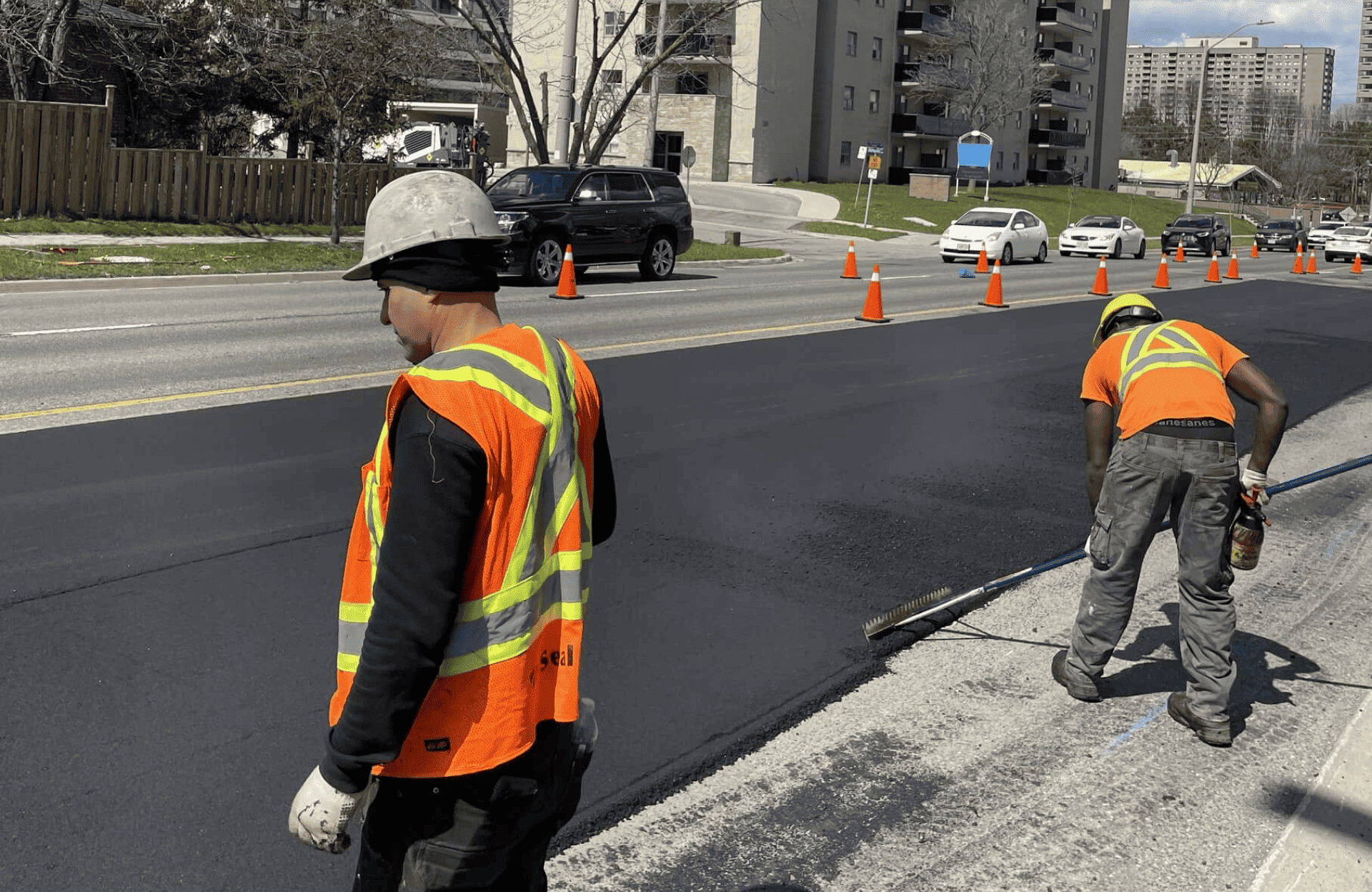
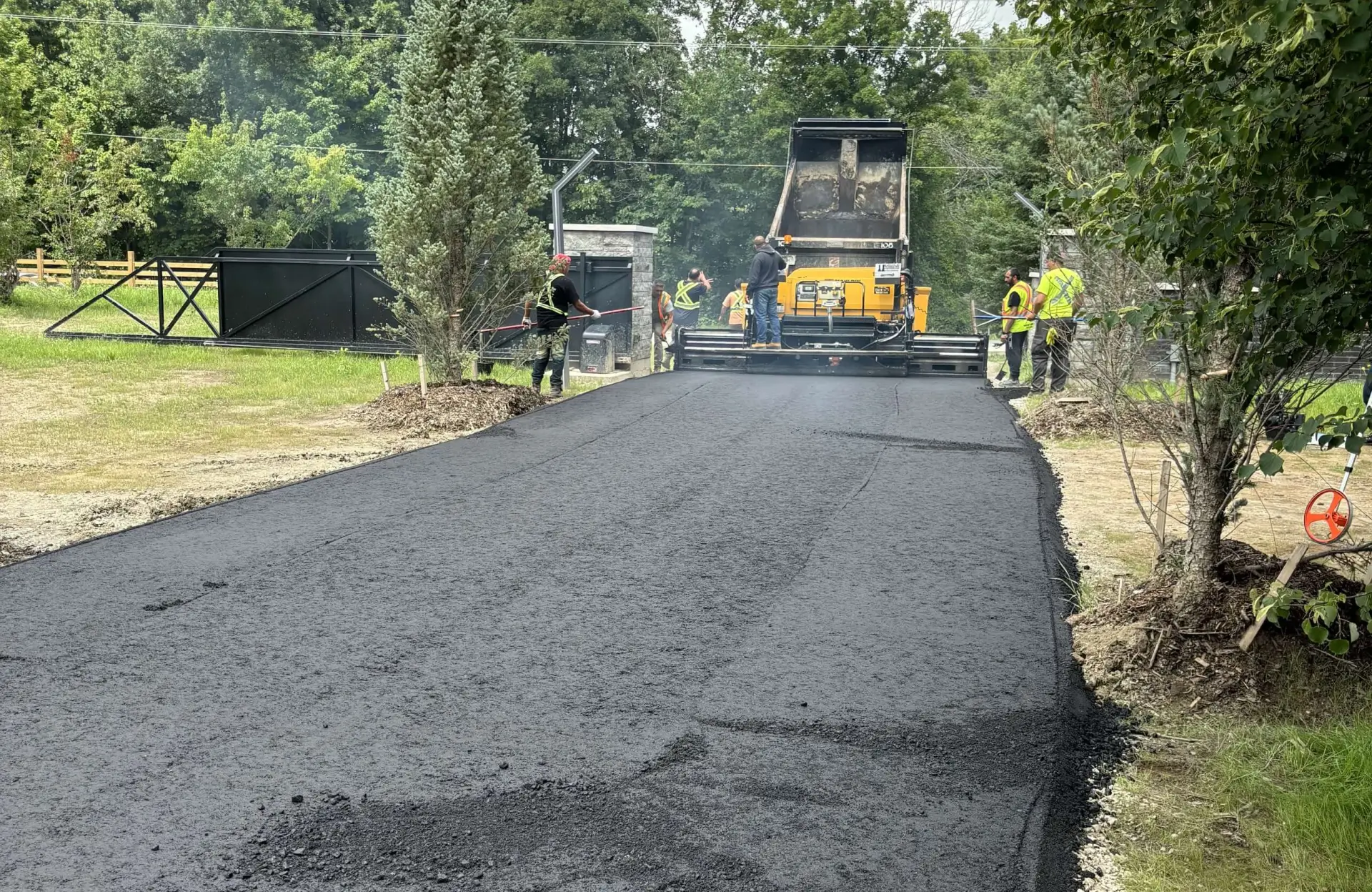
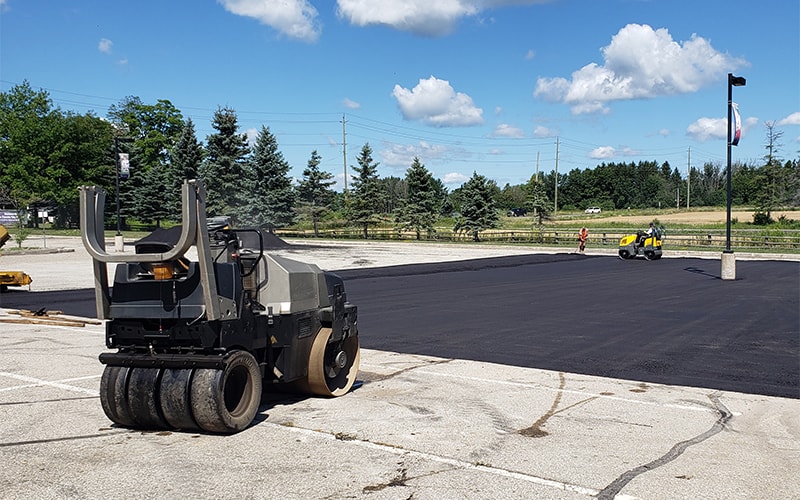
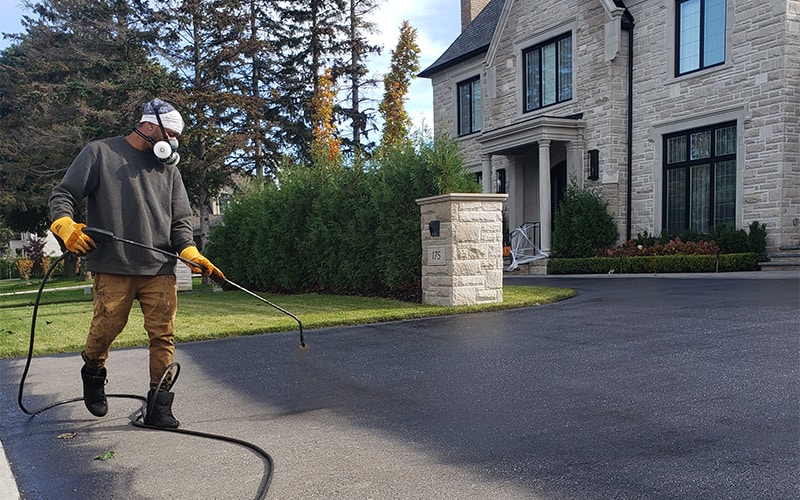
When you design parking lots for high-traffic commercial areas, every decision from circulation layout to drainage and surface specification affects business performance, safety, and long-term maintenance cost. Seal Canada works with property owners, developers, and facility managers across Ontario to plan and build commercial parking surfaces that perform under real-world demand.
Why Parking Lot Design Drives Business Performance
For commercial properties that generate significant daily traffic, retail centres, medical facilities, industrial parks, and multi-tenant office complexes, parking lot design directly affects how tenants and customers experience the property. A poorly laid-out lot creates congestion, safety hazards, and accelerated surface wear. A well-engineered lot keeps people moving efficiently, reduces liability exposure, and extends pavement life significantly.
The decision to properly design parking lots for high-traffic commercial areas is an investment in the long-term performance of the property, not simply a construction exercise.
Seal Canada’s commercial paving services include traffic circulation planning, structural pavement design, and full-service installation for new construction and major rehabilitations across Ontario.
Planning for Traffic Volume and Flow
Before a single tonne of asphalt is placed, high-traffic lots require a clear traffic circulation plan. When you design parking lots for high-traffic commercial areas, the layout must account for:
• Peak entry and exit volumes during business hours and events
• Separation of pedestrian pathways from vehicle drive lanes at every crossing point
• Dedicated turning lanes and clear sight lines at lot entrances and exits
• One-way traffic flow patterns where lot dimensions are constrained
Angled parking spaces at 45 or 60 degrees reduce required drive aisle widths compared to perpendicular layouts, accommodating more vehicles in the same footprint while improving the turning radius for standard passenger and commercial vehicles.
Structural Pavement Design for High-Load Conditions
High-traffic commercial lots require a deeper, more robust pavement structure than light-use applications. The subbase, granular base course, and asphalt layer thicknesses must be engineered for the expected vehicle types and daily traffic counts. Delivery truck routes and loading dock approaches demand particularly robust pavement sections that differ from standard passenger vehicle parking areas.
Specifying pavement structure correctly at the design stage is far more cost-effective than discovering premature failure under load. When property teams design parking lots for high-traffic commercial areas without an engineered specification, accelerated rutting and subbase failure are predictable outcomes.
Seal Canada’s asphalt resurfacing expertise also covers rehabilitation of lots where original construction was under-specified for actual traffic loads.
Drainage: The Most Overlooked Design Factor
Water is the primary driver of premature pavement failure in Ontario. High-traffic lots generate significant stormwater runoff that, when not properly directed, pools on surfaces, infiltrates through cracks, and destabilizes subgrade materials beneath the pavement structure.
Effective drainage design for high-traffic commercial lots includes:
• Minimum 1.5% cross-slope on all paved surfaces to direct runoff away from structures
• Catch basins positioned at low points and drive aisle terminations
• Perimeter berms or curbing to contain runoff and protect adjacent properties and landscaping
• Permeable paving in lower-traffic perimeter zones to reduce total runoff volume
Drainage planning is not an add-on. It must be integrated into the design when you design parking lots for high-traffic commercial areas from the beginning of the project.
Lighting and Safety Infrastructure
Adequate lighting is a non-negotiable safety requirement for commercial parking lots operating into evening hours. Solar-powered LED lighting systems reduce operating costs, eliminate the need for electrical trenching across large lot areas, and perform reliably through Ontario winters. Consistent illumination levels reduce accident risk and deter criminal activity in commercial parking environments.
Speed control measures, including painted speed reminders, speed humps in pedestrian-heavy zones, and clearly marked crosswalks, reduce the severity of incidents within the lot and demonstrate due diligence to insurers and municipal authorities.
Seal Canada’s line painting and marking services deliver durable, high-visibility markings that maintain safety performance through Ontario’s freeze-thaw cycles.
Pavement Markings for Traffic Organization
Clear, durable line markings are the primary tool for organizing traffic movement in any commercial lot. High-quality pavement marking paint applied to a properly prepared asphalt surface maintains visibility through multiple freeze-thaw cycles and resists fading from UV exposure. Faded or missing markings in a high-traffic lot create ambiguity that leads directly to accidents and liability claims.
When you design parking lots for high-traffic commercial areas, marking plans should include directional arrows, pedestrian crossings, accessible space delineation, fire route boundaries, and EV charging designations as required.
Long-Term Maintenance Planning
The highest-quality initial construction produces diminishing returns without a structured maintenance program behind it. High-traffic commercial lots typically benefit from:
• Annual condition inspections to identify early deterioration before it progresses to structural damage
• Crack sealing every two to three years: Seal Canada’s crack sealing services stop moisture infiltration at the earliest opportunity
• Sealcoating every three to five years: Seal Canada’s asphalt sealcoating restores binder protection and extends surface life
• Line repainting on a schedule tied to visual fade and seasonal wear
Learn how regular sealcoating extends commercial pavement life and how it fits into a long-term maintenance investment strategy.
Industry and Regulatory Context
The Transportation Association of Canada publishes geometric design standards relevant to commercial parking lot layout and traffic flow planning.
Infrastructure Ontario Infrastructure Ontario provides guidance on commercial site development standards applicable to large parking lot projects in the province.
The Canada Green Building Council documents how permeable paving and solar lighting in parking lot design contribute to LEED certification credits for commercial properties.
Frequently Asked Questions
- How can solar lighting improve a commercial parking lot design?
Solar-powered LED fixtures reduce energy costs, eliminate the need for electrical trenching in many applications, and deliver reliable, consistent illumination that improves safety and security. For properties looking to design parking lots for high-traffic commercial areas with sustainable infrastructure, solar lighting is one of the strongest early investments.
- What is permeable paving and why does it matter in high-traffic lots?
Permeable paving allows rainwater to infiltrate through the surface, reducing stormwater runoff and lowering the risk of pooling and pavement damage. It is particularly valuable at lot perimeters and lower-traffic zones in stormwater-sensitive commercial developments, and contributes to municipal compliance for new construction.
- What strategies maximize vehicle capacity in a high-traffic parking lot?
Angled parking layouts, one-way circulation patterns, and clear wayfinding markings improve vehicle capacity within a fixed footprint. Efficient aisle widths reduce congestion, and multi-level structures are an option where land constraints make surface expansion impractical.
- How does safety factor into parking lot design for commercial areas?
Safety-focused design includes designated pedestrian pathways, speed control measures, adequate lighting, and clearly maintained pavement markings. When you design parking lots for high-traffic commercial areas with these elements integrated from the outset, the result is both a lower accident rate and reduced liability exposure for the property owner.
- How often does a high-traffic commercial lot need maintenance?
High-traffic lots typically require crack sealing every two to three years, sealcoating every three to five years, and line repainting on a schedule tied to visual fade. Annual condition inspections allow proactive planning and prevent reactive emergency repairs that cost significantly more than scheduled maintenance.
Ready to Move Forward with Seal Canada?
Seal Canada works with commercial property owners, facility managers, and developers across Ontario to deliver pavement built for long-term performance. Whether you are planning a new installation, assessing an existing surface, or reviewing your maintenance program, our team provides straightforward recommendations backed by years of hands-on commercial experience.
Request a free site assessment at sealcanada.com/contact/ or call us directly:
Toronto: +1 (416) 827-5072 | Toll-Free: +1 (866) 672-2022
Key Takeaways
• To design parking lots for high-traffic commercial areas effectively, traffic circulation, drainage, structural specification, and lighting must all be addressed as an integrated system
• Drainage planning is the most commonly overlooked factor in commercial lot design and the primary driver of premature pavement failure
• Angled parking layouts and one-way flow patterns improve capacity and safety within constrained footprints
• Solar-powered LED lighting reduces operating costs while meeting the safety and security requirements of commercial properties operating into evening hours
Seal Canada delivers commercial parking lot design, paving, and structured long-term maintenance across Ontario